
24/7 全天候客户支持

免费退货

当日/次日达

品质保障

开启新人专享福利: 全场免邮 | 低至 2 折 | 免费试用 30 天 JoyPlus 会员
下载 Joybuy
Struggling to eat enough calories for a bulk? A mass gainer powder can make daily protein and carbohydrate intake more convenient, particularly around work, training and commuting. However, not every weight gain powder suits every person.
Large serving sizes, high sugar content and unclear allergen information can turn an appealing bulking supplement into an expensive product that is difficult to use consistently. The sensible approach is to compare the nutrition panel, ingredient list, serving size and dietary suitability before buying.
A high-calorie mass gainer may appear attractive, but calories alone do not show how the product fits your diet. Check the balance between protein, carbohydrates, sugars and fat. A product with a very large serving may also be difficult to digest or unnecessary if you only need a modest calorie increase.
Nutrition figures can look very different depending on the serving used. For example, some formulas provide approximately 452–566 kcal per serving, while others list more than 900 kcal or 1,250 kcal. Always compare products using the stated serving size and calculate how many servings the pack contains.
Creatine, amino acids, digestive enzymes, probiotics and vitamin blends may be useful features, but they do not replace a structured diet and resistance-training plan. A creatine mass gainer should be assessed by the amount included per serving, not simply by the word “creatine” on the front of the packaging.
Choose the calorie level according to the gap in your existing diet. A high-calorie mass gainer may be practical for hard gainers who regularly struggle to eat enough, while a lower-calorie serving can be easier to add between meals.
Protein and carbohydrate figures are equally important. Applied Nutrition Critical Mass Professional provides 42g protein and 74.7g carbohydrate per 150g serving, with 566 kcal. Applied Nutrition Beef-XP provides 42g protein and 70g carbohydrate per 125g serving, with approximately 452–454 kcal. These figures make both products a protein and carbohydrate powder option for users seeking a more measured calorie increase.
By comparison, the Applied Nutrition Critical Mass Original range lists 54.9g protein and 153.8g carbohydrate per 240g serving, providing 917 kcal. Optimum Nutrition Serious Mass lists 50g protein and 252g carbohydrate per 334g serving, providing 1,250 kcal. These larger portions may suit heavy bulking phases, but they require careful planning.
Check whether the formula uses whey, milk protein, casein, egg albumen or beef protein isolate. Applied Nutrition Beef-XP is a dairy-free mass gainer made with beef protein isolate and is listed as free from dairy, gluten and soy. It is also listed as Halal certified, although shoppers should confirm the current packaging and certification details before purchase.
Critical Mass Original and Critical Mass Professional contain milk, and several products also contain oats, wheat, soy or egg. Anyone with an allergy or intolerance should read the full ingredients and allergen statement rather than relying on flavour or front-of-pack wording.
A 6kg pack can offer a practical long-term supply for frequent users, but it takes more storage space and represents a larger upfront purchase. A 2.4kg or 3.13kg pack may be more suitable if you are trying a flavour or formula for the first time.
Mixing instructions also matter. Critical Mass Professional products generally use 150g with around 500ml of water or skimmed milk. Original formulas may use 240g with 500–1,000ml. Use scales where recommended, as scoop sizes are estimates and inaccurate portions can alter your calorie intake considerably.
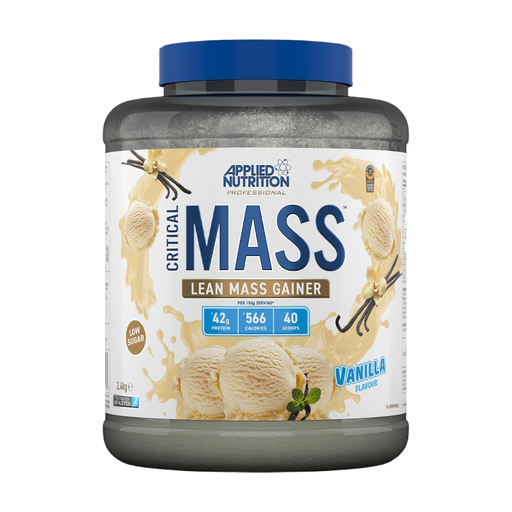
Why This Fits Their Persona: The 2.4kg pack provides a manageable entry point for UK gym-goers who want to try a lean mass gainer without committing to a bulk pack. Vanilla can also be mixed with water, milk or added to a breakfast shake.
The nutrition panel states 566 kcal, 42g protein and 74.7g carbohydrate per 150g serving, making portion planning clearer than relying on marketing language alone.
Includes creatine monohydrate, leucine, glutamine peptides, digestive enzymes and LactoSpore. Contains milk, oats, wheat and soy.
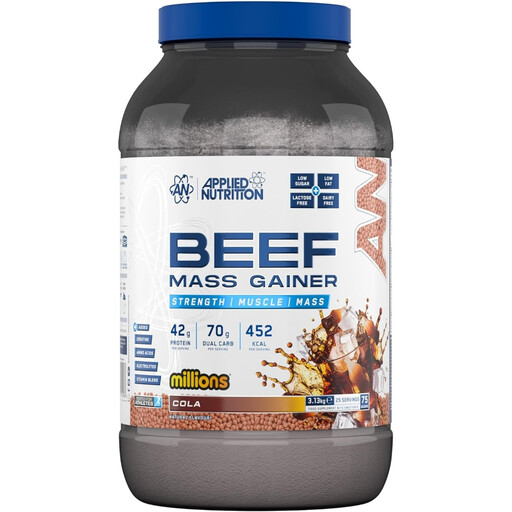
Why This Fits Their Persona: This suits adults seeking a dairy-free and Halal mass gainer for post-workout use, particularly when whey-based products do not fit their dietary preferences.
The listed formula clearly identifies beef protein isolate and states that it is dairy, gluten and soy free, with approximately 0.7g sugar per 125g serving.
Provides 452 kcal, 42.3g protein and 70g carbohydrate, plus creatine, EAAs and electrolytes. Listed as Halal certified and Informed-Sport tested.
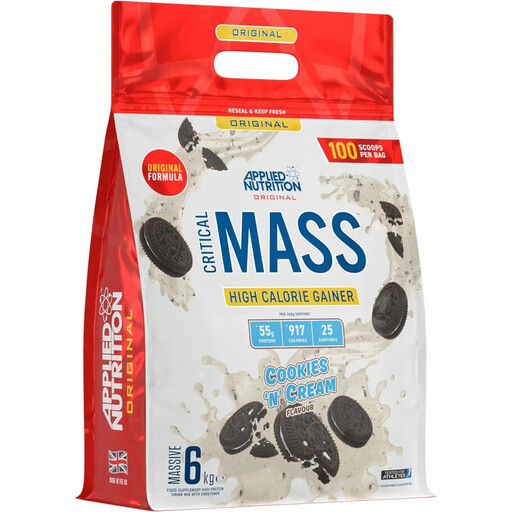
Why This Fits Their Persona: The 6kg pack is designed for frequent users who already know they need a substantial daily calorie increase during a prolonged bulking or strength-training routine.
The stated 240g serving shows exactly why this is a heavy-use formula: 917 kcal, 54.9g protein and 153.8g carbohydrate. Users can adjust intake within the label guidance.
Uses whey protein concentrate, whey isolate, calcium caseinate and egg albumen, with MCT powder, inulin and L-glutamine. Contains milk and egg.
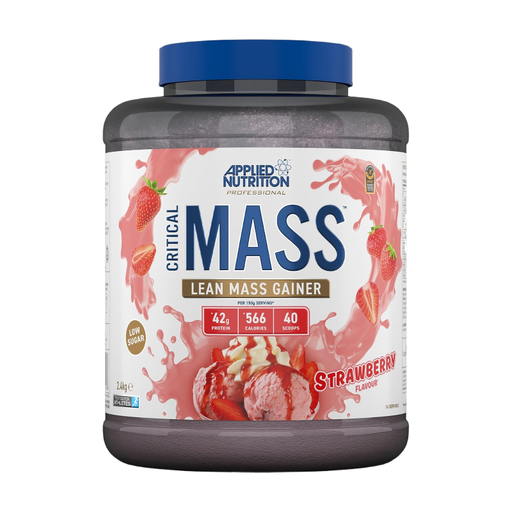
Why This Fits Their Persona: A practical match for athletes and strength-training adults who want a post-workout recovery supplement with several added performance-focused ingredients in a smaller pack.
The label quantifies the additions, including 3g creatine monohydrate, 5g leucine, 2g HMB and 5g glutamine peptides per 150g serving.
Supplies 566 kcal, 42g protein and 74.7g carbohydrate, with DigeZyme and LactoSpore. Contains milk, oats, wheat and soy.
We have compiled a complete, real-time list of products that fully satisfy these strict selection criteria and UK safety regulations.
Start with the serving guidance on the label and adjust only according to your overall food intake and training demands. Many users prefer taking a shake between meals or after training rather than replacing every regular meal. Mix with water for a lighter drink, or milk if additional calories and a creamier texture fit your plan.
Food supplements should not replace a varied, balanced diet. Products in this category are generally intended for adults aged 18 and over. Check warnings before use, especially if you are pregnant, breastfeeding, taking medication or managing a medical condition. Stop use if discomfort occurs and seek appropriate healthcare advice.
It can be convenient for adults who struggle to meet calorie and protein targets through food. Beginners should usually start with a manageable portion and monitor total daily intake rather than automatically using the largest serving.
Some products provide instructions for daily use, but the correct amount depends on your diet, training and the product label. Do not exceed the recommended daily serving, and store the opened pack in a cool, dry place away from direct sunlight.
The answer depends on serving size, pack price and how much of the product you use. Compare the cost per serving and the amount of protein and carbohydrate provided. A bulk 6kg pack may suit regular users, while a smaller pack can reduce waste when testing a new flavour or formula.