
24/7 Customer Support

Free returns

Same-day & Next-day Delivery

Quality Guaranteed

Unlock Your Welcome Offers: FREE Delivery | Up to 80% OFF | Free 30-day JoyPlus trial
Download the APP
Master Kong instant noodles are popular with UK shoppers looking for quick Chinese meals, student cupboard essentials or a convenient way to explore Asian groceries. However, choosing by colourful packaging alone can lead to the wrong flavour, an unsuitable format or an unpleasant allergen surprise.
This guide explains what to check before buying Master Kong noodles, from pack size and cooking style to seasoning intensity and ingredient labels.
Terms such as spicy beef, golden broth beef, hot and sour beef noodles and pickled cabbage noodles describe very different eating experiences. “Spicy” may refer to chilli heat, peppercorn aroma or simply a strongly seasoned soup. If you prefer tangy flavours, a hot and sour beef option may suit you more than a straightforward spicy beef packet.
Likewise, golden broth products often combine sourness, chilli and savoury seasoning. They are not necessarily mild beef soups.
An instant noodles 5-pack may contain 100g portions, 104g portions, 110g portions or larger 117g servings. Big bowl instant noodles and bucket formats can be considerably larger, such as the 143g big bucket option, making them more suitable for a substantial meal but less convenient for small cupboards or light appetites.
Check the net quantity per pack, not just the number of servings shown on the front.
Many Chinese instant noodles contain wheat, soybeans and sesame. Some products may also contain fish, celery, egg, milk or potential crustacean traces. UK shoppers with allergies should read the current packaging before purchase, even if a previous packet appeared suitable.
Seasoning sachets can also vary significantly in salt and chilli content. You can use only part of the sauce or powder, but this changes the intended flavour and does not remove the need to check the ingredients.
For regular cupboard stocking, 5-pack bags are practical because each serving is individually wrapped. Common formats include:
A pan-cooked packet usually requires around 500ml of water and takes approximately three to five minutes. Bucket noodles generally need boiling water added to the fill line, followed by a covered steeping period.
Check whether the product includes separate sauce, powder, vinegar and vegetable packets. A hot and sour beef product with a vinegar sachet offers more control over tanginess, while a braised beef noodles pack normally focuses on soy sauce, spices and a savoury broth.
For a gentler option, chicken mushroom noodles provide mushroom seasoning and dehydrated vegetables rather than a pronounced chilli profile. Seafood flavour instant noodles may contain fish-derived ingredients or warnings for crustaceans and shellfish, so the allergen panel deserves particular attention.
Use the per 100g nutritional panel to compare products consistently. For example, the listed hot and sour beef 5-pack provides 323 kcal and 2.60g salt per 100g, while the golden broth beef 5-pack lists 5.5g salt per 100g. These figures are not directly comparable with a finished bowl unless you account for the full portion and preparation method.
Ingredients and best-before information can change between batches or imported shipments. Always use the physical UK label as the final reference, particularly for allergens, preparation instructions and storage.
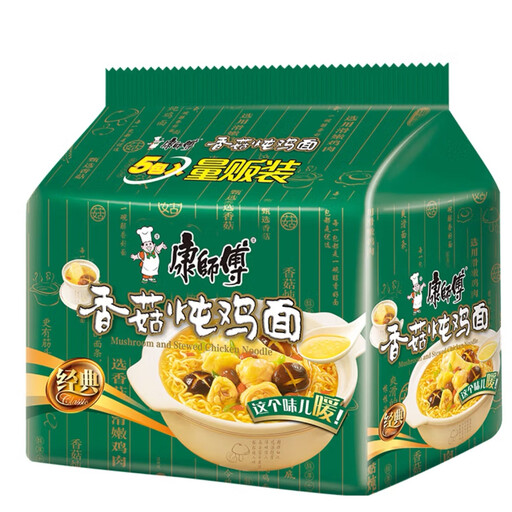
Why This Fits Their Persona: A familiar 5-pack format suits students, first-time buyers and shoppers building an Asian grocery cupboard without committing to larger bowls.
The chicken mushroom profile avoids choosing a chilli-heavy product based only on generic “beef” or “spicy” wording. The listed allergens are wheat, soybeans and sesame.
Five 100g portions; includes sauce, seasoning and vegetable packets with mushroom and cabbage.

Why This Fits Their Persona: Suitable for shoppers seeking a more layered soup experience, with sour, spicy and savoury notes plus a larger 120g portion.
The listing clearly specifies the 600g total weight, five 120g bags and preparation method, rather than relying only on a “large” pack description.
Includes soup base, sauce and vegetable packets; listed allergens include wheat, soybeans, fish, sesame and celery.

Why This Fits Their Persona: The larger bucket format suits busy professionals, late study sessions, workplaces and anyone wanting a more substantial single serving with minimal washing up.
The 143g net quantity is stated clearly, helping avoid mistaking a standard small packet for a larger meal format. It does contain wheat, sesame, soy and egg.
Extra-large noodle block; add boiling water to the fill line and steep for approximately four to five minutes.
We have compiled a complete, real-time list of products that fully satisfy these strict selection criteria and UK safety regulations.
Follow the packet instructions rather than assuming all Master Kong noodles cook identically. Most bagged products require boiling in a pan, while bucket noodles are prepared in the container. Add sachets after cooking where instructed, and adjust water or seasoning only if the product directions allow it.
Store unopened noodles in a cool, dry place away from direct sunlight and humidity. Check the best-before date when buying multiple packs, especially if you are stocking up for university, an office or a family cupboard.
Yes. Most listed bag formats take around three to five minutes to cook, while bucket varieties need boiling water and a short steeping period. They are convenient for quick Chinese meals, but should be prepared fully according to the product instructions.
Chicken mushroom noodles or selected spicy beef and braised beef noodles may be more appropriate than seafood flavour instant noodles, but suitability depends on the exact label. Always check the current allergen statement for fish, crustaceans, molluscs and possible cross-contamination warnings.
The shelf life depends on the batch and packaging. Keep each product dry and sealed, then check the printed best-before date before use. Once prepared, consume promptly rather than storing a cooked bowl for later.