Hosts planning around 240 drinks
Start with a count you can use: sachets, tea bags or the supplier’s stated powder servings. Then check how each drink will be made and whether the serving window leaves time for that method.


For around 240 afternoon-tea drinks, choose the format before choosing the pack count: individual latte sachets simplify portioning, pure matcha powder needs measuring and mixing, and tea bags make self-service possible but may contain mostly another green tea. World Food Shop listed an exact 240-sachet Gold Kili latte case as sold out when checked in October 2026; Nisbets listed a PerfectTed pouch stated to make 250 servings, while twelve 20-bag boxes of Clearspring Matcha Sencha would provide 240 tea bags. Check the live pack’s ingredients, preparation directions and availability before committing to a menu.
The number of drinks matters, but so does whether guests will prepare their own tea or a team will make each cup.
Start with a count you can use: sachets, tea bags or the supplier’s stated powder servings. Then check how each drink will be made and whether the serving window leaves time for that method.
Individually portioned products can simplify counting; powder calls for a consistent measuring and mixing routine. If the event is run as a food business, check the applicable registration and food-service duties before serving.
Read the ingredient list before calling a drink pure matcha. Clearspring, for example, lists its Matcha Sencha tea bags as 97.5% sencha and 2.5% matcha, while its Premium Matcha powder lists matcha as the sole ingredient.
Decide what sort of drink you intend to serve, then check the portion count and preparation method against the number of guests.
Choose when: Pre-portioned drinks and a simple serving routine matter more than using plain matcha.
Trade-off: Check the latte mix’s ingredients and availability. World Food Shop’s 240-sachet Gold Kili case was listed as sold out in October 2026.
Choose when: The menu calls for a powder-based matcha drink and staff can measure and mix each portion.
Trade-off: A stated serving count is not a box of ready-portioned drinks. Nisbets listed a 250g PerfectTed pouch as 100% pure matcha with 250 servings.
Choose when: Guests can steep their own tea and a green-tea blend suits the menu.
Trade-off: Twelve Clearspring 20-bag boxes make 240 tea bags, not one catering box or 240 cups of pure matcha.
| Priority | What to check | Your needs |
|---|---|---|
| Portion count | Check the stated sachets, bags or powder servings per pack; multiply retail pack counts where needed. Confirm that the preparation directions describe the drink size you plan to serve. | I need enough portions for roughly 240 drinks without treating the pack’s gram weight as a cup count. |
| Drink type | Read the ingredient list for pure matcha, a green-tea blend or a formulated latte. For a blend, check how much matcha it contains. | If the menu says pure matcha, a sencha-led tea bag or an instant latte mix is a different drink. |
| Preparation | Check the water and mixing directions, equipment and work needed per drink. Decide whether guests or staff will prepare it. | I want a serving method the team can manage during the afternoon-tea service, rather than a portion count that works only on paper. |
| Guest information | Keep the final pack’s ingredients, allergen information and caffeine details available. Check the precise latte mix or blend selected, not just its name. | Guests may ask what is in the drink, so I need information for the products actually served. |
A tea bag, instant latte and powdered matcha can have different ingredients and preparation methods. Clearspring lists its Matcha Sencha bags as 97.5% sencha and 2.5% matcha.
Check the ingredient panel before naming the drink on a menu or ordering portions for guests.
An exact count does not help an event if the case cannot be supplied in time. World Food Shop listed its 240-sachet Gold Kili latte case as sold out when checked in October 2026.
Check the live listing and delivery timing before committing to that format; keep another suitable serving plan in mind.
Clearspring Matcha Sencha contains 20 bags per box, according to Clearspring. Reaching 240 bags therefore takes twelve boxes.
Calculate the total from the count on the exact pack you intend to order, and distinguish individual tea bags from finished drinks.
Ingredient lists differ between pure powder, tea blends and latte mixes. Caffeine is also relevant when guests ask about it; NHS guidance sets a daily caffeine limit of 200mg during pregnancy.
Keep the final packaging or its ingredient information at the serving station, and check the selected product’s caffeine and allergen details before describing it to guests.
These brand references illustrate different formats; they do not establish that a particular pack will be available for your event.
Clearspring lists both Matcha Sencha tea bags and Premium Matcha powder.
JING gives per-cup preparation directions for its ceremonial matcha powder.
PerfectTed’s range includes powders and other matcha drink formats; Nisbets listed a 250g pure-matcha pouch stated to provide 250 servings.
Teapigs has a matcha category. For a 240-drink plan, assess an individual product by its format, ingredient list and stated pack count.
These are smaller Joybuy packs across sachet, latte, tea-bag and powder formats. Use each pack’s stated count and the final preparation directions to plan a larger afternoon-tea service; none is presented here as a single 240-serving box.
 No image available
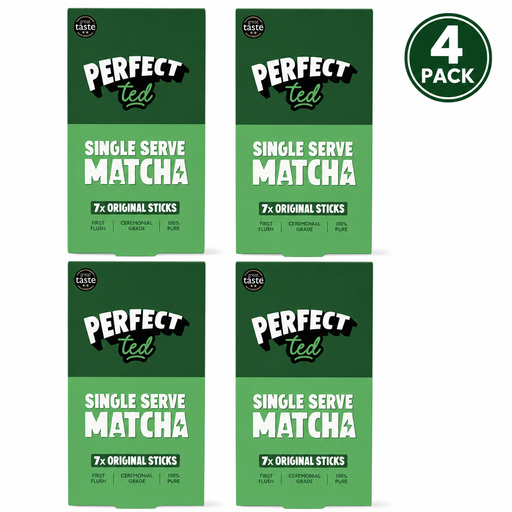
Individually portioned powder may suit a service where counting portions matters. Four packs of seven provide 28 sachets; check the pack’s preparation directions and liquid amount before planning the finished drinks.
 No image available
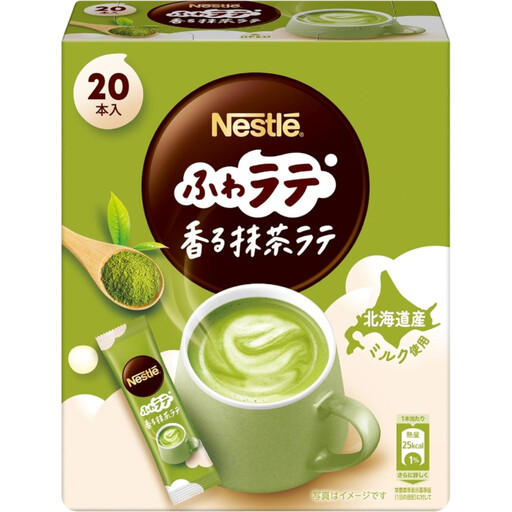
This 20-piece latte pack offers a countable option if a prepared latte-style drink suits the menu. Check the final pack’s ingredients, allergens and mixing directions before serving; one pack is well short of 240 portions.
 No image available
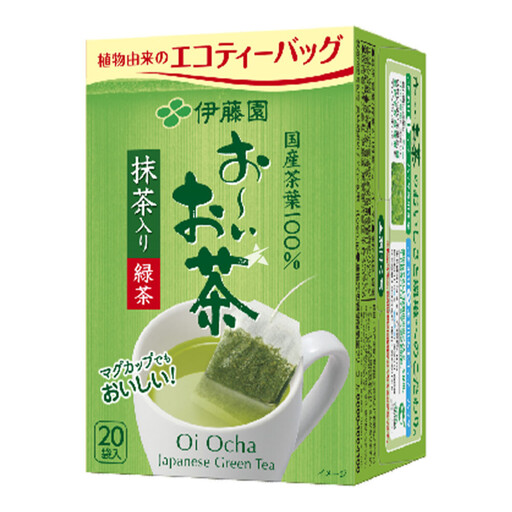
Tea bags are an option where guests will make their own green tea with matcha. Twelve 20-bag boxes would provide 240 bags; check the pack for the matcha proportion and brewing directions before describing or serving the drink.
 No image available
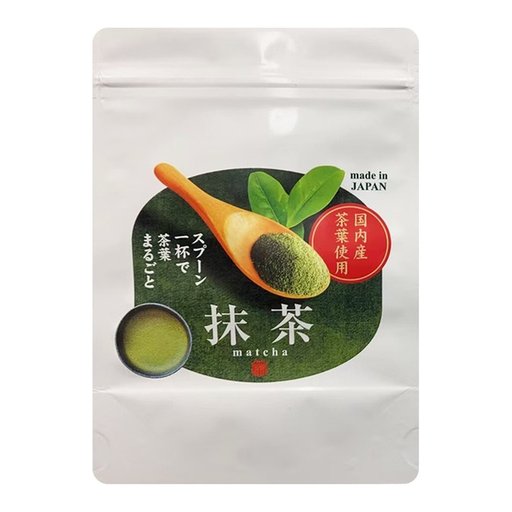
This powder format suits a service prepared by measuring each drink rather than counting tea bags. Its 40g pack is not a stated 240-serving format; use the final pack’s dose and preparation directions to work out quantities, and check its label for guest ingredient queries.
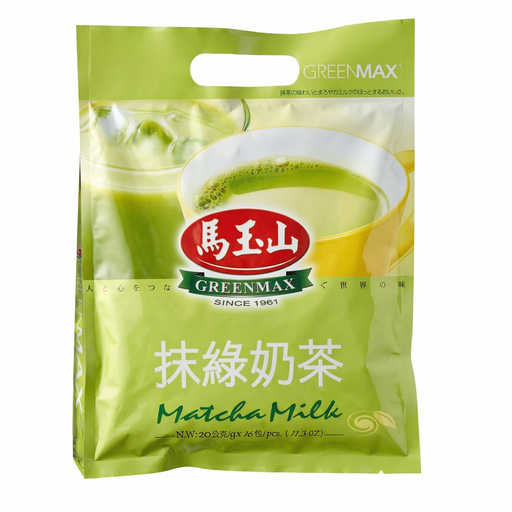 No image available
This 16-count matcha milk pack is a different menu choice from plain matcha powder or tea bags. Check the exact pack’s ingredients, allergen information and mixing directions, and calculate the number of packs needed for the planned service.
Use the count stated for the exact product and its preparation directions. Twelve 20-bag boxes provide 240 tea bags; Nisbets listed a PerfectTed 250g pouch as 250 powder servings. A stated powder serving or tea bag still needs to match the drink you intend to serve.
Not necessarily. Clearspring lists its Matcha Sencha bags as 97.5% sencha leaves and 2.5% matcha powder, while its Premium Matcha powder lists matcha as the sole ingredient. Check the ingredients of the exact product before describing it on a menu.
Allow for the method stated on the chosen pack, as well as the number of portions. For example, JING specifies 1.5g per 160ml cup and shaking or whisking for 30 seconds for its ceremonial matcha; making many cups that way takes repeated preparation. Tea bags and latte mixes have their own directions and should not be treated as interchangeable.
Keep the final product’s ingredient and allergen information available, particularly when serving a formulated latte rather than plain powder. Check its caffeine details too: NHS pregnancy guidance sets a daily caffeine limit of 200mg, and a product name alone cannot tell a guest how much caffeine their prepared drink contains.
GOV.UK and Food Standards Agency food-business guidance states that running a food business requires registration with the local authority. If the afternoon tea is a commercial food service and you are unsure how the requirement applies to your operation, check with the relevant local authority.