Office or event organiser
For roughly 240 attendees, decide whether people will make their own hot-water infusions or staff will prepare drinks from powder. The choice changes how portions and service time need to be planned.


For around 240 prepared matcha drinks, bulk powder is worth considering if staff can measure and mix each serving; confirm the supplier’s recipe and yield before ordering. For hot-water self-service, matcha-green-tea bags are simpler to hand out, but the Clearspring and Pukka examples come in 20-bag packs and contain 2.5% and 2% matcha respectively. A 240-count ordinary tea carton is not a substitute for either format.
For roughly 240 attendees, decide whether people will make their own hot-water infusions or staff will prepare drinks from powder. The choice changes how portions and service time need to be planned.
A prepared-drinks station calls for a repeatable recipe, an ingredient declaration and storage instructions. Check the yield against the portion size you intend to serve.
Matcha-green-tea bags allow individual brewing, but a blend containing matcha is different from a drink prepared with pure matcha powder. Read the ingredient list before describing it on a menu.
Choose the drink format first, then calculate quantities using the exact pack count or your tested powder recipe—not the word “matcha” or a 240 count alone.
| Priority | What to check | Your needs |
|---|---|---|
| Portion count | Check bags per box or the powder supplier’s stated yield. Heapwell states 350 servings for its 1 kg pack; confirm the dose behind that claim for your recipe. | I need enough for around 240 drinks, allowing separately for any refills. If using one bag per person, twelve 20-bag boxes provide 240 bags. |
| Preparation | Check whether staff can measure and mix powder or attendees need individual bags and hot water. Clearspring specifies a 1–2 minute infusion for its Matcha Sencha bags. | For self-service, I need a straightforward infusion; for prepared drinks, I need a consistent recipe and a way to serve the queue. |
| Ingredients | Read the matcha proportion. Clearspring declares 2.5% matcha in Matcha Sencha, while Waitrose & Partners lists Pukka Supreme Matcha Green at 2%; Matcha Wholesale declares 100% matcha for its powder. | If the menu calls for a pure matcha drink, a green-tea blend with a small matcha proportion will not meet that brief. |
| Storage | Check the exact powder’s instructions and how opened packs will be handled. Matcha Wholesale says to store its product sealed in a cool, dry place away from light. | I need to keep powder stored as directed before the event and workable throughout service. |
| Other drinks | Identify a separate caffeine-free choice if attendees may avoid caffeine. The NHS identifies tea as a source of caffeine. | I want guests who do not choose matcha to have another clearly identified option. |
Tesco lists 240-count ordinary tea products. The pack count says nothing about whether the tea meets a matcha brief.
Check the exact product name, ingredients and bag count before placing the order.
Clearspring’s Matcha Sencha contains 2.5% matcha, and the Pukka blend listed by Waitrose & Partners contains 2%. These are bagged blends, not portions of pure powder.
Describe a bagged option as a matcha-green-tea infusion; check for a 100% matcha ingredient declaration if the recipe requires pure matcha.
Stated serving yields depend on the product’s portion basis. Heapwell states 350 servings from 1 kg, while Nisbets lists 250 servings for a 250 g PerfectTed pouch; those figures are not interchangeable recipes.
Test the intended grams per drink and mixing method, then calculate the quantity needed for your service.
Attendees who avoid caffeine need another choice; the NHS identifies tea as a caffeine source.
Provide a clearly labelled caffeine-free alternative alongside the matcha service.
These examples illustrate different formats; brand inclusion does not mean that a particular product is in the Joybuy selection below.
Its Matcha Sencha is a 20-sachet green-tea-and-matcha blend for individual infusion.
Waitrose & Partners lists Supreme Matcha Green as a 20-bag, 30 g tea blend.
Nisbets lists a 250 g PerfectTed matcha powder pouch for preparation rather than individual tea-bag infusion.
These options span powder for prepared drinks, portioned matcha formats and a bagged infusion. Compare their stated pack sizes with the service method and quantity you need for around 240 people.
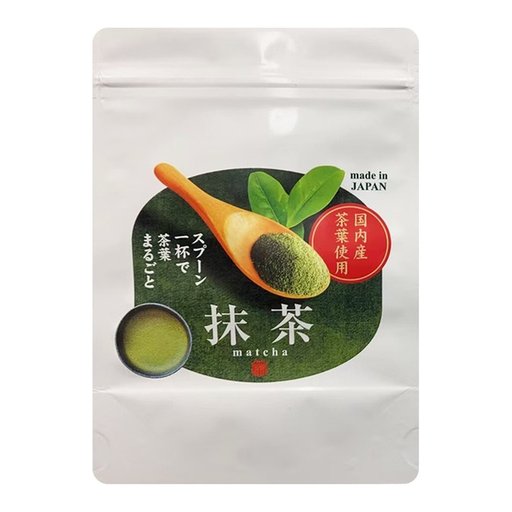 No image available
A powder option for a prepared-drinks station. Its 40 g pack is small relative to an event serving around 240 drinks; calculate the order from the recipe you will use.
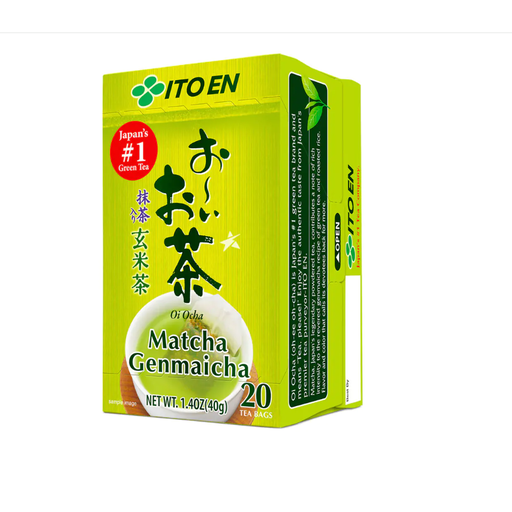 No image available
A bagged matcha-genmaicha option for individual infusions rather than a pure-matcha powder drink. Twelve 20-bag packs provide 240 bags if using one per person; confirm brewing guidance for the intended service.
 No image available
Individual powder sachets offer a portioned format. If the recipe uses one sachet per drink, plan the pack quantity against 240 drinks and confirm the preparation method.
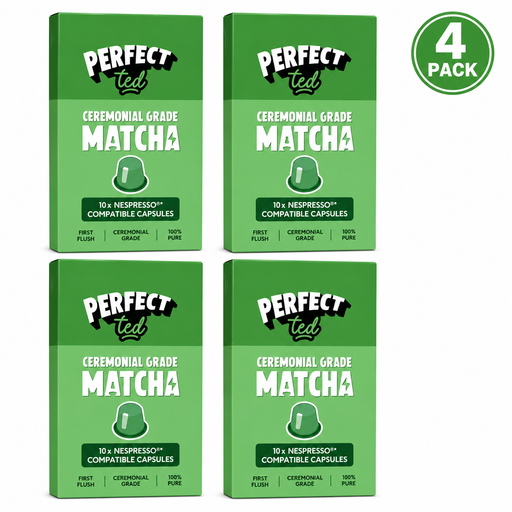 No image available
A pod option only for a station with a compatible Nespresso Original line machine. Confirm the bundle contents and the number of pods needed before planning service for 240 people.
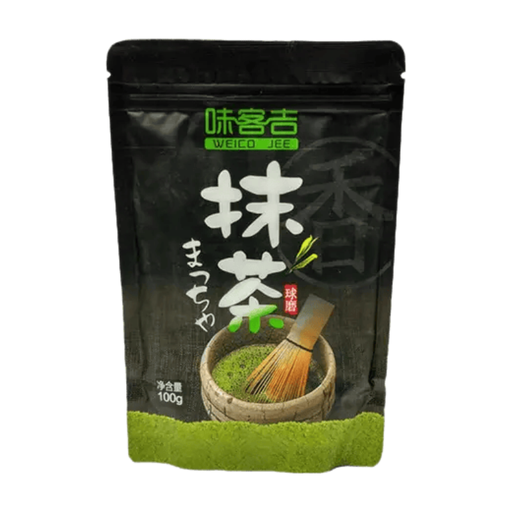 No image available
A 100 g powder pack to consider for prepared drinks. Set a grams-per-drink recipe before calculating how many packs a 240-drink service would require.
Not on pack count alone. Tesco lists 240-bag ordinary tea products, while the Clearspring and Pukka matcha blends described here come in 20-bag packs. Check the exact ingredients and count of any carton offered as matcha.
Twelve boxes provide 240 bags if each box contains 20 and each person uses one bag. Allow separately for refills or changes in attendance.
No. Clearspring declares 2.5% matcha in its Matcha Sencha bags, and Waitrose & Partners lists the Pukka blend at 2% matcha; Matcha Wholesale declares 100% matcha for its powder. Choose according to the drink you intend to describe and prepare.
Follow the instructions for the exact product. Matcha Wholesale says to keep its powder sealed in a cool, dry place away from light; check how to handle opened packs during service too.
Provide a clearly identified caffeine-free alternative for attendees who avoid caffeine. The NHS identifies tea as a caffeine source; a product’s name alone does not establish the caffeine amount in a prepared serving.