Hosts serving a large group
If guests will make their own tea, bags keep portions straightforward. Four packs of 20 give you 80 bags in total; check the pack count when ordering.


For a brunch where guests can help themselves to brewed tea, four 20-bag packs give you 80 individually portioned bags without measuring powder. Choose matcha powder instead if you plan to make lattes, iced drinks or food, but work out the powder needed from your actual recipes. Check the ingredients before choosing: some matcha tea bags are predominantly green tea, not pure matcha.
Choose the serving format before counting portions: a bag makes brewed tea, while powder needs a drink recipe and preparation time.
If guests will make their own tea, bags keep portions straightforward. Four packs of 20 give you 80 bags in total; check the pack count when ordering.
Powder allows you to prepare different drinks and use matcha in recipes, but each serving needs measuring and mixing. Clearspring lists lattes, smoothies and baking among the uses for its pure matcha powder.
A matcha-containing tea bag may suit someone who wants an infused cup rather than a whisked powder drink. Clearspring lists its Matcha Sencha as 97.5% sencha and 2.5% matcha; the Pukka blend listed by Waitrose & Partners is 98% green tea and 2% matcha.
Start with the number of cups and the drinks you intend to serve, then check the ingredients and preparation details for the chosen product.
| Priority | What to check | Your needs |
|---|---|---|
| Portions | Check bags per pack and multiply by the number of packs. For powder, set grams per finished drink before calculating how much to order. | I need enough for around 80 cups. Four 20-bag packs provide 80 bags, but a powder pack does not establish 80 finished drinks on its own. |
| Service | Check the brewing instructions for bags, or the measuring and mixing steps for powder. Plan who will prepare made-to-order drinks. | If guests will serve themselves, individually portioned bags simplify the setup. For lattes or iced drinks, I can allow time to prepare each recipe. |
| Ingredients | Read the full ingredient list rather than relying on “matcha” in the product name. Clearspring lists 2.5% matcha in Matcha Sencha; Waitrose & Partners lists 2% in Pukka Supreme Matcha Green. | I want to know whether guests are getting brewed green-tea blend or a drink prepared from pure matcha powder. |
| Caffeine | Check the product and the amount used per serving. Clearspring estimates approximately 32mg of caffeine per 1g of its Premium Grade powder; that estimate is not a value for other powders or tea bags. | If coffee and tea are also on the brunch table, I want to know how much of the chosen powder goes into each drink. |
Some bags are mainly green tea: the Clearspring Matcha Sencha and Pukka Supreme Matcha Green ingredient lists put matcha at 2.5% and 2% respectively.
Choose by ingredient list and serving method. Use a brewed blend if that is the cup you want; choose powder if your recipe calls for matcha itself.
Four 20-bag packs add up to 80 bags, but they are still four packs. That distinction matters when checking the basket and arranging the brunch table.
Confirm the bag count and number of packs before ordering. If the guest count may change, decide whether you need spare servings.
Clearspring instructs users to whisk 1g of its Premium Grade powder into 30ml of liquid. That preparation does not specify the powder needed for every finished latte or iced drink.
Make a representative serving, record the grams of powder used, then calculate the amount needed for your planned number of drinks.
Latte-style service may also require milk or a plant drink, ice and equipment for measuring and mixing.
These examples show why format and ingredients matter; check the exact product and pack size you intend to buy.
Clearspring has both pure matcha powder and matcha-containing tea sachets, which serve different brunch plans.
Pukka Supreme Matcha Green is a portioned tea-bag option for brewed drinks.
Teapigs has a dedicated matcha category for comparing products by format.
These options include one 20-bag matcha-containing tea blend and two 100g matcha powders. Compare them by the drinks you plan to serve; a single bagged pack provides 20 bags, while powder quantity needs a recipe-based calculation.
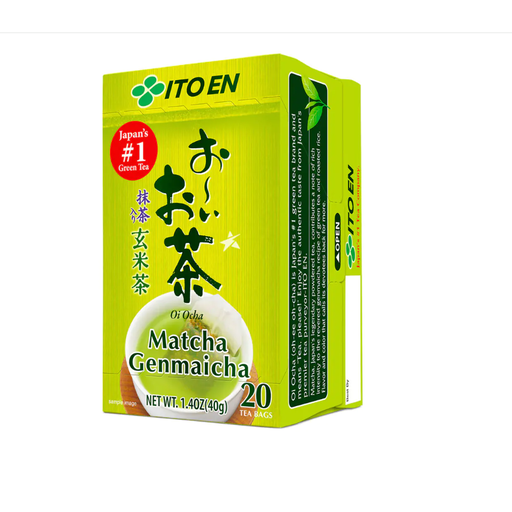 No image available
A portioned tea-bag option for brewed drinks. One pack contains 20 bags, so an 80-bag plan calls for four packs; check the preparation instructions for your serving setup.
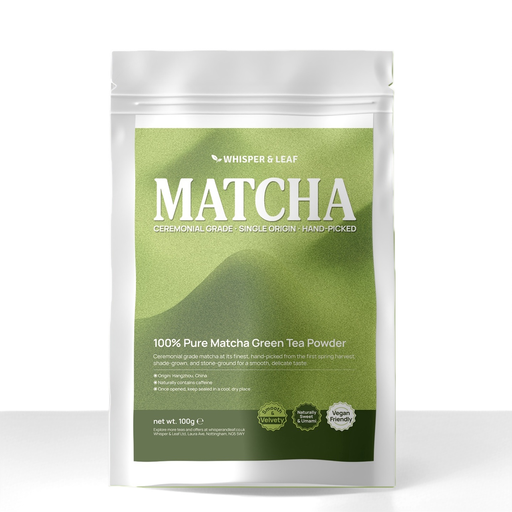 No image available
A powder option if you plan to prepare individual matcha drinks rather than brew tea bags. Decide how many grams your recipe uses per drink before calculating whether a 100g bag covers the brunch.
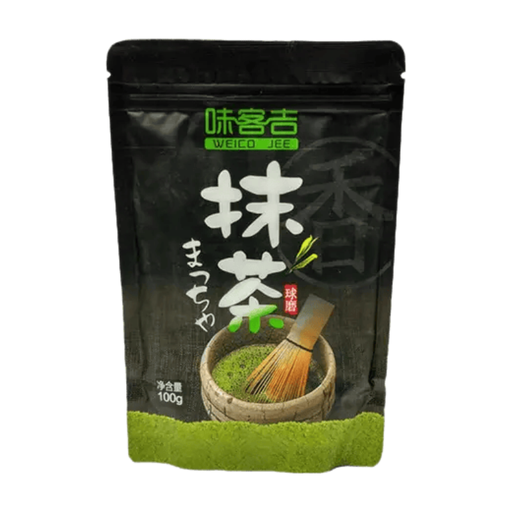 No image available
Another powder format for a made-to-order drink or recipe plan. Check the ingredient list and preparation instructions on the product packaging, then calculate portions from the amount your chosen recipe uses.
Four 20-bag packs give you 80 bags. Clearspring lists Matcha Sencha in 20-sachet packs, and Waitrose & Partners lists Pukka Supreme Matcha Green in 20-bag packs. Check that the product in your basket contains matcha; an ordinary 80-bag tea box is not necessarily a matcha product.
No. Clearspring lists its Matcha Sencha bags as 97.5% sencha and 2.5% matcha, while Waitrose & Partners lists Pukka Supreme Matcha Green as 98% green tea and 2% matcha. Clearspring lists organic matcha as the sole ingredient in its Premium Grade powder.
Decide the grams of powder in one finished drink, then multiply by the number of drinks you expect to make. Clearspring’s instruction for its Premium Grade powder uses 1g with 30ml of liquid, but that preparation alone does not establish the quantity needed for every latte or iced-drink recipe.
Pukka’s instructions for Supreme Matcha Green say to brew it hot, let it cool and serve it over ice. If you choose another bagged blend, check its own preparation instructions and try a chilled batch before brunch.
Clearspring estimates approximately 32mg of caffeine per 1g of its Premium Grade matcha powder. Use the grams in your actual recipe when considering that product; do not apply the estimate to other powders or matcha-containing tea bags.