After-dinner tea drinkers
If you want a straightforward hot drink after a meal, ingredients can guide the flavour: roasted rice points towards a nutty genmaicha-style infusion, while ginger gives a spicier option.


For an easy after-dinner infusion, choose a matcha-containing tea bag by its ingredients and flavour; the named Clearspring blends contain 1.4% to 2.5% matcha alongside green tea and other ingredients. Choose a pyramid bag when that bag shape matters to you, but check its contents rather than assuming it is pure matcha. If you want 100% matcha for a whisked drink or cooking, choose powder and allow for the preparation step.
If you want a straightforward hot drink after a meal, ingredients can guide the flavour: roasted rice points towards a nutty genmaicha-style infusion, while ginger gives a spicier option.
If you prefer a bag designed for a leaf infusion, check both its shape and its ingredients. Pyramid construction alone does not tell you whether the tea contains matcha.
If you want matcha itself for a whisked drink, latte or cooking, 100% matcha powder is a different choice from a tea bag. It needs measuring and whisking.
Start with whether you want a brewed tea or whisked matcha, then check the ingredients, bag construction and timing of your drink.
| Priority | What to check | Your needs |
|---|---|---|
| Drink format | Read the ingredient list for tea leaves and matcha proportions. Check whether the preparation calls for steeping a bag or whisking powder. | I want to know whether I am making a green-tea infusion or a drink from 100% matcha powder. |
| After-dinner flavour | Compare the added ingredients: Clearspring lists 29.25% roasted brown rice in Matcha Genmaicha and 45% ginger in Matcha Ginger; Matcha Sencha lists 97.5% sencha. | For a drink after dinner, I might prefer roasted rice, ginger or a simpler green-tea flavour. |
| Pyramid construction | Confirm that the exact product is described as a pyramid bag, then check what is inside it. JING describes its pyramid bags as containing whole leaves with room to unfurl; that does not establish the contents of another brand’s bag. | A pyramid bag matters to me for the leaf-infusion format, but I would check separately whether it contains matcha. |
| Evening caffeine | Check the product’s serving and caffeine information alongside other sources of caffeine. The NHS advises no more than 200 mg of caffeine per day during pregnancy, counting intake from all foods and drinks. | For a late drink, I want to consider caffeine from the rest of the day rather than judging it by the word “matcha” on the pack. |
Clearspring Matcha Sencha lists 97.5% sencha and 2.5% matcha; its Matcha Ginger lists 53.6% sencha, 45% ginger and 1.4% matcha. Its pure matcha powder lists matcha as the sole ingredient.
Choose between an infusion and whisked powder first, then compare the ingredients of the specific product.
A pyramid describes the bag’s construction, not the proportion of matcha. JING and teapigs describe their pyramid formats around whole tea leaves.
Confirm the bag shape if it matters to you, and read the ingredient list separately for matcha content.
Matcha and green tea contribute to caffeine intake. The NHS advises a daily limit of 200 mg from all sources during pregnancy.
Check the exact product’s caffeine information and consider other caffeinated foods and drinks consumed that day.
These brand examples illustrate different tea formats; a pyramid bag and a matcha-containing blend are not necessarily the same product.
Clearspring lists both 100% organic matcha powder and tea sachets blending matcha with other ingredients.
JING describes its pyramid tea bags as holding the same whole-leaf tea sold in its loose-leaf range.
teapigs describes its Tea Temples as pyramid bags containing whole leaves.
Pukka’s listed matcha-green-tea bags provide ingredient-led alternatives for a brewed cup.
These options are for brewing a matcha-containing tea after dinner. One is named as a pyramid bag; check the format of the other if that shape is important to you.
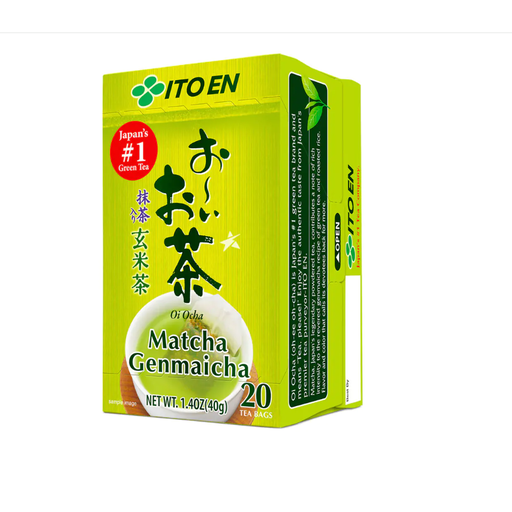 Image unavailable
A bagged genmaicha option if you want a roasted-rice flavour after dinner rather than a drink made from pure matcha powder. Confirm the bag shape before buying if pyramid construction is essential, and check the pack’s brewing and caffeine information for a late drink.
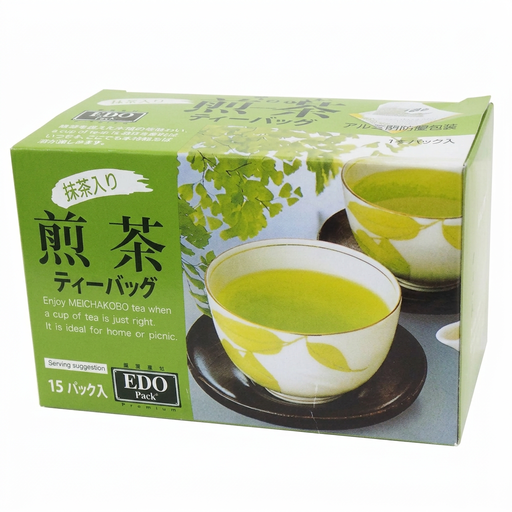 Image unavailable
A pyramid-bag option for a sencha-and-matcha infusion, not a substitute for whisked pure matcha powder. Check the pack for brewing instructions and caffeine information when choosing an evening drink.
No. A pyramid describes the bag’s shape, while the ingredients determine what you brew. Clearspring’s named bagged blends list 1.4% to 2.5% matcha alongside other ingredients; its 100% matcha powder is prepared by whisking.
Choose by the flavour you want: Clearspring Matcha Genmaicha includes roasted brown rice, Matcha Ginger includes ginger, and Matcha Sencha is led by sencha green tea. Those ingredient differences do not make one option suitable for everyone.
Choose a whole-leaf pyramid bag if you want a brewed leaf infusion, not if you need the same format as whisked powder. JING describes its pyramid bags as giving whole leaves room to unfurl; check the specific tea’s ingredients for any matcha content.
Follow the instructions for the exact product. For Clearspring Matcha Sencha sachets, Clearspring says to boil fresh water, let it cool for a minute and infuse for 1–2 minutes; instructions for other blends may differ.
Check the product’s serving information and consider caffeine from other foods and drinks that day. The NHS advises no more than 200 mg of caffeine per day during pregnancy, from all sources; a matcha percentage alone does not tell you a tea bag’s caffeine content.