Plain-matcha drinkers
If you plan to whisk matcha with water and serve it without milk or sweetener, start with a product listing 100% matcha. JING describes its ceremonial matcha for this style of preparation.


For a plain, water-whisked afternoon tea, look for 100% matcha and choose a glass jar or tin according to the container you want. If you usually add milk or use matcha in baking, a powder positioned for those uses or a flavoured latte blend may suit you better; check the ingredients and whether the selected pack actually includes a jar or tin.
If you plan to whisk matcha with water and serve it without milk or sweetener, start with a product listing 100% matcha. JING describes its ceremonial matcha for this style of preparation.
If afternoon tea usually means a milk-based drink, or you also bake with matcha, check powders described for those uses. Clearspring positions its premium matcha for drinking and home baking; flavoured latte blends have different ingredient lists from plain matcha.
If the container matters as much as the powder, distinguish matcha packed in a glass jar from a tin sold alongside a refill pouch. Check the selected variant to see where the powder arrives.
Decide how you will serve the matcha, then check the actual container and label rather than relying on a grade or a search result alone.
| Priority | What to check | Your needs |
|---|---|---|
| Container | Check whether the selected pack holds the powder in a glass jar or tin, or supplies a separate tin with a pouch. Follow its storage instructions. | I want a reusable jar, not just a container pictured beside a refill pouch. Alternatively, a tin may fit the way I store tea. |
| How you will serve it | For plain tea, check for a 100% matcha ingredient list and water-whisking directions. For milk-based drinks or baking, check the stated uses and whether sweetener or flavouring is already added. | Will I taste the matcha on its own, add milk, or use some in recipes? A flavoured blend would change what I need to add myself. |
| Caffeine per portion | Compare declarations using each product’s stated serving size, then consider other caffeine-containing drinks that day. Waitrose lists 68 mg per 2 g serving for its PerfectTed plain matcha. | An afternoon serving needs to fit alongside my other drinks. During pregnancy, NHS advice is to have no more than 200 mg of caffeine a day from all sources. |
| Current ingredients | Read the pack’s ingredients and allergen information, particularly for flavoured blends. Waitrose lists coconut sugar, 30% ceremonial-grade matcha and natural flavourings in PerfectTed Vanilla Bean Matcha. | I may want only matcha, or I may prefer a prepared vanilla blend. If ingredients or allergens matter to me, I need to check the pack I receive. |
A glass jar containing matcha and a storage tin offered with a powder pouch are different purchases.
Check the chosen variant for both the container and the packaging the powder arrives in.
The grade wording does not tell you whether a product is plain matcha or a sweetened blend, or how you are instructed to prepare it.
For water-whisked tea, check the ingredient list and preparation directions. For a latte, decide whether you want to add your own sweetener or buy a flavoured powder.
A caffeine figure applies to its stated portion, which may differ between products. Waitrose lists 68 mg per 2 g serving for its PerfectTed plain matcha.
Read caffeine figures together with their serving sizes and count other sources. NHS advice during pregnancy is no more than 200 mg of caffeine a day.
A changed recipe matters particularly when you are choosing between plain powder and a flavoured blend, or checking allergens.
Read the ingredients, allergen information and storage instructions on the pack you receive.
These examples illustrate different matcha formats and intended uses; a brand name alone does not establish the container or ingredients of every product it sells.
Its ceremonial and premium matcha products offer different preparation routes.
JING separates ceremonial matcha for plain preparation from its latte-oriented range.
An Amazon UK listing describes a 50 g glass-jar option containing ceremonial-grade matcha.
Grind offers a tin-oriented route alongside a 30 g matcha pouch.
Waitrose listings distinguish plain matcha from a vanilla latte-style blend.
These options focus on matcha for plain tea or for drinks and recipes, with can or tin formats described for the selections. Check each pack if you specifically want a reusable container.
 No image available
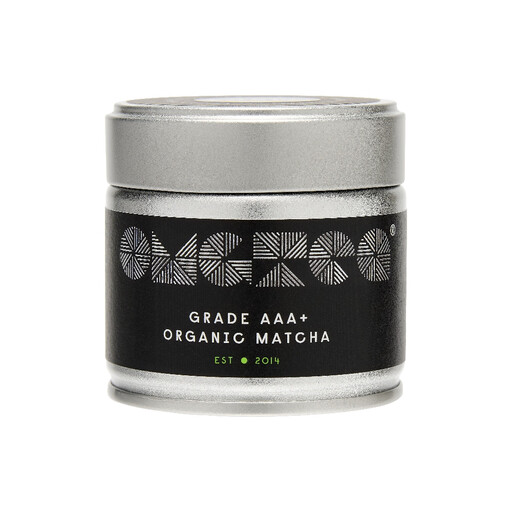
For a plain afternoon cup, its product description presents this as 100% organic matcha intended to be enjoyed straight. It describes an aluminium storage tin and a 1 g serving, with directions to sift before whisking and refrigerate the tin after opening.
 No image available
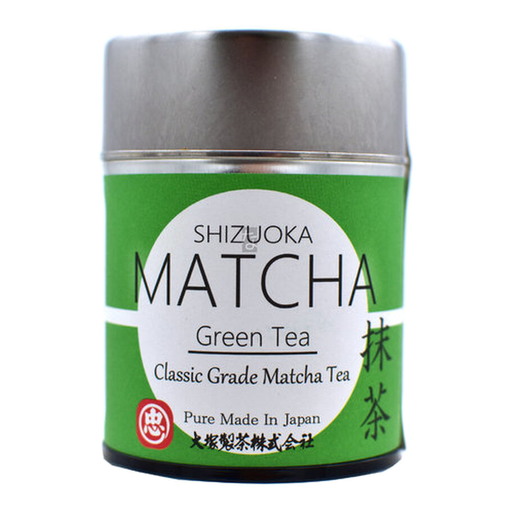
For whisked tea, the product description gives directions using approximately 1 g of matcha; it also names lattes and cooking as uses. The named pack is a 30 g can. If you need a reusable container or a caffeine figure for your serving, check the current pack details.
 No image available
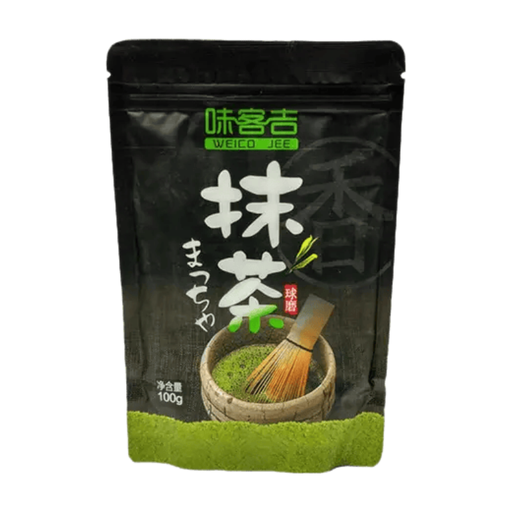
For milk-based drinks or recipes, its product description lists lattes, baking and desserts as uses and describes a 100 g tin of culinary-grade matcha. If you intend to whisk it with water or compare caffeine by serving, check the current pack’s directions and declarations.
Choose a glass jar if that reusable format is a priority; a tin is another container option, but check whether the matcha comes inside it or in a separate pouch. Neither format replaces the storage instructions on the pack.
For matcha whisked with water and served plain, ceremonial products are positioned for that preparation. If you normally add milk or bake with matcha, check a product’s stated uses instead: Clearspring, for example, positions its premium matcha for drinking and home baking.
Follow the instructions for the product you buy. Clearspring gives 1 g with 30 ml of hot water for its ceremonial matcha, while JING specifies 1.5 g for a 160 ml cup; those directions apply to their respective products.
Yes. Check the amount per stated serving: Waitrose lists 68 mg per 2 g serving for its PerfectTed plain matcha. NHS advice during pregnancy is no more than 200 mg of caffeine a day from all sources.
Use the listing to compare products, then read the label on the pack you receive before consumption. Waitrose notes that recipes and allergen information can change, which matters when comparing plain matcha with a flavoured blend.