Regular home-working lunch drinkers
If matcha is part of your lunch routine, preparation time and the number of portions in a pack may matter as much as whether the drink uses pure matcha or a tea blend.


A 240-teabag carton is not necessarily a matcha supply: Tesco lists 240-count standard teas, while the matcha formats described here include smaller packs and powder. For a quick working-from-home lunch drink, consider a matcha-containing tea bag or portioned sachet after checking its ingredients. If you want plain whisked matcha or expect to measure out many drinks, consider pure powder and check the pack quantity and preparation instructions.
If matcha is part of your lunch routine, preparation time and the number of portions in a pack may matter as much as whether the drink uses pure matcha or a tea blend.
If you are aiming for around 240 drinks, distinguish a bag count from a powder weight or sachet count. Check the stated serving method before deciding how much to buy.
If you want pure matcha, inspect the ingredients rather than relying on the word ‘matcha’ in the product name. Tea blends and prepared drink mixes can contain other ingredients.
Choose the drink format first, then check whether its ingredients, preparation method and stated quantity fit the lunches you have in mind.
Consider when: You want to make an infused tea at lunch without measuring powder.
Bear in mind: A matcha-labelled bag may be predominantly another tea; Clearspring lists its Matcha Sencha as 97.5% sencha and 2.5% matcha.
Consider when: You want to whisk matcha plain or measure powder for drinks made with milk.
Bear in mind: Loose powder takes measuring and mixing; follow the storage directions on the pack you buy.
| Priority | What to check | Your needs |
|---|---|---|
| Pack quantity | Check whether the stated number counts tea bags or sachets, or whether the pack gives only a powder weight. Use a stated serving method when estimating your supply. | I want enough lunch drinks without mistaking a 240-count ordinary tea carton for matcha. |
| Ingredients | Read the exact product’s ingredient list and any matcha percentage. Clearspring lists 2.5% matcha in its Matcha Sencha bags, compared with 100% matcha in its Matcha Shot sachets. | If I want pure matcha, a blend or prepared latte mix is a different choice, even when ‘matcha’ appears in its name. |
| Preparation | Check whether the product is infused, whisked or mixed. JING Tea positions its ceremonial powder for plain water and its culinary-style powder for drinks or recipes with other ingredients. | A tea bag fits a short lunch break; on other days I may have time to measure and whisk powder. |
| Repeated use | Check product-specific caffeine information, ingredients and storage instructions. Clearspring states approximately 32mg of caffeine per 1g of its Matcha Shot powder; that figure does not describe every matcha drink. | When I make these drinks regularly, I want to know what is in each product and how to store an opened pack. |
Tesco’s tea listing includes 240-count ordinary teas. The count tells you how many bags are in a carton, not what those bags contain.
Check the individual product name, ingredients and net quantity before using the count to plan your supply.
Clearspring’s Matcha Sencha contains 97.5% sencha and 2.5% matcha. It is an infused tea blend, unlike its sachets labelled as 100% matcha powder.
Choose by the ingredient list and preparation method: an infusion and a whisked powder are different drinks.
JING Tea’s own guidance positions ceremonial powder for whisking plain and culinary-style powder for uses involving milk, sugar or other ingredients.
Decide how you will make most lunches before choosing a powder described for either use.
A tea blend, pure powder and prepared drink mix can have different ingredient lists. This matters particularly when choosing a large quantity of a flavoured or milk-containing mix.
Read the ingredients and allergen information for the precise product and variant you intend to buy.
These examples show how brands describe different matcha formats; they do not establish that any brand offers a 240-bag matcha box.
Clearspring lists both a Matcha Sencha tea-bag blend and portioned matcha powder.
JING Tea describes a 30g Okumidori matcha powder and gives guidance on choosing powder by intended preparation.
teapigs has a matcha category covering teas and teaware.
Matcha Wholesale describes powder formats for repeated drink-making and recipes.
These smaller packs cover pure matcha sachets, matcha-containing tea bags and prepared drink mixes for working-from-home lunches. Compare their counts and ingredients if you are planning a larger supply.
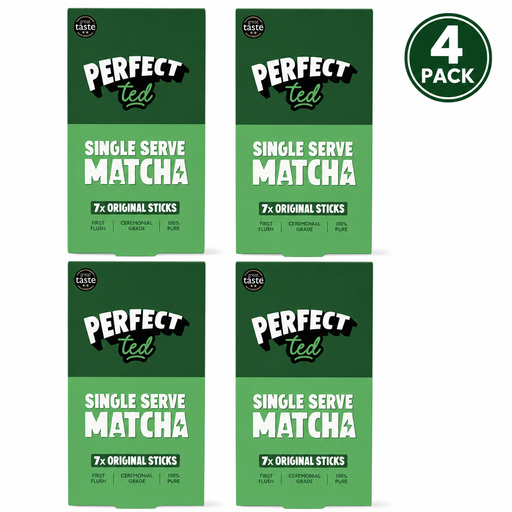 No image available
For individually portioned matcha at lunch, this bundle contains 28 sachets of 1.5g each and lists 100% matcha. Check its preparation instructions if you plan to make a hot drink; it is not a 240-portion box.
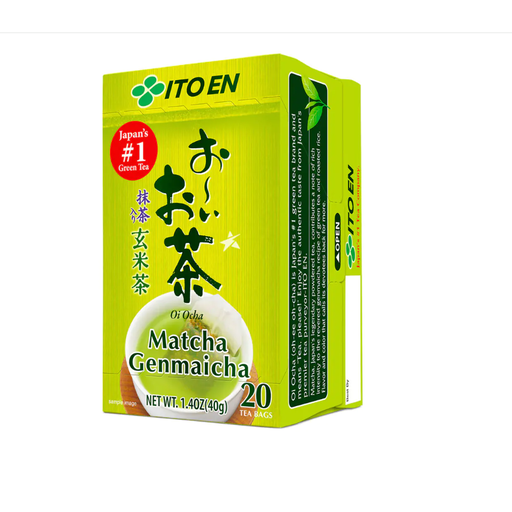 No image available
For a portioned tea-bag infusion at lunch, this 20-bag pack contains roasted rice, green tea and 3% matcha powder. It is a blend rather than pure matcha, and the pack contains 20 bags rather than 240.
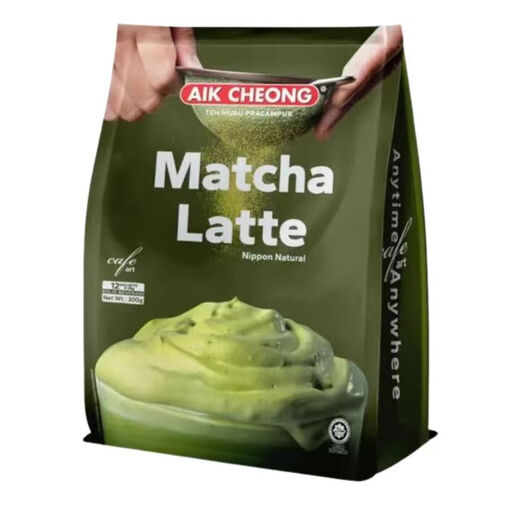 No image available
For a portioned latte-style lunch drink, these 12 sachets can be mixed with hot water or milk. The mix lists matcha powder, milk powder and sugar; check the label for the matcha proportion if it matters to you. It is not pure matcha or a 240-portion box.
 No image available
For an individually portioned oat-and-matcha drink, this pack has six 25g sachets and gives instructions using 150–200ml of water. It lists oat powder, sugar, matcha powder and creamer, so it is not plain matcha. Check the exact pack’s allergen information and matcha proportion before buying a larger quantity.
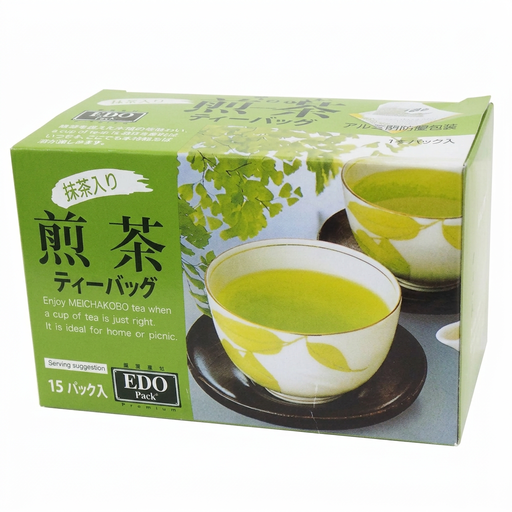 No image available
For a tea-bag infusion at lunch, this 30g sencha blend lists 98% green tea and 2% green-tea powder; it is not pure matcha. Check the bag count and preparation instructions on the product before calculating how many lunches it will cover.
Not on the count alone. Tesco lists 240-count standard teas, so check the individual carton’s name and ingredients to establish whether it contains matcha. If you need a particular matcha quantity, also check what the pack calls a serving.
Choose a matcha-containing tea bag if you want an infusion without measuring powder; choose powder if you want to whisk matcha or measure it into a latte or recipe. Check ingredients in either case, because a tea blend, pure powder and prepared mix are different products.
No. Clearspring lists 97.5% sencha and 2.5% matcha in its Matcha Sencha bags, while its Matcha Shot sachets list 100% matcha powder. Read the ingredients for the particular product rather than relying on its name.
Check the precise pack’s ingredients, allergen information, quantity and mixing instructions, particularly if it contains milk or other added ingredients. UK government guidance says pre-packed food labels must show the food name and ingredients list, with legally required allergens emphasised.
Follow the instructions on your pack. For example, the OTSUKA SEICHA matcha powder listing on Joybuy specifies a cool, dry place away from direct sunlight and an airtight container after opening; those directions are specific to that product.