Plain-matcha drinkers
If you drink matcha with water, the tea’s flavour remains prominent beside a sweet biscuit. Clearspring describes its ceremonial powder as rich and smooth, and suggests serving it with something sweet on the side.


For matcha served plain beside a sweet biscuit, start with a powder intended for drinking with water: Clearspring describes its ceremonial matcha as rich and smooth. If the drink will contain milk, consider a latte-oriented powder such as JING Tea’s matcha for milk; if you also want to bake with it, Clearspring positions its Premium Grade for culinary use. A label such as “extra-bold” does not tell you how the cup will taste, so follow the product’s preparation directions before changing the dose.
If you drink matcha with water, the tea’s flavour remains prominent beside a sweet biscuit. Clearspring describes its ceremonial powder as rich and smooth, and suggests serving it with something sweet on the side.
If milk is part of your tea-and-biscuits break, look for a powder intended for that preparation. JING Tea describes its latte matcha as combining with milk.
If you want the same powder for a cup and for biscuits or other baking, check its stated uses. Clearspring positions its Premium Grade matcha for drinking and culinary recipes.
Decide how you will serve the matcha first, then check the exact powder’s preparation and food-label information.
| Priority | What to check | Your needs |
|---|---|---|
| Plain-cup flavour | Check whether the powder is intended for drinking with water, and read the maker’s flavour description and serving directions. Clearspring describes its ceremonial matcha as intense, rich and smooth. | I want to taste the matcha itself, with a biscuit providing sweetness alongside it. |
| Milk or baking | Look for stated milk-drink or culinary uses rather than assuming a grade describes how the powder will taste in either setting. JING Tea describes a latte matcha for milk; Clearspring describes culinary uses for Premium Grade. | My matcha will go into a milk drink, or I want one powder to use in both drinks and baking. |
| Preparation | Check the product’s dose and water directions. JING Tea advises water around 70°C rather than boiling for its matcha and recommends sifting compacted powder before mixing it with a little water. | I would rather adjust the water or milk after tasting than add extra powder to a bitter or lumpy cup. |
| Caffeine | Check the caffeine amount for the exact product and serving size where it is declared. Waitrose lists 68mg per 2g serving for its PerfectTed matcha powder; that figure should not be applied to other powders. | I need to account for matcha alongside my other sources of caffeine. |
| Ingredients and allergens | Read the current pack’s ingredients, allergen information and any “may contain” statement. The Food Standards Agency explains that precautionary allergen wording can indicate possible unintended allergen presence. | I need to check the powder and the biscuits I serve with it, particularly if I choose a flavoured or latte-style product. |
That wording alone does not establish whether a powder suits a plain cup, a milk drink or baking.
Choose the intended use first, then compare the exact product’s ingredients, flavour description and preparation directions.
JING Tea advises against boiling water when preparing its matcha because it can bring out bitterness. Adding powder also changes the amount of matcha, and therefore caffeine, in the serving.
For JING Tea’s preparation, start with water around 70°C. Taste the drink before changing the powder dose.
Waitrose declares 68mg caffeine per 2g serving for its PerfectTed powder; serving information for one product cannot establish the amount in another.
Check the amount for your product and serving. During pregnancy, the NHS advises no more than 200mg caffeine a day from all sources.
Ingredients and allergen information can change, and the Food Standards Agency explains that a precautionary “may contain” statement can signal possible unintended allergen presence.
Check the current physical packs of both the matcha and the biscuits before serving them.
Clearspring offers separate Ceremonial and Premium Grade Japanese matcha powders.
JING Tea presents a ceremonial matcha for plain preparation and a separate latte-oriented matcha.
teapigs has a matcha category for shoppers considering another tea retailer.
Waitrose lists PerfectTed matcha powder with product-specific serving information.
These Joybuy powders offer matcha for a drink alongside biscuits, including loose powder and portioned sachets. Choose according to how you plan to prepare the drink; the list does not compare every plain, milk-based and baking option.
 No image available
For matcha served with water beside biscuits, start with the pack’s preparation directions and taste the cup before changing the dose.
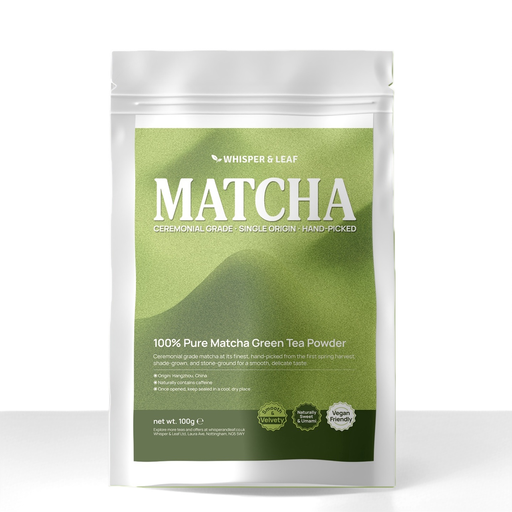 No image available
If you plan to drink this ceremonial-grade powder plain with biscuits, check the pack’s serving directions before deciding how concentrated to make the cup.
 No image available
The seven 1.5g sachets provide individual portions for a matcha drink with biscuits. Check the pack’s mixing directions if you specifically want to serve it hot.
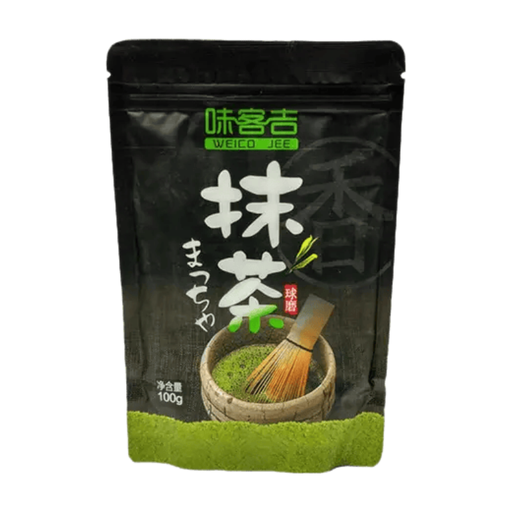 No image available
If you want to use one powder for a drink and biscuit recipes, check this matcha’s current ingredients and preparation directions for each use.
For a plain cup beside a sweet biscuit, consider a powder intended for drinking with water: Clearspring describes its Ceremonial Grade as rich and smooth. If you also want to bake, Clearspring positions its Premium Grade for culinary use. Neither grade name alone measures how strong your prepared cup will taste.
Follow the powder’s serving directions before increasing the dose. JING Tea advises water around 70°C rather than boiling for its matcha; it also recommends sifting compacted powder and mixing it with a small splash of water before topping up.
Check the amount for your exact matcha and serving size, then include other caffeine sources in your daily total. Waitrose declares 68mg per 2g serving for its PerfectTed powder; during pregnancy, the NHS advises no more than 200mg caffeine a day from all sources.
Read the current ingredients and allergen information on both packs, including any “may contain” wording. The Food Standards Agency explains that precautionary allergen labelling can communicate possible unintended presence of a regulated allergen.