Water-whisked matcha drinkers
A pure powder lets the tea be the main flavour. If origin or preparation detail matters to you, compare the exact product’s stated growing area, cultivar and serving instructions.


Choose a 100% matcha powder if you want to whisk the tea with water or control what goes into a latte. A powder intended for milk drinks may suit a regular latte routine, while a matcha-containing food blend serves a different purpose: check its ingredients and matcha proportion rather than treating it as a tin of pure powder.
Start with how you plan to use the matcha: whisked with water, mixed into a drink or bought as part of a prepared food.
A pure powder lets the tea be the main flavour. If origin or preparation detail matters to you, compare the exact product’s stated growing area, cultivar and serving instructions.
Look for a powder whose maker describes milk drinks or cooking as intended uses. A latte-oriented powder and a multi-ingredient instant latte mix are different choices, so read the ingredients before deciding.
A matcha-containing breakfast product can be convenient when the food itself is what you want. Check how much matcha it contains, along with the current ingredients and allergen information.
Read the ingredient list first, then compare the intended use and preparation guidance for the exact product.
| Priority | What to check | Your needs |
|---|---|---|
| Ingredients | Check whether matcha is the only ingredient. For a blend, look for its stated matcha proportion and the other ingredients. | I want an unsweetened powder I can prepare in different ways, or I want a particular ready-made drink or food. M&S Food lists 1% matcha in its Matcha and Raspberry Overnight Oats, alongside oats and fruit ingredients. |
| Intended use | Compare the maker’s suggested use and measured preparation instructions. JING Tea specifies 1.5g and 70°C water for its ceremonial matcha, but 2g with 40ml water at 80°C for its latte matcha. | If I usually drink matcha with water, I want guidance for that preparation. For regular lattes, I would check whether the powder or mix is intended for milk drinks. |
| Product detail | For pure powders, check any named growing area, cultivar or processing method on the exact product. A grade label alone does not provide those details. | I want identifiable production information to compare, without assuming it tells me which flavour I will prefer. |
| Dietary checks | Read the current ingredients, allergen statement, serving guidance and any caffeine information for the exact pack. Consider other caffeine sources across the day. | For a blend, I need to know what accompanies the matcha. During pregnancy, the NHS advises a limit of 200mg of caffeine a day from all sources. |
Matcha can be one ingredient in a food or drink mix. M&S Food, for example, lists 1% matcha in its Matcha and Raspberry Overnight Oats.
Choose an ingredient list containing only matcha green tea powder if you need a plain base for whisked drinks and recipes.
A product presented for whisking with water addresses a different use from one presented for lattes or cooking. The grade name does not settle which preparation suits your routine.
Decide how you will usually prepare it, then compare the maker’s stated uses for the exact powder.
Serving and water guidance can differ: JING Tea specifies 70°C water for its ceremonial matcha and 80°C water for its latte matcha.
Start with the instructions on your chosen product rather than transferring measurements from another tin.
A multi-ingredient blend calls for ingredient and allergen checks. Matcha also contributes to caffeine intake, which matters alongside other sources during pregnancy.
Read the current pack and serving information. The NHS advises no more than 200mg of caffeine a day during pregnancy, counting all sources.
These examples illustrate different product formats; a brand name alone does not tell you the ingredients or intended use of every item it sells.
Clearspring describes both ceremonial and premium organic Japanese matcha powders.
JING Tea describes separate ceremonial and latte-oriented matcha products.
M&S Food’s Matcha and Raspberry Overnight Oats is an example of matcha within a prepared food.
Tesco Groceries lists Perfect Ted Organic Matcha Green Tea 30G as ceremonial-grade matcha powder.
These options cover pure powders for preparing your own drinks and portioned mixes for milk-based or oat-matcha drinks. Check each format against how you intend to use it.
 No image available
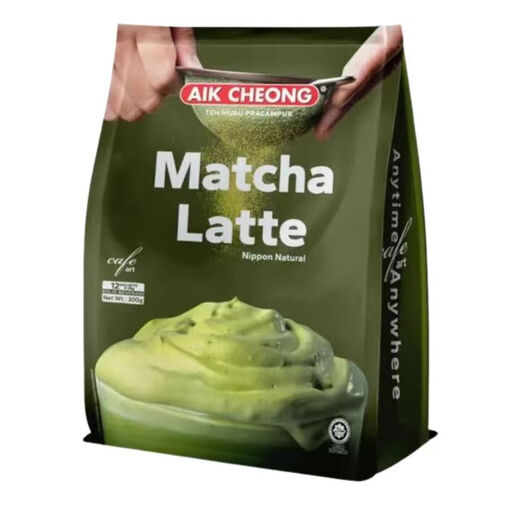
Portioned for a matcha latte mixed with hot water or milk, rather than for whisking plain matcha.
The listed blend contains matcha, milk ingredients and sugar. It contains milk and may contain traces of soy; check the current pack, including its matcha proportion and caffeine information, if those details affect your choice.
 No image available
A pure powder to consider if you want to prepare matcha as a straight drink.
The product description identifies 100% organic Japanese matcha, a 1g serving and approximately 34mg caffeine per 1g serving. Its preparation guidance includes sifting, and it advises refrigeration after opening.
 No image available
A portioned oat-matcha drink mix described for preparation with hot or cold water, not a pure matcha powder.
The listed ingredients include oat, sugar, creamer and matcha. The product information names milk, soy and oats and warns of possible wheat and nut traces; check the current pack if these or the matcha proportion matter to you.
 No image available
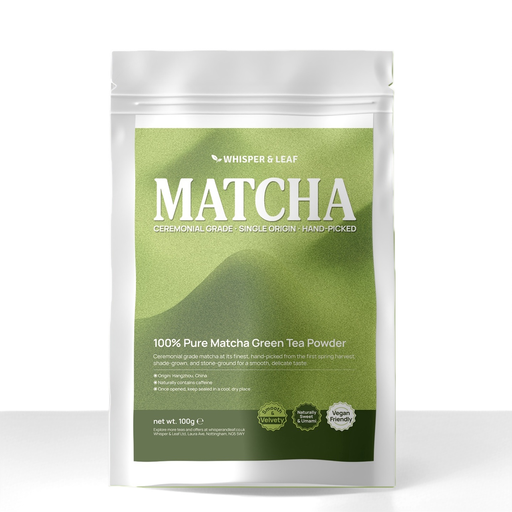
A pure powder described for traditional preparation as well as lattes and recipes.
The product description states 100% ceremonial-grade matcha and names the Yabukita cultivar, shade-growing and 1200-mesh fineness. Check the pack for the growing region, preparation measurements and caffeine information if these matter to your comparison.
 No image available
The matcha is described for water-based drinks, lattes and smoothies, making it an option if you want to prepare more than one type of drink.
The product description states 100% organic matcha and provides a 1g serving, water-temperature guidance and storage instructions. Check the current listing for the complete gift-set contents before choosing it for the extras.
Choose pure matcha if you want the tea powder as a flexible base and control over what you add. Choose a blend for its particular drink or food format, then check its ingredients: M&S Food’s Matcha and Raspberry Overnight Oats, for example, lists 1% matcha alongside oats and fruit ingredients.
A powder explicitly intended for milk drinks is a useful starting point; a pure powder can also suit lattes when its maker states that use. JING Tea gives its latte matcha a preparation method of 2g with 40ml water at 80°C. Check whether the product you choose is plain powder or a mix containing other ingredients.
Follow the instructions for your exact powder, as measurements differ. Clearspring specifies 1g with 30ml hot water for its ceremonial matcha, while JING Tea specifies 1.5g per 160ml cup and 70°C water for its ceremonial product.
Yes. The NHS advises no more than 200mg of caffeine a day during pregnancy from all sources, including tea, coffee and chocolate. Check the serving and caffeine information for the matcha product you use, and include other sources when considering your daily total.
Read the current ingredients and allergen statement for the exact product, particularly for latte mixes and prepared foods that contain more than matcha. Product formulations can change, so use the pack information when deciding whether a blend suits your dietary requirements.