Choose a matcha intended for whisking with water if the tea itself is the focus of breakfast; choose a latte-oriented powder if you usually add milk. If one tin also needs to work in drinks and recipes, look for a product explicitly described for both uses. JING Tea says matcha grade terms are not strictly regulated, so check each product’s intended use, ingredients and preparation guidance rather than treating its grade as a flavour guarantee.
Who is each type for?
Water-whisked matcha drinkers
If you usually make a small cup with water, the powder’s own flavour and texture will be central to the drink. Ceremonial products from Clearspring and JING Tea are positioned for this preparation, but their individual directions matter more than the grade word alone.
Breakfast latte and smoothie makers
If milk or other blended ingredients are part of your usual drink, look at powders described for that use. JING Tea positions a separate matcha product for lattes, while Clearspring describes its premium powder as suitable for drinking as well as baking.
One-tin weekend cooks
If you want matcha for a drink and for oats, baking or desserts, check that the exact powder is described for recipes as well as drinks. Then read its ingredients and serving guidance for the way you plan to use it.
What matters when choosing matcha?
Start with the breakfast you make most often: matcha whisked with water, a milk-based drink or a recipe. Then compare the exact products on preparation, serving size and ingredients.
Whisked with water
Choose when: You want the tea’s own flavour and texture to be the focus.
Bear in mind: A ceremonial label does not guarantee a particular flavour or quality level; JING Tea says grade terms are not strictly regulated.
Mixed with milk
Choose when: Your regular breakfast drink is a latte made with dairy or plant milk.
Bear in mind: A latte mix can contain ingredients beyond matcha, so check the finished drink as well as the powder.
Drinks and recipes
Choose when: The same powder needs to go into breakfast drinks and food.
Bear in mind: A product positioned for several uses is not a promise that you will prefer its flavour when drinking it with water alone.
| Priority |
What to check |
Your needs |
| Intended use |
Read the exact product’s directions for water preparation, milk-based drinks or cooking. Check whether recipe use is stated rather than assuming it from the grade. |
I mostly whisk matcha with water, make lattes or add it to food. I want the powder’s stated use to match that routine. |
| Flavour |
Compare product-specific flavour descriptions in the context of how you will prepare the drink. A description of how matcha tastes with milk does not establish how it will taste with water. |
When I drink matcha plain, its own flavour matters to me; in a latte, I care about how it works with the milk I use. |
| Serving and caffeine |
Check the serving amount and caffeine information for the exact pack, then consider other caffeine consumed that day. For pregnancy, the NHS advises no more than 200mg of caffeine a day in total. |
I want to know how much powder goes into my cup and account for its caffeine alongside my other drinks and food. |
| Ingredients |
Read the full ingredient list and allergen information, particularly for an instant latte mix. Check separately what you add to the drink, such as milk or syrup. |
Whether I choose plain powder or a prepared blend, I need its ingredients to suit the drink I intend to make. |
| Preparation |
Compare the stated powder amount, water volume and temperature for the exact product. JING Tea directs users to prepare its ceremonial matcha with 1.5g per 160ml of water at 70°C; that is not a universal matcha method. |
I would rather follow directions for my chosen powder than assume every matcha uses the same recipe. |
Buying mistakes to avoid
-
Treating ‘ceremonial’ as a flavour guarantee
JING Tea says matcha grade terminology is not strictly regulated. The word alone cannot tell you how a particular powder will taste or whether it suits your breakfast drink.
Use the grade as a starting point, then check the product’s intended use, ingredients and preparation directions.
-
Choosing for a water-whisked cup when you always add milk
JING Tea describes a separate product for pairing with milk, while Clearspring positions its premium powder for drinking and home baking. These are different intended uses, not a universal quality order.
Choose around the drink you make repeatedly, and check any additional ingredients in a latte mix.
-
Assuming every serving has the same caffeine
Serving amounts and caffeine information are product-specific. During pregnancy, the NHS advises a total of no more than 200mg of caffeine a day, including caffeine from sources other than matcha.
Check the pack’s serving guidance and caffeine information for the amount you intend to use.
-
Skipping the ingredients on a matcha latte mix
A blend may contain ingredients beyond matcha. That distinction matters if you need to check allergens or want to know what is already in the drink before adding milk or other ingredients.
Read the exact pack’s ingredients and allergen declaration. The Food Standards Agency says UK prepacked food must carry an ingredients list, with allergens emphasised when present.
Brand references
These brands illustrate different ways matcha is described for drinks and food; their inclusion does not imply that a particular product is available on Joybuy.
Clearspring
Clearspring lists separate organic Japanese ceremonial and premium matcha powders. It positions the ceremonial product for a water-prepared drink and the premium product for drinking and home baking.
- The separate product descriptions make it possible to compare their stated uses.
- Its grade descriptions are the manufacturer’s positioning, not an independent comparison of flavour.
JING Tea
JING Tea describes separate ceremonial matcha and a product intended for lattes. Its ceremonial instructions specify 1.5g per 160ml of water at 70°C.
- Distinct preparation and use descriptions help separate a water-whisked cup from a milk-based drink.
- JING Tea’s descriptions of flavour and pairing with milk are brand statements, not independent taste-test results.
M&S
M&S Food offers guidance on making matcha drinks and using matcha in food, including ways to prepare a latte.
- Its preparation ideas are relevant if breakfast involves milk-based drinks or recipes.
- Preparation guidance does not establish the ingredients or serving details of any particular plain matcha powder.
Matcha options on Joybuy
These options include plain matcha powders for drinks or cooking, latte mixes and pre-portioned sachets. Choose by the preparation and ingredients that fit your breakfast, rather than treating the products as interchangeable grades.
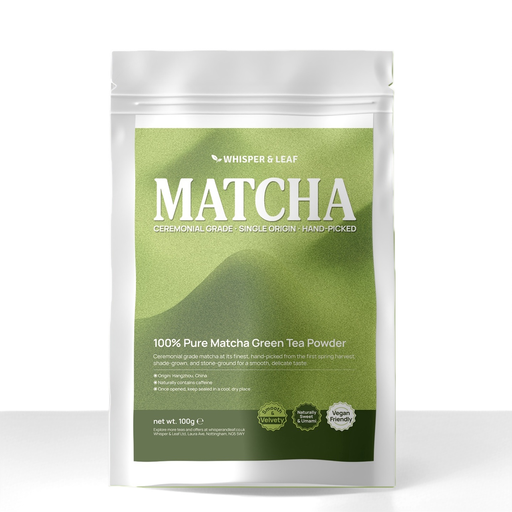 Image unavailable
Whisper and Leaf Ceremonial Grade Matcha Powder, 100g bag
The product description names traditional preparation as well as lattes and smoothies. The listed ingredients are 100% matcha powder; check the pack for the preparation directions and caffeine information relevant to your serving.
View on Joybuy
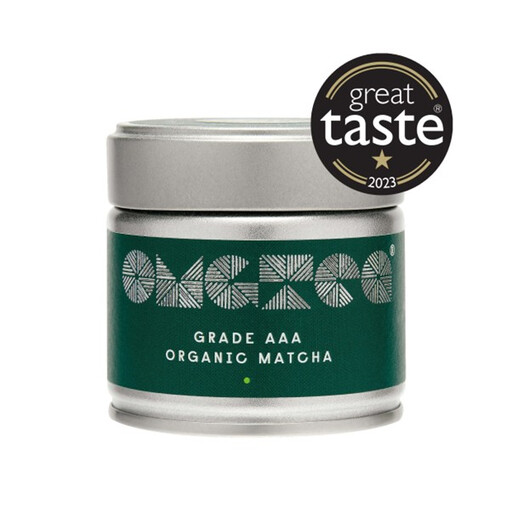 Image unavailable
OMGTea AAA High Grade Organic Matcha, 30g
The description names drinks, smoothies and cooking, making those stated uses relevant if you want one powder for more than one breakfast preparation. It lists 100% organic matcha; check the pack for serving and caffeine guidance. The grade wording does not establish a regulated quality level.
View on Joybuy
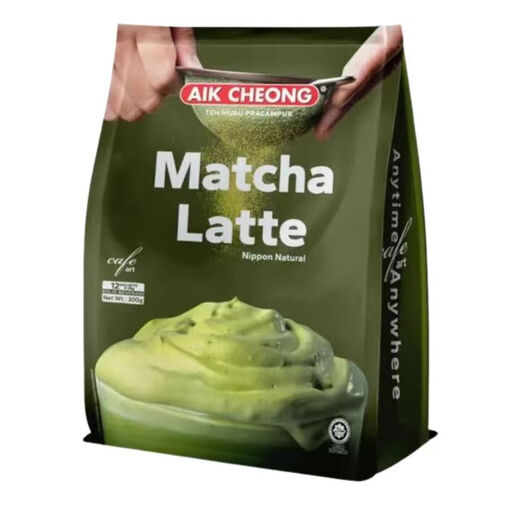 Image unavailable
Aik Cheong Matcha Latte, 12 × 25g sachets
This instant latte blend is a portioned option for a breakfast drink, rather than plain matcha powder. Its listed ingredients include milk powder, sugar and creamer, and the listing warns of possible soy traces. Check the pack’s allergen declaration and caffeine information before use.
View on Joybuy
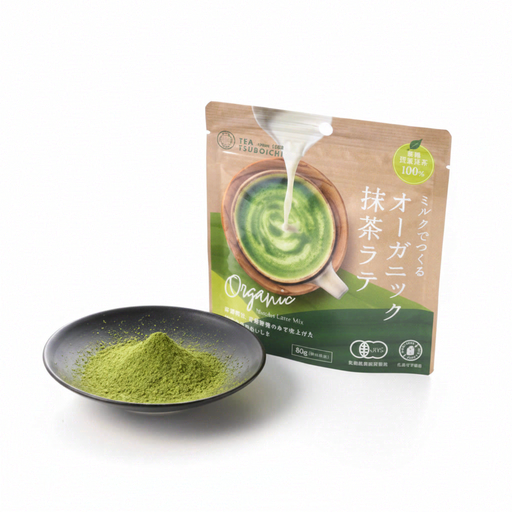 Image unavailable
Tsuboichi Seicha Organic Matcha Latte Mix, 80g
This is described as a latte mix for preparation with hot water or milk. Check the current pack label for its ingredients and sugar content before choosing it: the product descriptions give conflicting accounts of the blend. Follow the pack’s serving and preparation directions.
View on Joybuy
 Image unavailable
Perfectted Matcha Powder, 7 × 1.5g sachets
Seven pre-portioned sachets offer a measured amount of the listed 100% matcha powder. Check the pack’s method for your preferred breakfast drink and its caffeine information per sachet before deciding whether this format suits you.
View on Joybuy
Frequently asked questions
Is ceremonial matcha automatically right for a weekend breakfast?
No. It is worth considering if you mainly whisk matcha with water and want the tea itself to be the focus. JING Tea says grade terms are not strictly regulated, so check the exact product’s intended use, ingredients and preparation instructions.
What should I choose for a breakfast matcha latte?
Start with a matcha described for use with milk or with drinks and recipes. JING Tea positions its latte product for pairing with milk; if you choose a ready-made latte blend instead of plain powder, read its ingredients and allergen information as well.
How should I account for caffeine in matcha?
Use the caffeine information and serving amount for the exact product, rather than assuming all matcha cups contain the same amount. The NHS advises no more than 200mg of caffeine a day during pregnancy; that total includes caffeine from other food and drinks.
Do I need to check ingredients if a pack says matcha?
Yes, particularly if it is a latte mix rather than plain powder: the blend may contain other ingredients. Read the exact pack’s declaration and check anything you add to the drink. The Food Standards Agency says ingredients must be listed on UK prepacked food and allergens present in the product must be emphasised.


