Hosts making matcha lattes to order
Pre-measured powder portions give each person a starting quantity. Loose powder suits a host who is happy to measure and mix each hot or iced drink; use the instructions for the particular powder and recipe.


For a brunch with friends, choose matcha by the drinks and servings you plan rather than starting with a 240-portion box. Pre-measured powder suits a latte station where several people will prepare drinks; loose powder lets you measure each recipe, while matcha-containing tea bags make brewed tea, not a powdered matcha latte. Check the portion size, ingredients and preparation instructions against your guest count.
Pre-measured powder portions give each person a starting quantity. Loose powder suits a host who is happy to measure and mix each hot or iced drink; use the instructions for the particular powder and recipe.
Matcha-containing tea bags suit guests who want brewed green tea without a latte station. For example, Clearspring’s Matcha Sencha contains 97.5% sencha leaves and 2.5% matcha powder and has a 1–2 minute infusion instruction.
Count the drinks you intend to make before choosing a catering pack. Vending Superstore lists Matcha Vista as 100 individual 2g powder portions; that pack count is different from a 240-portion request.
Choose when: Several people will prepare matcha drinks and a measured starting portion will make service easier to repeat.
Bear in mind: Individual sachets create packaging, and a catering pack can leave unused portions after a small brunch.
Choose when: You want to measure powder for different recipes or prepare a smaller number of drinks to order.
Bear in mind: You will need a way to measure and mix each serving consistently.
Choose when: Guests want a straightforward brewed green tea rather than a powdered matcha drink.
Bear in mind: A sencha-and-matcha infusion is not the same drink as a latte made with matcha powder.
| Priority | What to check | Your needs |
|---|---|---|
| Drink style | Read the ingredients and preparation method. Pure matcha powder is mixed into a drink; a matcha-containing tea bag is infused and removed. | If I have promised lattes, I want powder intended for mixing into drinks. For a brewed-tea station, tea bags may be the format I need. |
| Serving count | Compare the number of bags or sachets with your planned drinks. For loose powder, calculate servings using the chosen product’s dose: JING Tea specifies 1.5g for its 160ml traditional cup and 2g for its latte product. | How many drinks might each guest have? I want enough for that plan without treating a pack’s weight or a tea-bag count as an automatic number of lattes. |
| Preparation | Check the product’s liquid quantity, temperature and mixing or infusion instructions. Decide who will measure and prepare drinks while food is being served. | If guests will make their own drinks, pre-measured portions would make the starting quantity clear. If I am making each cup, I can measure loose powder. |
| Ingredients | Check the actual powder or mix and every milk, syrup or topping you plan to use. Keep their packaging available so guests can see the ingredients. | I want guests to know what is in their drink and to have another option if matcha or a recipe addition does not suit them. |
A brewed matcha-sencha blend has different ingredients and preparation from pure matcha powder. Clearspring’s Matcha Sencha, for instance, is predominantly sencha leaves.
Check the ingredient list and method before choosing between a brewed-tea station and drinks made with powder.
Bag counts and powder weights describe different formats. At the 2g dose specified for JING Tea’s latte product, a 100g pouch provides 50 measured doses; that calculation applies only if you follow that dose.
Estimate guest numbers and drinks per person, then use the selected recipe and pack size to work out what to order.
A large pack can leave powder or individually wrapped portions unused after a one-off brunch.
Matcha contains caffeine, while milk, syrups and toppings change the ingredients guests receive. Clearspring estimates approximately 32mg of caffeine in 1g of its dry matcha powder; that is a manufacturer figure for that product, not a measurement of every prepared drink.
Keep the ingredients for your actual recipe to hand, let guests know the drink contains caffeine and offer a caffeine-free alternative.
Clearspring lists both a matcha-sencha tea-bag blend and individually portioned matcha powder.
JING Tea lists a 30g matcha powder for traditional cups and a separate 100g product positioned by the brand for lattes.
Teapigs has a matcha category alongside its wider tea range.
These Joybuy options include portioned latte mixes, matcha powder sachets and a matcha-containing brewed tea. Compare the drink each makes and its pack count with your brunch plan.
 No image available
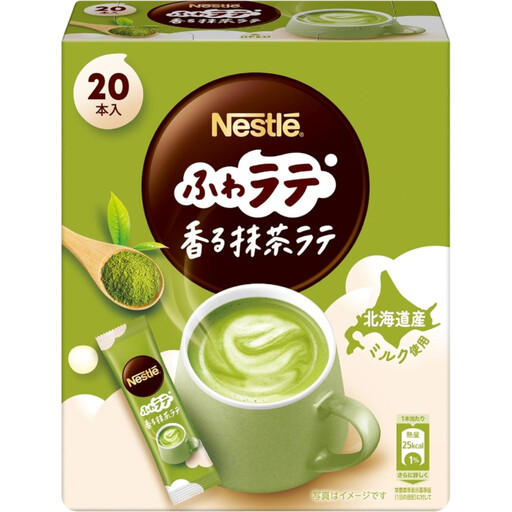
Consider this portioned latte mix if you plan to make drinks for several guests. The pack contains 20 pieces, not 240; check its ingredients for milk and aspartame and confirm caffeine information against the packaging when that matters to guests.
 No image available
The six sachets provide a portioned vanilla latte-mix option for a small group, rather than a 240-portion supply. Check the packaging for oat and gluten information, preparation instructions and caffeine details before serving.
 No image available
Seven measured powder sachets may suit a small, made-to-order matcha station. Check the ingredients and mixing instructions for your intended drink before buying; the pack contains seven portions, not 240.
 No image available
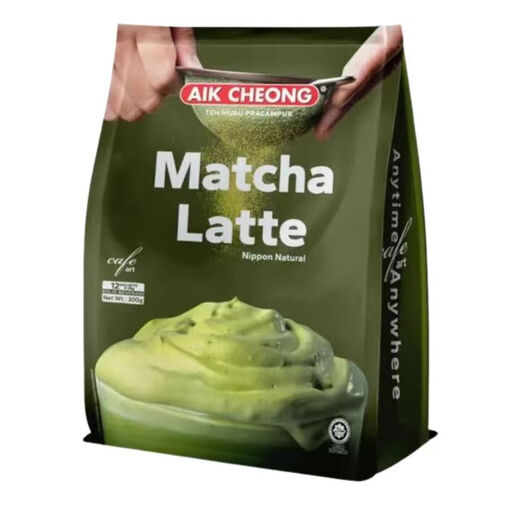
This 12-sachet latte mix is a portioned option for a smaller gathering, not a 240-portion box. Check the packaging for milk and possible soy traces, and follow its liquid-quantity instructions when preparing drinks.
 No image available
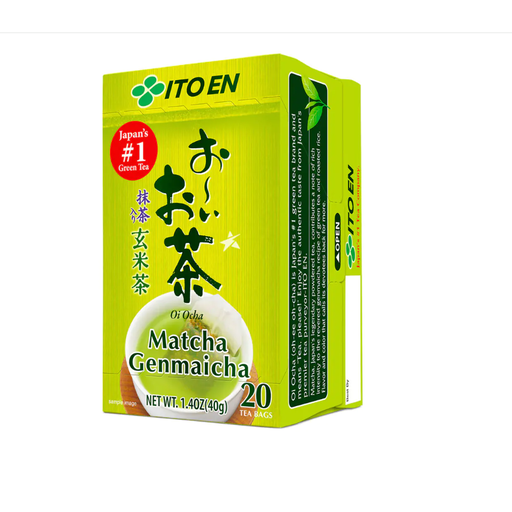
Choose this format for a brewed-tea station rather than lattes made with matcha powder. The pack contains 20 bags; check its brewing directions and ingredients when planning what to serve.
No. Clearspring’s Matcha Sencha tea bag is a brewed blend of 97.5% sencha leaves and 2.5% matcha powder; a latte made with matcha powder uses a different ingredient format and preparation method. Choose according to the drink you intend to offer.
Follow the recipe for the exact product and drink. JING Tea specifies 1.5g for a 160ml traditional cup of its ceremonial matcha and 2g for its latte product, while Vending Superstore lists Matcha Vista in individual 2g portions. One dose should not be assumed to fit every recipe.
Only if its drink format and serving count match your plans. Vending Superstore lists a 100 × 2g matcha powder pack, while Clearspring lists a 20-bag matcha-sencha pack. Work out the drinks you expect to make, then check the contents of the particular box rather than treating different formats as interchangeable.
Keep the packaging for the matcha product and any milk, syrup or toppings you use, so guests can check the ingredients in their actual drink. Ask about allergies before preparing shared recipes, and avoid assuming a plain-powder ingredient list covers every addition.
Yes. Matcha contains caffeine, so let guests know what you are serving and offer a caffeine-free alternative. Clearspring estimates approximately 32mg of caffeine per gram of its dry matcha powder; that manufacturer figure should not be applied as a measured value for every product or prepared drink.