Hosts making matcha lattes
If milk is central to the drink, look for a powder with directions for preparing it with milk. Check whether it is pure matcha or a blend containing other ingredients before serving several guests.


Choose pure matcha for a drink whisked with water, or a milk-oriented powder when brunch calls for lattes. A pure powder can also cover drinks and recipes, while matcha-sencha and matcha-genmaicha make infused tea rather than a whisked matcha drink. Check the exact pack for ingredients, preparation directions and caffeine information before planning portions for guests.
If milk is central to the drink, look for a powder with directions for preparing it with milk. Check whether it is pure matcha or a blend containing other ingredients before serving several guests.
Matcha-sencha loose leaf and matcha-genmaicha sachets offer an infused tea instead of individual whisked servings. Check the blend’s ingredients: a matcha-containing tea is not the same drink as pure matcha powder.
A pure powder gives you one ingredient to use across different preparations. Compare the ingredient list and the maker’s directions before assuming a flavoured portion or tea blend will work in the same way.
Start with the drink you intend to serve: whisked matcha, a milk latte or infused tea. Then check whether the ingredients and serving directions fit the rest of your brunch plans.
Choose it when: The matcha itself will be the focus of a small drink made with water.
Consider: Each serving needs mixing, and the powder’s flavour is not softened by milk. JING Tea specifies 1.5g per 160ml of water at 70°C for its ceremonial product; follow the directions for the powder you buy.
Choose it when: You plan to serve matcha with dairy or plant milk and want preparation directions suited to that drink.
Consider: Latte products differ: some are matcha powder, while portioned mixes can contain sugar, milk powder or flavourings. Check the ingredients for the exact product.
Choose it when: One powder needs to cover drinks and brunch recipes. Clearspring describes its 100% matcha premium powder for both drinks and cooking.
Consider: Use the particular powder’s serving directions; a teaspoon measure does not establish the same amount of matcha or caffeine across products.
Choose it when: A pot or tea bag suits your brunch service better than whisking powder for each person.
Consider: The leaves are infused rather than consumed as a pure matcha drink. Clearspring lists 5% matcha in its matcha-sencha and 2.5% in its roasted-rice genmaicha blend.
| Priority | What to check | Your needs |
|---|---|---|
| Serving format | Check whether the product is powder to whisk, a latte mix to prepare with liquid, or leaves or bags to infuse. Follow its own serving directions. | I’m making individual matcha drinks, milk lattes or a pot of tea for the table; the format needs to suit how I’ll serve them. |
| Flavour with milk | Read the maker’s flavour description and whether it gives milk-oriented directions. JING Tea describes its latte matcha as pairing with milk; that is a brand description, not a taste test. | If milk will lead the drink, I want a product intended for that preparation. For a water-whisked serving, I’d rather choose with the matcha’s own flavour in mind. |
| Ingredients | Distinguish 100% matcha from leaf-tea blends and sweetened or flavoured portions. Read each flavour’s ingredient list and the current pack when dietary suitability matters. | I want to decide separately how much milk, syrup or other flavouring goes into the drink, or know what is already in a portioned mix. |
| Use in recipes | Check for a pure powder and preparation guidance if the same product will go into drinks and food. A tea bag intended for infusion is a different format. | One packet may need to work for brunch drinks and baking, rather than only for a pot of tea. |
| Caffeine per serving | Compare declared caffeine only alongside each product’s stated serving size. Tesco Groceries lists 68mg per 2g serving for its PerfectTed ceremonial powder; that figure does not describe other matcha products. | When matcha is served alongside coffee or other caffeinated drinks, I want to know the amount used in each matcha serving. |
Clearspring’s matcha-sencha contains 95% sencha leaves and 5% matcha; its genmaicha contains roasted brown rice and 2.5% matcha. Both are blends for infusion, not equivalents to whisking pure matcha powder into water.
Choose between a whisked drink and an infused tea first, then check the ingredients and brewing directions for the product you prefer.
A powder described for plain drinking is not automatically the right choice for a milk-led latte. JING Tea gives different preparation contexts for its ceremonial matcha and its latte product.
Match the product directions to the drink: check milk-oriented guidance for lattes and water-preparation guidance for plain matcha.
The vanilla stick in the PerfectTed variety pack listed by Waitrose & Partners contains coconut sugar and natural flavourings as well as matcha. Its ingredients affect what you add when making the drink.
Read the ingredient list for each flavour rather than treating a variety pack as one formulation.
Recipes and allergen information can change. The current product pack matters when serving guests with allergies, intolerances or other strict ingredient requirements.
Check the label on the exact pack you will serve, including each flavour in a mixed pack.
These examples show how differently matcha can be sold, from pure powder to infused blends and prepared drinks; they are not a list of products carried by Joybuy.
Clearspring offers pure matcha powder as well as matcha-containing Japanese tea blends.
JING Tea distinguishes a ceremonial matcha prepared with water from a product described for lattes.
Teapigs has a dedicated matcha category alongside its tea and teaware range.
Waitrose & Partners lists portioned and flavoured matcha products, including a PerfectTed variety-stick pack.
Tesco Groceries lists matcha powders, including a 30g PerfectTed ceremonial product.
M&S describes a prepared matcha-drink option through its café rather than a powder to prepare at home.
These options cover pure matcha powder, an instant latte mix and matcha-containing tea bags for different Sunday-brunch preparations. Compare the ingredient and serving details of the particular product you plan to use.
 No image available
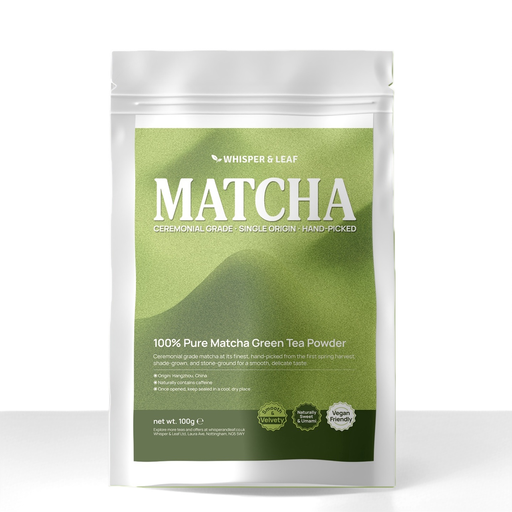
A pure powder to consider when brunch includes whisked drinks or matcha prepared with milk. The product description states 100% matcha and identifies single-origin Yabukita; it also describes uses in lattes and smoothies. Check the pack’s serving directions and caffeine information when planning portions.
 No image available
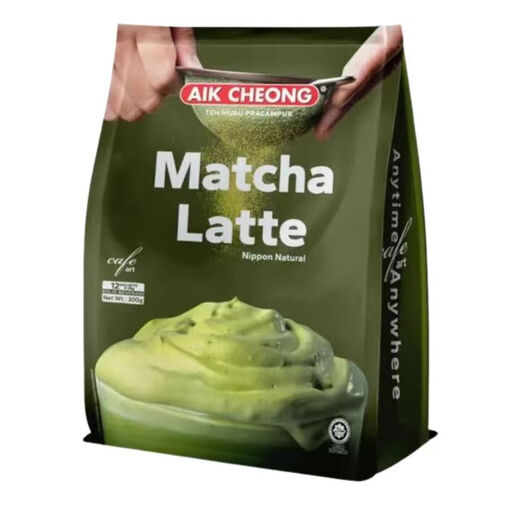
Portioned sachets suit a brunch plan centred on individual matcha lattes rather than plain whisked matcha. The listed mix contains matcha powder, milk powder, sugar and vegetable creamer; it contains milk and may contain traces of soy. Follow the current pack’s mixing directions and check its caffeine information if that affects serving plans.
 No image available
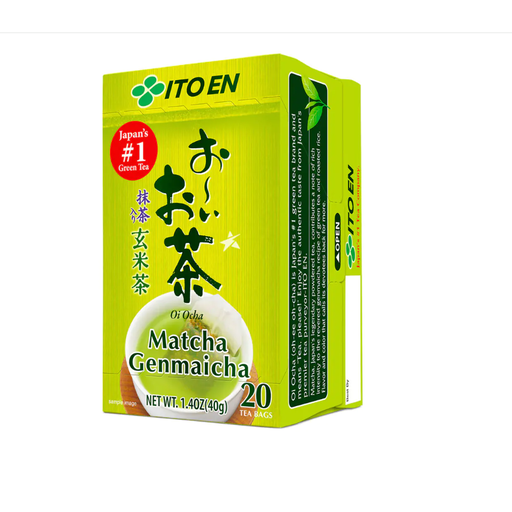
Tea bags offer an infused drink when guests would rather have tea than individual whisked matcha. This blend lists 60% roasted rice and 3% matcha, so it is not pure matcha powder. Check the pack for brewing directions and serving-level caffeine information.
 No image available
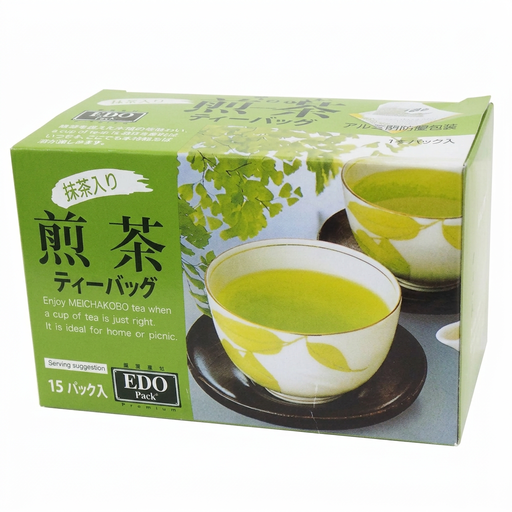
A bagged sencha blend suits a brunch tea infusion rather than a whisked powder drink. Its description states 98% green tea and 2% green tea powder. Check the pack for the bag count, infusion directions and caffeine information before planning servings.
 No image available
Individual sachets provide measured portions of pure matcha for brunch drinks. The listed ingredient is 100% ceremonial-grade matcha, rather than a sweetened latte mix. Check the pack for preparation directions and caffeine per sachet before deciding how to serve it.
No. Choose a powder intended for water-whisked drinking when its own flavour is the focus; for a latte, check milk-oriented directions, and for drinks plus recipes, check a pure powder’s stated uses. Matcha-containing tea leaves or bags are for an infusion rather than a direct swap into recipes calling for powder.
Pure matcha powder is mixed into the drink, while matcha-sencha is an infused leaf-tea blend. Clearspring’s matcha-sencha contains 95% sencha leaves and 5% matcha, so choose it for a pot of tea rather than an equivalent serving of whisked powder.
They can provide individual portions if their ingredients suit the people you are serving. The vanilla stick in the PerfectTed variety pack listed by Waitrose & Partners contains coconut sugar and natural flavourings; read each flavour’s current label before adding milk or other sweet ingredients.
Compare caffeine figures with their stated serving sizes, not by product name alone. Tesco Groceries lists 68mg per 2g serving for its PerfectTed ceremonial powder; that figure cannot be applied to a different powder, sachet or infused tea.