Everyday matcha drinkers
If you alternate between plain drinks, lattes and occasional baking, a powder labelled as 100% matcha gives you one ingredient for those uses. Check the pack size against how often you expect to prepare it.


Choose pure matcha powder if you want to make plain matcha, milk drinks and recipes from one ingredient; choose a latte-focused powder if milk drinks are your main use. A sencha or genmaicha blend makes a brewed tea instead, so check its matcha proportion before treating it as an alternative to powder. Pack size, ingredients and preparation instructions matter more than a grade label alone.
The useful distinction is whether you want matcha powder to mix into a drink or recipe, or tea leaves to steep.
If you alternate between plain drinks, lattes and occasional baking, a powder labelled as 100% matcha gives you one ingredient for those uses. Check the pack size against how often you expect to prepare it.
If most of your matcha goes into milk drinks, a latte-focused powder is worth considering. Check whether it is pure matcha or a mix with other ingredients, and follow its preparation instructions.
If you prefer tea bags or loose leaves, sencha-and-matcha or genmaicha-and-matcha blends offer a familiar brewing method. They contain leaf tea as well as matcha and are not interchangeable with whiskable powder.
Decide how you will prepare the matcha first. Then compare ingredient lists and pack formats within the type you will actually use.
| Priority | What to check | Your needs |
|---|---|---|
| Drink format | Check whether the product is whiskable powder, a latte mix or tea for steeping. Look at its stated preparation method. | I want powder for lattes or recipes, rather than a tea bag that I can only steep. |
| Ingredients | Read the full list for the matcha proportion and any other ingredients. Clearspring lists 5% matcha in its Matcha Sencha loose tea and 2.5% in its Matcha Genmaicha sachets. | If I want to control what goes into my drink, I need to distinguish 100% matcha from a leaf-tea blend or a prepared latte mix. |
| Pack format | Compare net weight for powders, or the bag count and ingredients for brewed teas. Check the preparation amount per drink where stated. | A smaller pack may suit occasional use; for a regular routine, I would check how many drinks the stated preparation amount makes from the pack. |
| Grade wording | Check ingredients and intended use alongside terms such as ceremonial, premium or latte. JING Tea says matcha grading is not strictly regulated. | I would not rely on a grade name alone to tell me whether a powder suits plain drinking, milk drinks or cooking. |
| Preparation | Check the required powder and liquid amounts. JING Tea advises making a paste with a little water before adding more liquid to help avoid clumps. | I want a method that fits the equipment and time I have, without assuming I need a specialist shaker. |
A blend’s total weight includes its other ingredients. Clearspring’s Matcha Sencha loose tea is 95% sencha and 5% matcha; its Matcha Genmaicha sachets contain 2.5% matcha.
Choose between brewing and whisking first, then compare pack sizes among products with a similar format and ingredient composition.
JING Tea notes that matcha grading is not strictly regulated, so a grade word does not establish a uniform specification across sellers.
For plain preparation, check the ingredients and the producer’s instructions. For milk drinks or recipes, choose a powder whose stated uses match what you plan to make.
A latte mix and a 100% matcha powder give you different control over the finished drink because a mix can contain other ingredients.
Read the current ingredient and allergen information, particularly for flavoured or ready-to-mix products.
JING Tea describes a whisk and a shaker as different ways to prepare matcha, rather than equipment that must be bought together.
Try a vessel with room to whisk and make a paste with a little water before adding the rest. Consider other equipment only if its preparation method suits your routine.
These examples show how differently brands use the word “matcha”; a brand name alone does not tell you the ingredients or preparation format.
Clearspring lists both 100% matcha powder and brewed teas that combine matcha with sencha or genmaicha.
JING Tea distinguishes a 100g matcha powder positioned for lattes from a 30g ceremonial-style powder intended for preparation with water.
Teapigs describes its matcha as Japanese green-tea powder within its wider tea range.
These options include matcha powders, a brewed genmaicha tea and a latte mix. Choose by preparation format and ingredients before comparing pack sizes.
 No image available
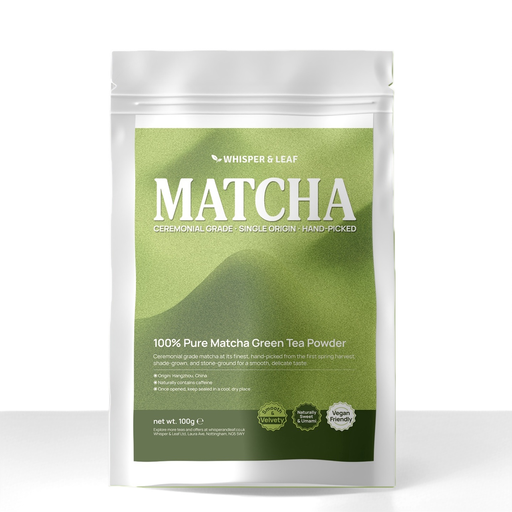
A powder format to consider if you want to prepare matcha drinks rather than steep tea leaves. The title specifies a 100g bag; check the current ingredient list and preparation guidance for your intended drink. “Ceremonial Grade” is part of the product name, not a uniform quality guarantee.
No image available
Choose this tea-bag format if you want a steeped genmaicha-and-matcha drink rather than powder to whisk into a latte. The pack title states 20 bags and 40g total; check the ingredient list if the proportion of matcha matters to you.
 No image available
The individually portioned powder may suit occasional drinks or taking a sachet with you. Seven 1.5g sachets contain 10.5g in total; check the pack instructions for the liquid amount you intend to use.
 No image available
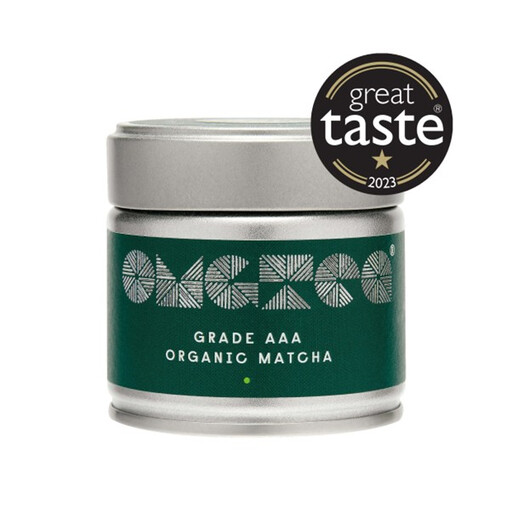
This 30g matcha powder is a smaller pack to consider for drinks or cooking. Check its current ingredients and preparation directions; the grade wording in its name does not establish a standard shared by other brands.
 No image available
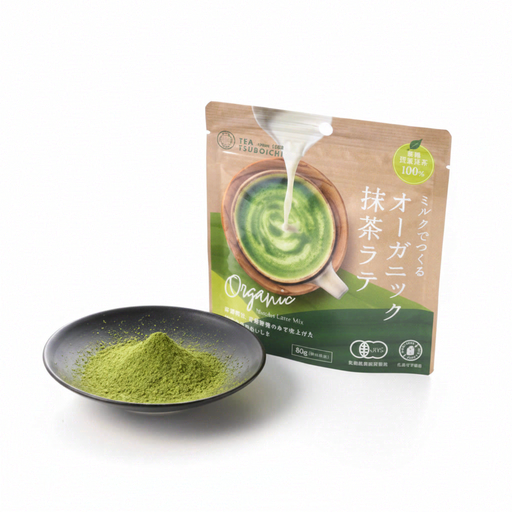
This 80g latte mix is a different choice from plain matcha powder. Its listed ingredients include sugars and matcha; check the current pack if you want to control the ingredients in your drink.
No. Clearspring lists its Matcha Sencha loose tea as 95% sencha and 5% matcha, and its Matcha Genmaicha sachets as 68.25% sencha, 29.25% roasted brown rice and 2.5% matcha. Both are brewed teas, not substitutes for 100% matcha powder in a latte or recipe.
Start with how you will use it, then check ingredients and preparation guidance. JING Tea describes ceremonial matcha as intended for drinking with water and culinary matcha as intended for recipes and mixed drinks, but notes that grading is not strictly regulated.
No specialist tool is essential, according to JING Tea’s preparation guidance. A whisk and a shaker offer different preparation methods; making a paste with a little water before adding the remaining liquid can help avoid clumps.
The amount depends on the powder and how much you use. Clearspring states that 1g of its dry Premium Grade matcha contains approximately 32mg of caffeine; check the particular product and your serving amount rather than applying that figure to every blend or drink.
Read the current ingredient and allergen information, especially for latte mixes and flavoured products. Check how much matcha a tea blend contains and whether its directions call for steeping, whisking or simply mixing with liquid.