Students making one hot drink at a time
Tea bags suit a shared kitchen when a cup and hot water are easier to manage than measuring and mixing powder. Check the brewing directions for the particular blend.


For a student moving in, choose tea bags for straightforward, one-cup hot drinks or matcha powder if they want to measure and mix drinks or use it in recipes. Buy a 240-count box only if its listing confirms 240 units of the intended matcha product and explains the pack breakdown: “240” can also describe a volume in millilitres, not a bag count.
The intended drink and the number of people using the pack matter more than a large number in the listing title.
Tea bags suit a shared kitchen when a cup and hot water are easier to manage than measuring and mixing powder. Check the brewing directions for the particular blend.
Look for a product explicitly sold as matcha powder rather than assuming a matcha-labelled tea bag contains pure powder. Clearspring, for example, sells powder separately from its Matcha Sencha tea-bag blend.
Agree on the intended product and quantity before buying in bulk. Tesco lists matcha products in bags, sachets and 240ml concentrate formats, so the unit beside “240” needs checking.
Choose the drink format first, then compare ingredients, preparation and the quantity stated on the pack.
Choose when: The student wants a brewed hot drink without measuring powder.
Trade-off: A tea bag may be a green-tea blend rather than pure matcha; ingredient proportions differ between products.
Choose when: The student wants powder for mixed drinks or recipes and is willing to measure and mix it.
Trade-off: A powder weight cannot be treated as a fixed number of drinks without a serving amount.
| Priority | What to check | Your needs |
|---|---|---|
| Pack quantity | Read the unit beside the number: bags, sachets, grams or millilitres. For a multipack, confirm the number in each inner pack and the total. | I’m stocking a shared kitchen and need to know whether the order contains 240 portions of the intended product. Tesco also lists 240ml matcha concentrates; that figure is a volume, not a bag count. |
| Ingredients and form | Check whether it is pure powder, a brewed blend or a prepared-drink mix. Clearspring lists 2.5% matcha in Matcha Sencha; Twinings lists 15% in Super Green Matcha. | For recipes or a drink made from matcha powder, I would choose powder rather than assume that a matcha-labelled tea bag is equivalent. |
| Preparation | Read the instructions for the exact product and check what equipment is needed. Clearspring gives a 1–2 minute infusion for its Matcha Sencha tea bags. | A cup of brewed tea may fit a shared kitchen more easily; I’d only choose powder if measuring and mixing suits my routine. |
| Storage and use | Check the pack’s storage instructions and best-before information, especially for a quantity intended to last beyond moving-in week. | If several flatmates will share it, I want a quantity we expect to use and somewhere suitable to keep it. |
Tesco lists matcha concentrates labelled 240ml. That describes liquid volume, not 240 tea bags.
Check the unit and any multipack breakdown on the product page before treating the number as a count of matcha bags or sachets.
Clearspring Matcha Sencha lists 97.5% sencha and 2.5% matcha, while Twinings Super Green Matcha lists 84% green tea and 15% matcha. Neither ingredient list describes pure matcha powder.
Compare the ingredients and product form with the drink or recipe you intend to make.
A student who expects powder for mixed drinks may not want brewed tea bags, and a powder pack requires a different preparation routine.
Try a smaller pack of the intended format before committing to a large shared supply; then check how quickly it will be used.
These product lines illustrate differences between bagged blends and powder; their inclusion does not establish a 240-bag option.
Clearspring lists Matcha Sencha as a 20-bag, 36g tea-bag blend and also lists matcha powder products separately.
Pukka Herbs UK lists Supreme Matcha Green in 20-tea-bag and 40-pack formats.
Twinings UK lists Super Green Matcha as 20 envelopes or 4 × 20 envelopes.
These options include counted tea-bag packs, portioned powder and latte sachets, and a 100g powder bag. Compare each stated pack size and product form with the plan for a 240-bag shared supply.
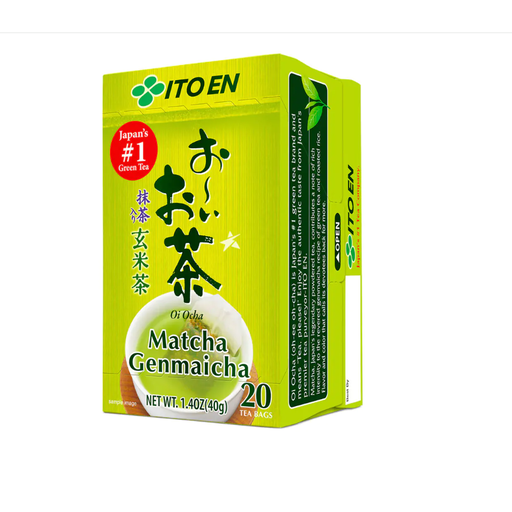 Image unavailable
A counted tea-bag pack for one-cup drinks rather than a 240-bag supply. Check the ingredients and brewing directions if the student has a particular matcha drink in mind.
 Image unavailable
Seven pre-portioned powder sachets offer a different format from brewed tea bags. Check the pack’s preparation directions for the drink you plan to make; this is not a 240-count box.
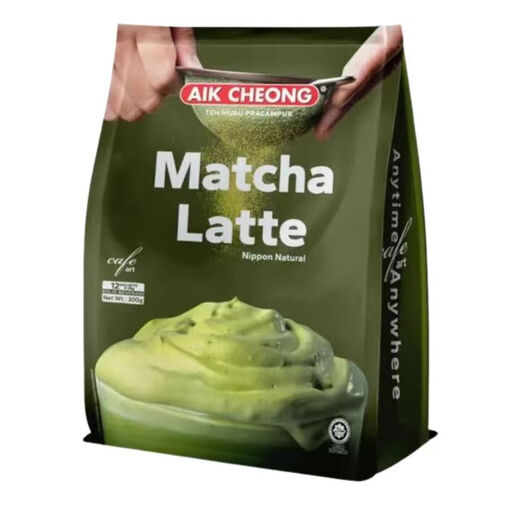 Image unavailable
This is a 12-sachet latte product, not a box of matcha tea bags or a 240-count pack. Check the ingredient and allergen information if the contents of a latte mix matter to your household.
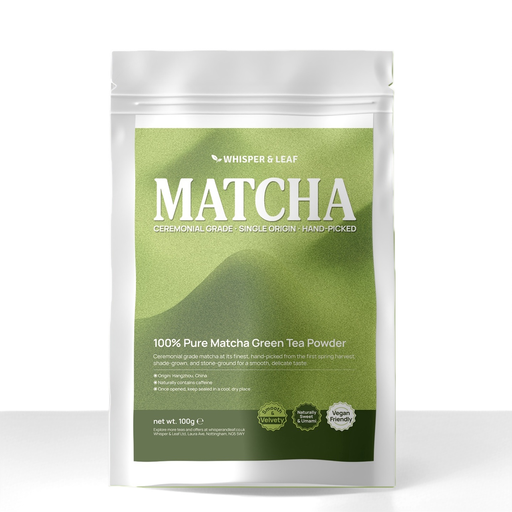 Image unavailable
A powder bag suits someone willing to measure and mix each drink. The stated 100g weight is not a bag count or a stated number of servings; use the pack’s serving directions when planning how long it may last.
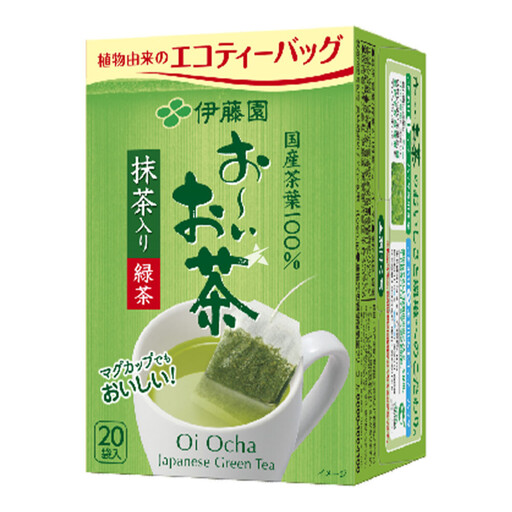 Image unavailable
This counted green-tea-with-matcha pack is a smaller tea-bag option, not a 240-bag box. Check the ingredients and preparation directions if the blend needs to suit a particular drink.
No. A tea bag may contain a green-tea blend with matcha: Clearspring lists 2.5% matcha in Matcha Sencha, while Twinings lists 15% in Super Green Matcha. Check the ingredients and product form if the matcha is intended for mixed drinks or recipes.
A tea-bag blend avoids measuring powder. Follow the directions for the chosen product: Clearspring says to let boiled water cool for a minute before infusing its Matcha Sencha bag for 1–2 minutes.
No. Tesco lists 240ml matcha concentrates; millilitres measure liquid volume, not a number of bags. To plan a 240-bag purchase, check that the listing gives a bag or sachet count and the exact multipack breakdown.