What matters when choosing matcha?
Choose for the drink you will actually serve, then check the pack and preparation method against the number of servings you plan to make.
| Priority | What to check | Your needs |
|---|
| Tea flavour |
Check the producer’s intended use and flavour description. Clearspring describes its Premium Grade as concentrated and suitable for lattes; JING positions its Ceremonial Latte Matcha for lattes. |
I want to taste the matcha alongside milk, ice or flavourings, so I need to try the complete recipe rather than rely on a grade name. |
| Pack format |
Compare the stated pack weight with your planned servings and each producer’s directions. Clearspring lists Premium Grade in 40g, 100g and 1kg formats; JING lists Ceremonial Latte Matcha in 100g. |
For repeated service, I need enough powder for the planned menu without choosing a larger pack solely because of its grade. |
| Preparation |
Check the product’s mixing directions and what equipment, water and cleaning space you can use. Clearspring’s Ceremonial Grade directions start with 1g and 30ml of hot water. |
I need a method I can repeat at the stall while keeping the drink consistent from one serving to the next. |
| Drink ingredients |
Record the ingredients in each finished recipe, including drink bases, syrups and toppings. If operating as a food business, follow the allergen-information requirements for how the drinks are presented. |
If I change a milk alternative or topping, I need to check the information given for that version of the drink. |
| Outdoor storage |
Plan how to keep ingredients that normally need refrigeration cool. Food Standards Scotland advises using a cool box or bag with cold sources distributed throughout for event use. |
My chilled ingredients need suitable storage throughout the time I am preparing and serving drinks. |
Joybuy matcha options
These powders and sachets offer different pack formats for preparing matcha refreshments. Taste your intended latte or iced-drink recipe before deciding which flavour works for the stall.
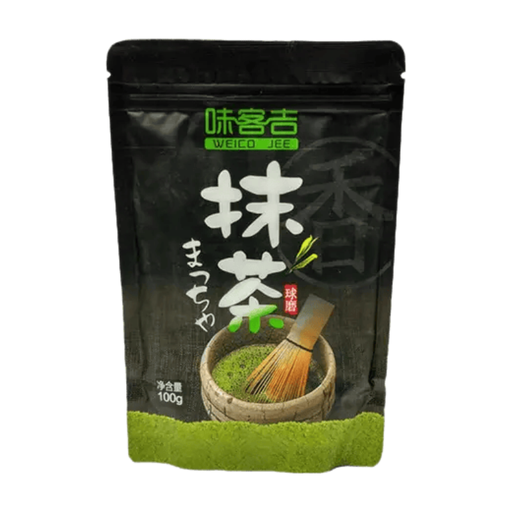 No image available
WKJ Matcha Powder 100g
The 100g format is worth considering for repeated drink preparation. Test the finished recipe with your chosen milk, ice or flavourings to judge its tea flavour.
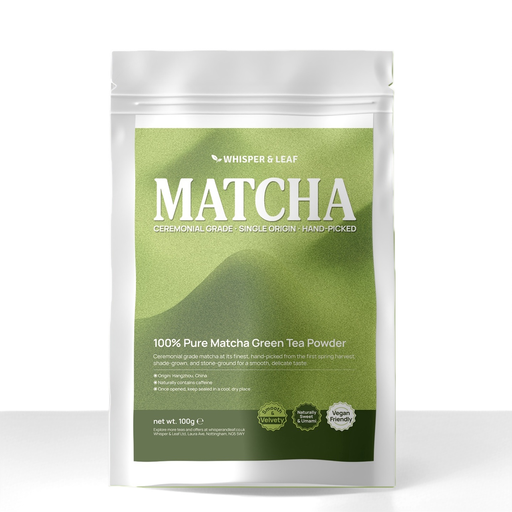 No image available
Whisper and Leaf Ceremonial Grade Matcha Powder 100g Bag
For a simpler, water-led serving, consider this 100g ceremonial-grade bag. Its grade does not establish how pronounced the tea flavour will be in a latte, so test that recipe separately.
 No image available
Perfectted Matcha Powder Sachets 7 × 1.5g
Seven 1.5g sachets provide individual portions for a small number of drinks. Work out how many packs your planned service requires, and test the sachets in any milk- or syrup-based recipe.
Questions about serving matcha
Does ceremonial matcha make a stronger latte?
Not necessarily. Clearspring describes its Ceremonial Grade as smooth, while positioning its Premium Grade for lattes and other recipes. For a drink with milk or ice, choose by intended use and taste the finished recipe rather than treating the grade as a strength score.
How much matcha should I start with?
Use the directions for the particular powder. Clearspring’s Ceremonial Grade directions start with 1g mixed with 30ml of hot water; JING’s ceremonial directions specify 1.5g for a 160ml cup with water at 70°C. Neither is a universal dose for a latte or a batch of iced drinks.
Must I register to sell matcha drinks at a car boot sale?
The answer depends on your activity and location, so ask the relevant local authority before trading. GOV.UK and Food Standards Agency guidance says food activity in England, Wales and Northern Ireland may require registration, while very limited, infrequent activity may not. Food Standards Scotland similarly distinguishes occasional serving from regular, organised provision. Where registration is required, the official guidance says to do it at least 28 days before food operations start.
What allergen information does a matcha stall need?
If you operate as a food business, account for the finished drink, not just its matcha powder. Food Standards Agency guidance requires allergen information for prepacked and non-prepacked food and drink in England, Wales and Northern Ireland; Food Standards Scotland also requires food businesses to make allergen information available, with requirements depending on presentation. Check every drink base, syrup and topping, and manage cross-contact during preparation.
How should I keep milk-based drinks cool outdoors?
Plan cool storage for ingredients and drinks that normally need refrigeration. Food Standards Scotland advises using a cool box or bag with ice, frozen gel packs or frozen drinks distributed throughout for event use.


