Hosts serving guests with different caffeine preferences
Offer a clearly named alternative alongside ordinary matcha, rather than treating every green powder as the same drink.


Serve standard matcha to guests who want a caffeinated green-tea drink; JING Tea estimates around 60–70 mg of caffeine in a typical serving made with 1–2 g of powder. If you want to offer another option, distinguish decaffeinated tea matcha from a naturally caffeine-free powder such as Clearspring Kuwa Matcha, which is made from mulberry leaves rather than tea. Check a decaf product’s remaining caffeine per serving when that matters to a guest, and check the current ingredients and milk choice before making lattes.
A coffee-morning menu can offer different green drinks, provided guests can tell which contain tea and caffeine.
Offer a clearly named alternative alongside ordinary matcha, rather than treating every green powder as the same drink.
Ordinary matcha contains caffeine. Anyone who needs to keep track of their intake will need the caffeine information for the drink and the amount of powder used.
Check the powder’s current ingredients and the milk you plan to serve. A flavoured mix can differ substantially from plain matcha, and milk choices matter when guests have allergies.
Start with whether the powder is tea matcha, decaffeinated tea matcha or a different plant powder. Then compare caffeine information using the stated serving size and check what else goes into each drink.
| Priority | What to check | Your needs |
|---|---|---|
| Standard matcha | Check the amount of green-tea powder per drink. JING Tea estimates around 60–70 mg caffeine for a typical matcha serving made with 1–2 g; that estimate is not a measurement of every powder or recipe. | I want to serve conventional tea matcha, and my guests are comfortable choosing a caffeinated drink. |
| Decaf matcha | Check the product’s caffeine statement and serving size. Enle describes its Decaf Matcha as “98% Caffeine Free”; that claim does not state the remaining milligrams per prepared drink. | I want to keep tea matcha on the menu but offer guests an option sold as decaffeinated. If someone needs a strict caffeine limit, I need a current per-serving figure. |
| Caffeine-free alternative | Check the plant ingredient rather than the word “matcha” alone. Clearspring describes Kuwa Matcha as naturally caffeine-free and lists 100% organic Japanese mulberry leaf powder, not green tea. | A caffeine-free green drink matters more to me than serving conventional tea matcha. I can name the mulberry-leaf drink clearly for guests. |
| Latte ingredients | Read the current powder label for added ingredients, matcha proportion and caffeine per stated serving. Tesco lists PerfectTed Pistachio with coconut sugar, 30% matcha and flavourings, and declares 43 mg caffeine per 5 g serving. | I want a flavoured latte, but I do not want guests to mistake a sweetened, caffeinated mix for plain or decaf matcha. |
| Milk and allergens | Check the pack being used and each milk offered; keep ingredients clear and take care with shared utensils. Waitrose cautions that product recipes can change, while Food Standards Agency guidance addresses allergen controls and cross-contact. | If a guest tells me about an allergy, I need to know what is in their drink and how it will be prepared. |
Green-tea matcha contains caffeine; Clearspring Kuwa Matcha is a caffeine-free mulberry-leaf powder. The names describe different ingredients as well as different caffeine expectations.
Name each drink by its ingredient—such as matcha green tea, decaf matcha or a mulberry-leaf latte—and keep its pack available for guests to check.
Enle’s “98% Caffeine Free” claim describes its decaf matcha but does not give the remaining caffeine in milligrams per prepared serving.
If a guest needs a specific caffeine figure, check the current pack or ask the manufacturer before serving that product. A drink identified as naturally caffeine-free is a different option, not decaffeinated tea matcha.
Tesco lists PerfectTed Pistachio as a mix containing coconut sugar, 30% matcha and flavourings, with 43 mg caffeine per 5 g serving. Those details do not describe a 100% matcha powder.
Compare the ingredient list, matcha proportion and caffeine declaration with the kind of drink you intend to offer.
Waitrose warns that recipes can change. The milk chosen and any shared preparation equipment also matter to a guest avoiding an allergen.
Read the pack you are using, identify the milk in each drink and take care to avoid cross-contact during preparation.
These examples help distinguish tea matcha, other green powders and prepared latte mixes; a brand’s matcha range is not, by itself, a decaf range.
Its two named powders illustrate the difference between green-tea matcha and a caffeine-free alternative.
Teapigs has a UK matcha shopping category.
JING Tea provides general guidance on caffeine in conventional matcha.
M&S describes matcha café drinks made with a choice of dairy, oat, coconut or soya milk.
A Waitrose listing shows why a flavoured matcha powder needs to be checked by serving and ingredient list.
A Tesco listing provides another example of a flavoured, caffeinated matcha mix.
These options cover roasted matcha and portioned matcha latte mixes for a coffee-morning menu. Check each drink’s caffeine information before offering it as an option for guests limiting caffeine.
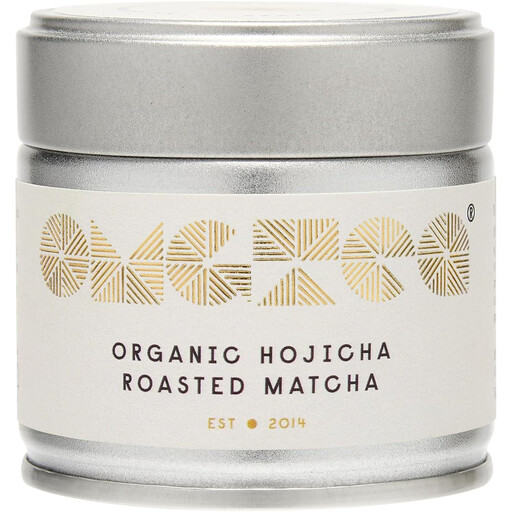 No image available
A roasted matcha option for a tea-based drink at a coffee morning. It is described as lower in caffeine, not as decaffeinated or caffeine-free; check the amount of powder used and the caffeine in the prepared drink.
 No image available
An instant ginger-flavoured matcha latte mix supplied as 10 portions. It contains caffeine and is not a decaf option; check the current pack for caffeine per serving and allergens before serving guests.
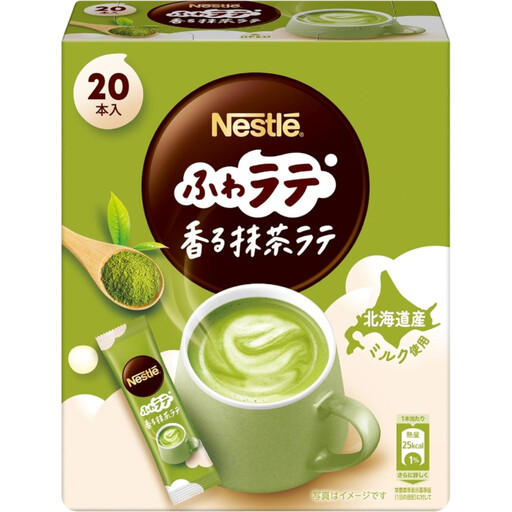 No image available
A portioned matcha latte format for serving individual drinks. It is not presented as decaffeinated; check the current pack for caffeine per serving and ingredients, including allergens.
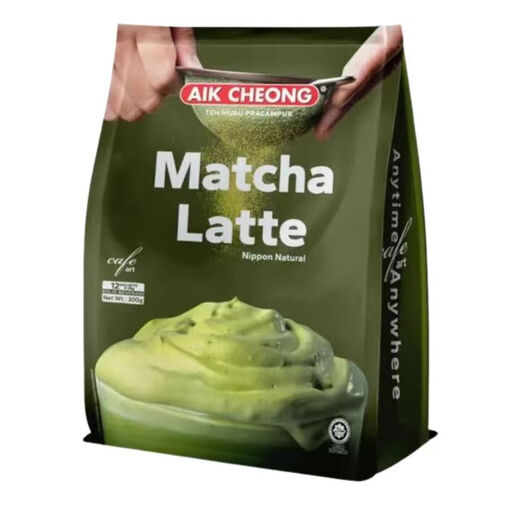 No image available
Individual 25 g sachets provide a portioned instant matcha latte option. Check the current pack for its caffeine information and allergens before choosing it for guests with particular requirements.
No. Matcha made from Camellia sinensis naturally contains caffeine. JING Tea estimates around 60–70 mg in a typical serving made with 1–2 g of powder; check the particular drink and serving size rather than using that estimate as a product declaration.
Not necessarily. Enle describes its Decaf Matcha as “98% Caffeine Free”, which does not give the remaining caffeine in milligrams per prepared serving. Check the current pack or ask the manufacturer for that figure if a guest needs it.
You can use a powder identified as naturally caffeine-free, but tell guests what it is. Clearspring says its Kuwa Matcha is 100% Japanese mulberry leaf powder and can be used in lattes; it is not green-tea matcha.
Tell them whether the drink contains tea matcha and share its caffeine information if available. The NHS advises pregnant people not to have more than 200 mg of caffeine a day from all sources; an individual drink cannot establish their total daily intake.
Check the current powder pack, the milk used and how the drink will be prepared. Food Standards Agency guidance addresses allergen controls and avoiding cross-contact; keeping ingredients clear and taking care with shared utensils helps guests understand what is being served.