Staffed refreshment stations
Teams making lattes or whisked matcha to order need a repeatable measure, a workable mixing method and a plan for milk choices. JING Tea and Clearspring both publish preparation measures for their powders.


Choose matcha powder when staff can measure and mix drinks to order; choose a matcha-and-green-tea infusion when delegates will serve themselves brewed tea. Portioned sachets can suit smaller stations, but check whether each variant is plain or flavoured, how it is prepared and what allergen information the finished drink needs.
Teams making lattes or whisked matcha to order need a repeatable measure, a workable mixing method and a plan for milk choices. JING Tea and Clearspring both publish preparation measures for their powders.
Planners serving many delegates without a drinks attendant can consider tea bags or loose-leaf matcha blends. These are brewed as tea, rather than prepared as a whisked matcha drink.
Caterers serving flavoured mixes, milk or other additions need current ingredient records and a way for attendees to obtain allergen information for the drink they receive.
Start with the drink promised on the menu, then check whether the preparation method works at the planned service pace.
| Priority | What to check | Your needs |
|---|---|---|
| Service pace | Compare brewing with the measuring and mixing required for powder. Check staff, equipment and a repeatable recipe before planning made-to-order drinks. | I need delegates to get a drink without a queue building at the break. If the station is unattended, a brewed-tea format may be easier to organise than powder mixed to order. |
| Drink format | Read the ingredients rather than relying on the word “matcha”. Clearspring lists its Matcha Sencha as 95% sencha and 5% matcha, while its Premium Grade powder lists 100% matcha. | If the menu promises a matcha latte, I need a preparation method for a powder-based milk drink. If it promises green tea with matcha, a brewed blend describes a different offer. |
| Portions and mixing | Follow the exact product directions and trial the planned serving size. JING Tea specifies 2g powder with 40ml water at 80°C for its latte matcha; the Waitrose-listed PerfectTed variety sticks are mixed with 200ml milk. | For a small breakout room, I may prefer individual portions. I still need to know who will supply the liquid and mix each drink. |
| Ingredients and allergens | Check each plain or flavoured variant and every milk, syrup or topping used. GOV.UK and Food Standards Scotland say food businesses must provide allergen information for prepacked and non-prepacked food and drink. | I want delegates to know what is in their drink, especially when a flavoured mix or a choice of milks changes the finished recipe. |
| Caffeine choice | Identify matcha as a caffeinated option. Clearspring estimates approximately 32mg of caffeine per 1g of its dry matcha powder; that figure should not be applied to a different product or serving. | I need another refreshment option for attendees who do not want caffeine, rather than treating matcha as the only tea-break drink. |
Clearspring Matcha Sencha contains 95% sencha and 5% matcha; Clearspring Premium Grade powder lists 100% matcha. They call for different preparation and should not be described as the same drink.
Decide whether the menu offers a latte, whisked matcha or green tea with matcha, then check that the selected format matches the wording.
The Waitrose-listed PerfectTed variety pack includes plain matcha and flavoured sticks; its vanilla ingredients include coconut sugar and flavourings.
Check ingredients by variant and keep plain and flavoured options distinct in ordering and menu information.
JING Tea, Clearspring and the Waitrose-listed PerfectTed sticks all give preparation directions involving measured ingredients and mixing. A recipe that works for one serving still needs to be practical at the planned service volume.
Trial the actual recipe and decide whether staff can use a whisk, shaker or blender during the break.
Powder-based service may also require staff time and mixing equipment at the station.
Ingredients and allergen details can change, while the information given to attendees needs to reflect the drinks being served.
Check current packs or supplier specifications for the matcha product and all additions, and make that information accessible to serving staff.
Its matcha powder and Matcha Sencha illustrate the difference between a powder-based drink and brewed green tea containing matcha.
JING Tea offers separate matcha products with directions for milk-based service and for whisking with water.
Teapigs has a trade channel aimed at hospitality businesses considering their tea-service arrangements.
Its listed products include examples of both brewed matcha blends and portioned matcha sticks.
Tesco lists matcha powders and flavoured products, offering a grocery-channel reference for comparing formats.
These options cover brewed matcha tea, portioned latte mixes and a prepared oat-matcha drink. Choose by the service you can run and check the current pack before finalising ingredients, portions and allergen information.
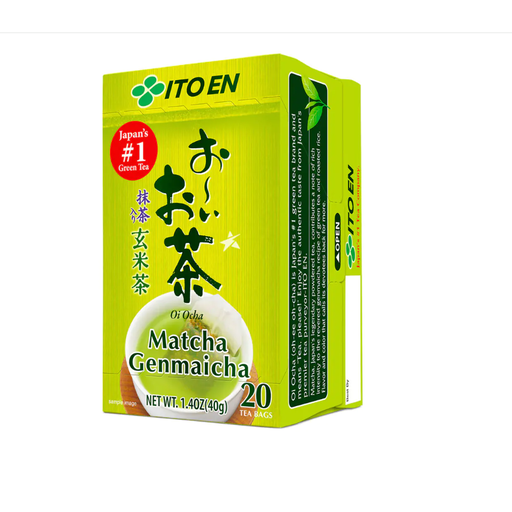 No image available
The tea-bag format suits a self-service brewed-tea break rather than a whisked latte. Establish a brewing method for the event and check the current pack for ingredient and allergen information.
 No image available
These vanilla sachets offer individual portions for a smaller latte station. They are not a plain-matcha choice; check the current ingredients, allergen declaration and mixing directions before setting the menu.
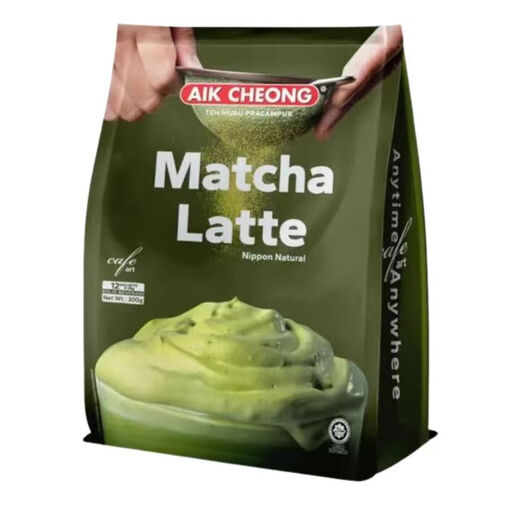 No image available
The sachet format provides defined portions for a latte-style service. Check the current ingredient and allergen details, then trial the liquid amount and preparation method before planning servings.
 No image available
Individual sachets may work for a small oat-matcha station. Check the current pack to establish the matcha ingredient, preparation directions and allergen information before describing or serving the drink.
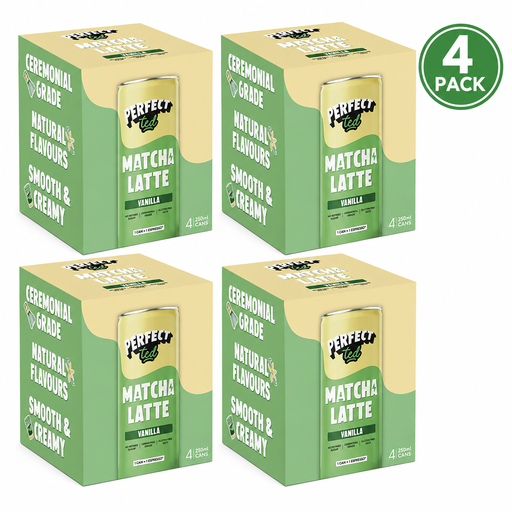 No image available
This prepared vanilla oat-matcha drink fits a chilled service that does not mix powder at the station. Check the individual serving volume, current ingredients and allergen information when planning quantities and menu wording.
A tea-bag or loose-leaf matcha blend can be brewed as tea without a powder-mixing station. The Waitrose-listed Twinings blend calls for at least three minutes of infusion; Clearspring Matcha Sencha calls for one heaped teaspoon per person and a 1–2 minute infusion. Neither should be presented as a whisked matcha latte.
Yes, if staff use a defined recipe and mixing method. Clearspring says its Premium Grade powder is 100% matcha and directs users to whisk 1g into 30ml hot water or another drink; trial the chosen milk recipe at the serving size planned for the event.
No. The Waitrose-listed PerfectTed variety pack includes plain matcha and flavoured sticks, with coconut sugar and flavourings listed for its vanilla variant. Check each variant before calling a drink plain or unsweetened.
GOV.UK and Food Standards Agency guidance dated 17 July 2026 states that food businesses must provide allergen information for prepacked and non-prepacked food and drink and manage allergens during preparation; Food Standards Scotland states the same core requirements for Scotland. Keep current information for the matcha product, chosen milk and any additions accessible to serving staff.
Offer another choice for attendees avoiding caffeine. Matcha contains caffeine: Clearspring estimates approximately 32mg per 1g of its dry matcha powder, a figure that should not be applied to every blend or prepared drink.