Matcha drinkers managing caffeine
If a whisked matcha or latte is part of your afternoon tea, a measured portion lets you account for its caffeine alongside other drinks and foods.


For an afternoon drink without caffeine, choose a powder made from a naturally caffeine-free plant, such as mulberry leaf, rather than traditional matcha. If you want green-tea matcha, measure the powder and account for its caffeine; if you prefer a brewed cup and only want to reduce caffeine, decaffeinated tea is another option, though traces may remain. Check ingredients carefully when a caffeine-free claim appears alongside green tea or matcha.
If a whisked matcha or latte is part of your afternoon tea, a measured portion lets you account for its caffeine alongside other drinks and foods.
If you want a green powder to prepare without using tea leaves, a mulberry-leaf powder offers a different ingredient and a matcha-style preparation. It is not traditional matcha.
If a conventional cup matters more than matcha’s powdered format, decaffeinated tea may suit you when trace caffeine is acceptable.
Start with whether you need to avoid caffeine or simply reduce it, then choose the ingredient and drink format that fit your afternoon tea.
| Priority | What to check | Your needs |
|---|---|---|
| Ingredient | Read the plant ingredient: traditional matcha is ground green tea; Clearspring describes its caffeine-free Kuwa Matcha as 100% mulberry leaf. | I want a whiskable green powder without using green-tea leaves, and I am comfortable with a different ingredient and flavour. |
| Serving size | Measure the matcha powder. Clearspring states approximately 32 mg caffeine per 1 g of its ceremonial matcha and gives 1 g as a preparation amount; do not apply that figure to every product. | Traditional matcha matters to me, but I need to count an afternoon serving alongside my other sources of caffeine. |
| Brewed tea | Distinguish decaffeinated tea from herbal infusions. JING Tea explains that decaf tea can retain trace caffeine, whereas infusions made without tea leaves do not start with tea-leaf caffeine. | A familiar brewed cup suits me better than a powder. If I need to avoid caffeine entirely, I will check the herbal ingredients rather than assume decaf means none. |
| Pack wording | Compare caffeine claims with the current ingredient list. A Waitrose listing describes a blend as naturally caffeine-free while listing green tea (98%) and matcha (2%). | When a claim and the ingredients appear to conflict, I need clarification from the manufacturer before choosing the drink for strict caffeine avoidance. |
Clearspring’s Kuwa Matcha is made from mulberry leaf, so it is a different ingredient from its green-tea matcha.
Read the ingredient list before choosing between a matcha-style powder and traditional matcha.
Decaffeinated tea can retain traces of caffeine after processing, according to JING Tea.
If avoiding caffeine entirely is essential, check for a product made from a naturally caffeine-free non-tea plant and confirm its ingredients.
The amount of powder affects the caffeine in the drink. Clearspring states approximately 32 mg per 1 g of its ceremonial matcha.
Measure the portion you use and account for caffeine from other drinks and foods as relevant.
A Waitrose listing calls a green-tea and matcha blend naturally caffeine-free despite listing both tea ingredients.
Check the current pack and ask the manufacturer to clarify its caffeine content before selecting it for strict caffeine avoidance.
Its green-tea matcha and mulberry-leaf Kuwa Matcha illustrate two different powder ingredients.
Its tea information distinguishes matcha, decaffeinated tea and herbal infusions.
Its food information describes matcha as ground green-tea leaves, while its decaffeinated tea bags offer a separate brewed-tea format.
Its tea categories separate matcha from decaffeinated tea.
One green-tea blend listing calls the product naturally caffeine-free while declaring green tea and matcha as ingredients.
These options cover herbal infusions, decaffeinated black tea and a roasted tea powder. They offer different afternoon-drink formats rather than interchangeable versions of traditional matcha.
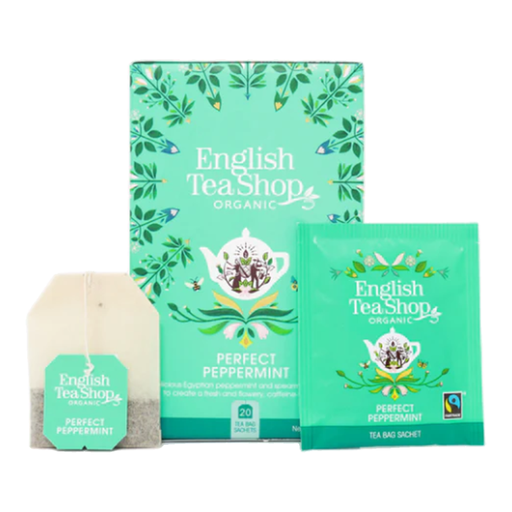 No image available
A brewed herbal option rather than matcha powder. The listing describes it as caffeine-free; check the current ingredients if avoiding caffeine entirely is essential.
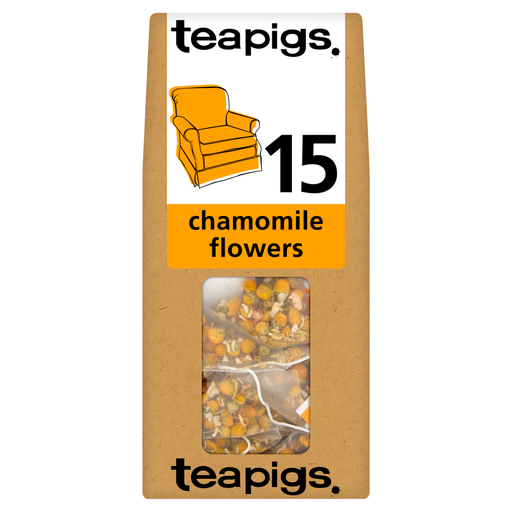 No image available
These chamomile tea bags make a brewed herbal infusion, not a matcha drink. The listing describes the infusion as caffeine-free; check the current pack if that is essential to your choice.
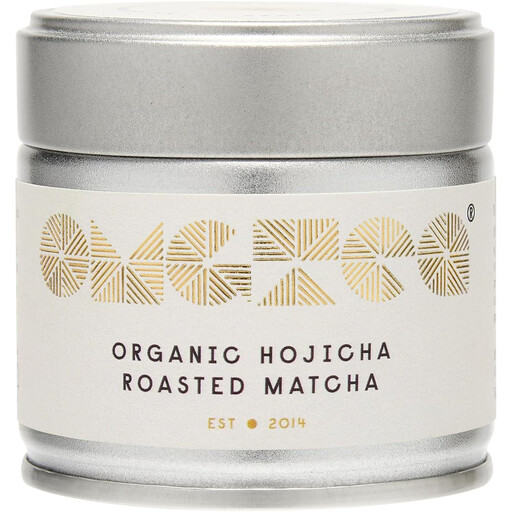 No image available
This roasted tea powder offers a powdered-drink format, but it is not a caffeine-free option. Check the pack’s caffeine information and measure the amount you use.
 No image available
For a brewed black tea instead of powdered matcha, this decaffeinated option comes in tea bags. Decaf tea can retain trace caffeine, so it is not a substitute for a strict caffeine-free requirement.
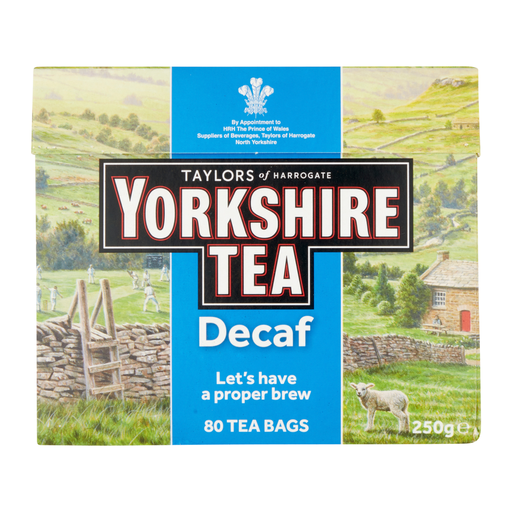 No image available
This is a decaffeinated brewed black tea rather than matcha. If residual caffeine matters to your decision, check the current pack or ask the manufacturer.
No. Traditional matcha is ground green-tea leaf and contains caffeine, while a caffeine-free mulberry-leaf powder is made from a different plant. JING Tea also notes that decaffeinated tea can retain trace caffeine, so “decaf” and “caffeine-free” should not be treated as the same claim.
Measure the powder you use and count it alongside other sources of caffeine. Clearspring states that 1 g of its ceremonial matcha contains approximately 32 mg of caffeine and gives 1 g as a preparation amount; that figure should not be assumed for other products.
Check the current ingredients and ask the manufacturer if the wording conflicts. A Waitrose listing describes one blend as naturally caffeine-free while listing green tea (98%) and matcha (2%), so its caffeine status should not be assumed from that claim alone.