
24/7 Customer Support

Free returns

Same-day & Next-day Delivery

Quality Guaranteed

Unlock Your Welcome Offers: FREE Delivery | Up to 80% OFF | Free 30-day JoyPlus trial
Download the APP
Matcha desserts appeal to shoppers who enjoy green tea’s gently bitter flavour, but product descriptions can make comparison difficult. A bright green colour does not necessarily indicate a stronger tea taste, while “premium” packaging may say little about portion size, ingredients or storage.
Whether you are looking for matcha sweets with afternoon tea, Japanese matcha desserts for gifting or individually wrapped snacks for sharing, check the details behind the marketing first.
Some products use green tea powder in a small quantity, while others combine matcha with sweet bean paste, cream cheese or milk-based fillings. These recipes create noticeably different flavour profiles. Check the quantitative ingredient declaration, where available, rather than relying on colour or wording such as “intense” or “authentic”.
For example, the Taotaoju ice cream mooncakes contain 0.5% matcha powder, whereas the Miemie Basque cheesecake lists 2% matcha powder. Neither percentage alone determines personal preference, but it provides useful context when comparing tea character with sweetness and richness.
Matcha mooncakes and Asian desserts are often sold in seasonal gift packaging. A larger box may include several flavours, not just matcha. This can be useful for family sharing, but less suitable if everyone specifically wants green tea flavour.
Read the pack size, flavour breakdown and individual portion information. A mixed box can offer variety, while a six-piece matcha crisp or six-piece dorayaki pack may be more focused.
Frozen matcha cakes and ice-skin mooncakes need more planning than ambient matcha pastries. A product that must remain at -18°C or below should not be treated like a cupboard snack. Defrosting instructions also affect texture: cheesecake may require overnight refrigeration, while ice-skin mooncakes may need around one hour in the fridge.
For UK shoppers, check that there is enough freezer space and plan delivery and serving times before ordering.
Matcha cakes, matcha cheesecake and matcha pastries often contain wheat, egg, milk or soya. Some Chinese-style pastries also contain sesame, salted duck egg yolk or sodium caseinate. Always read the current product label, particularly when buying for guests.
Look for:
Individually wrapped snacks are practical for packed lunches, office drawers, travel or controlled sharing. A 310g pack containing six individually wrapped dorayaki provides a different experience from a 125g single-serving frozen cheesecake.
Consider whether you need:
Soft dorayaki and castella-style cakes are ready to eat from the packet, while frozen desserts require careful handling. Avoid refreezing products after defrosting unless the packaging specifically permits it.
A product’s net weight, number of portions and storage instructions are more useful for value comparisons than the front-of-pack description alone.
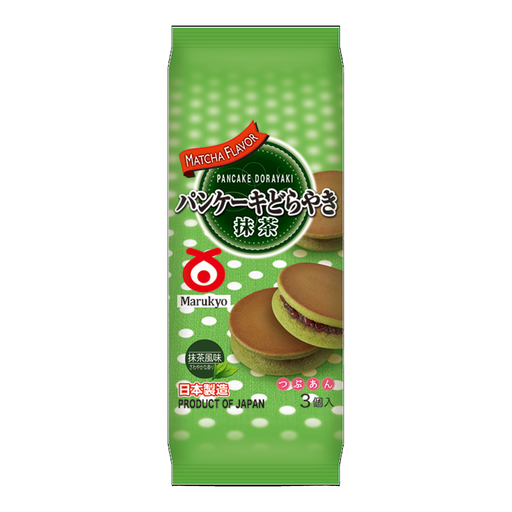
Why This Fits Their Persona: A compact Japanese snack for shoppers trying matcha dorayaki without committing to a larger multi-pack or frozen dessert.
The 150g pack is clearly sized for a smaller purchase, helping avoid overbuying when testing the flavour.
Ready to eat, made in Japan, with adzuki bean paste listed at 25%.
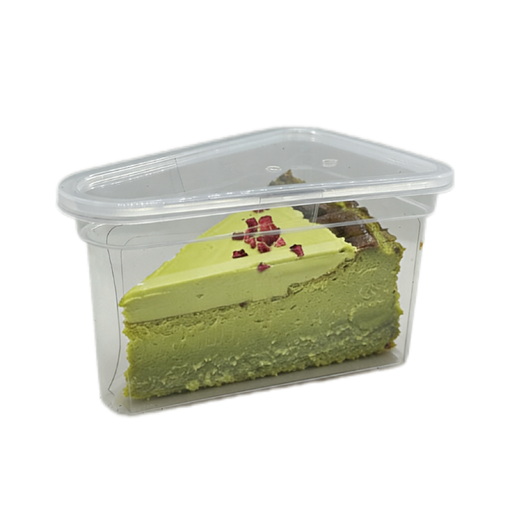
Why This Fits Their Persona: A single-portion dessert for shoppers seeking a rich, Japanese-style cheesecake with a more pronounced matcha ingredient listing.
The 125g serving makes the quantity clear, while the frozen status and over-10-hour fridge defrosting instruction set realistic expectations.
Contains 39.9% full-fat soft cheese and 2% matcha powder; no artificial colours or flavours are listed.
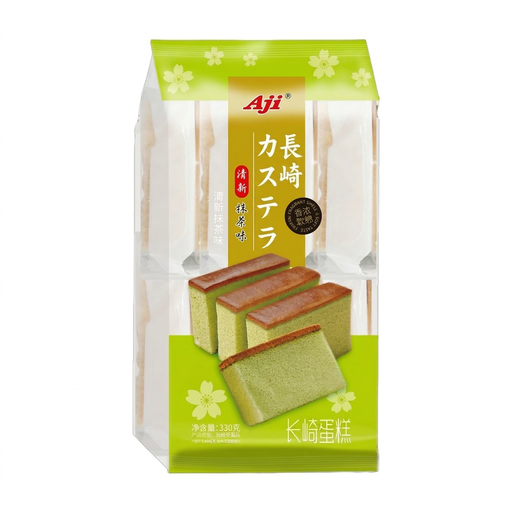
Why This Fits Their Persona: Suitable for households, offices and lunchboxes needing multiple individually wrapped snacks for convenient distribution.
The listing states that the cake is sliced and wrapped individually, reducing the need to open the full pack at once.
Contains 10 packs, is ready to eat and uses a soft, moist castella-style cake format.
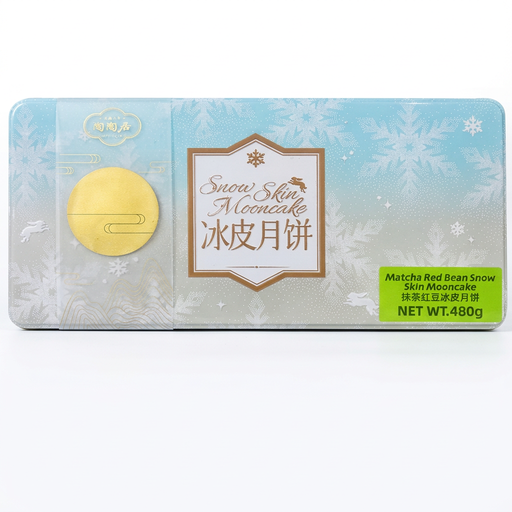
Why This Fits Their Persona: A presentation-led option for Mid-Autumn Festival gifts, family sharing or a chilled dessert occasion.
The product specifies its 480g net weight, 42% red bean filling and frozen storage requirement, making the composition and handling needs easier to assess.
Soft glutinous-rice ice skin, red bean filling and gift box packaging; transfer to the fridge for about one hour before serving.
We have compiled a complete, real-time list of products that fully satisfy these strict selection criteria and UK safety regulations.
Matcha sweets can work across several occasions:
For comparison, non-matcha treats such as teacakes sweets can help create a mixed dessert box for guests with different flavour preferences.
The flavour depends on the recipe and matcha quantity. Sweet bean paste, sugar, cream cheese and milk can soften tea bitterness. Check the ingredients and product description rather than assuming every green tea dessert has the same intensity.
Follow the product-specific instructions. The Miemie cheesecake should be defrosted in the fridge for over 10 hours and consumed within 48 hours after thawing. The Taotaoju ice cream mooncakes require transfer from the freezer to a fridge at 0–4°C for about one hour. Do not refreeze after defrosting.
Individually wrapped dorayaki, sliced matcha cakes and multi-piece crisps are convenient because portions can be distributed without opening the entire pack. For formal gifting, a boxed mooncake selection may offer more presentational appeal, but confirm whether it needs freezer storage before purchase.