If you want control over what goes into your drink, choose a single-ingredient matcha powder and decide what, if anything, to add. For prepared drinks, compare ingredients, sugars and carbohydrate for the amount you will drink: a Waitrose & Partners listing for Alpro Coconut Matcha Chilled includes sugar and reports 4.19g sugars per 100ml. Choose matcha as a drink, not a diabetes treatment; a systematic review of green tea and green-tea extract in people with type 2 diabetes found inconsistent evidence on glycaemic control.
Who is this choice for?
The useful distinction is how much of the finished drink you want to prepare yourself, and which label details you need to compare.
People managing diabetes who make matcha at home
Plain matcha lets you choose any milk or sweetener yourself. Diabetes UK includes unsweetened tea among drink options for people living with diabetes and advises cutting back on sugar added to tea and coffee.
Shoppers considering prepared matcha drinks
A chilled drink or instant latte can contain ingredients beyond matcha. Check the ingredient order, sugars and carbohydrate information, then relate the figures to the portion you will drink. Diabetes UK explains that ingredients are listed in descending order by quantity.
Matcha drinkers watching their caffeine intake
Use information for the particular powder and the amount you prepare, rather than assuming all matcha has the same caffeine content. Clearspring estimates approximately 32mg of caffeine per 1g of its own matcha powder.
What should you check before buying?
Start with the drink format, then read the ingredients and nutrition for the portion you intend to have. A plain powder and a prepared latte need different checks.
Plain matcha powder
Choose it when: You want to decide which ingredients go into a homemade matcha drink.
Trade-off: You prepare it yourself and still need to account for anything you add.
Prepared matcha blends
Choose them when: A ready-made drink or portioned latte mix suits how you plan to use matcha.
Trade-off: Ingredients and nutrition vary by recipe; a matcha-containing drink is not equivalent to plain powder.
| Priority |
What to check |
Your needs |
| Ingredients |
Check whether matcha is the only ingredient or part of a blend. Read the ingredient list for sugar, syrups and other additions; Diabetes UK notes that ingredients appear in descending order by quantity. |
I want to know whether I am buying plain tea powder or a drink with ingredients already added. |
| Drink nutrition |
Compare sugars and carbohydrate per 100g or 100ml on the same basis, then check the portion you will actually prepare or drink. A powder's figures do not describe a latte after additions. |
For a regular drink, the amount in my cup matters more than a broad 'diabetic friendly' description. |
| Caffeine |
Look for product-specific caffeine guidance and check how much powder goes into one drink. Clearspring estimates approximately 32mg per 1g for its own matcha; do not apply that figure to other products. |
If I keep track of caffeine, I need a figure relevant to the matcha and serving I use. |
| Preparation |
Check whether the product needs whisking, mixing or a compatible machine, and whether the stated serving matches the drink you intend to make. |
Some days I can prepare matcha from powder; other times a portioned format may fit my routine. |
Common matcha buying mistakes
-
Assuming every green matcha drink is plain matcha
A prepared drink can contain other ingredients and only a small proportion of matcha. The Waitrose & Partners listing for Alpro Coconut Matcha Chilled includes sugar and lists matcha green tea powder at 0.5%.
Compare its ingredient list and nutrition with a single-ingredient powder before deciding which format suits your drink.
-
Relying on a 'diabetic friendly' description
That wording does not tell you the ingredients, sugars, carbohydrate or serving size. Diabetes UK says there is no role or benefit for foods labelled 'diabetic' or 'suitable for diabetics'.
Use the pack's ingredient list and nutrition information, then consider the amount you will consume.
-
Treating matcha as a blood-glucose intervention
A systematic review of green tea and green-tea extract in people with type 2 diabetes describes the evidence on glycaemic control as inconsistent. It does not establish a treatment effect for a matcha drink.
Choose matcha for the drink you want, not in place of prescribed treatment or your diabetes care plan.
-
Using one brand's caffeine figure for every powder
Caffeine information needs to be read alongside the particular product and serving amount. Clearspring's estimate of approximately 32mg per 1g applies to its own powder.
Check the matcha you buy, measure how much you use and consider other caffeine-containing drinks you have.
Brand and product references
These examples show how plain powders and prepared drinks can differ; assess the particular product rather than assuming every item from a brand has the same recipe.
Clearspring
Its Organic Japanese Matcha Green Tea Powder – Premium Grade is an example of a plain powder for preparing your own drink.
- Clearspring lists organic matcha green tea powder as the product's sole ingredient and estimates approximately 32mg caffeine per 1g.
- That caffeine estimate is specific to this product; additions to a homemade drink need to be considered separately.
JING Tea
Its 30g Organic Ceremonial Grade Matcha is a powder option for someone interested in a named cultivar and preparing matcha with water.
- JING Tea identifies the cultivar as Okumidori and suggests 1.5g per 160ml cup.
- The preparation suggestion does not establish the caffeine content of your finished drink; check any additions separately.
Alpro
Coconut Matcha Chilled, listed by Waitrose & Partners, illustrates a prepared matcha-containing drink rather than a plain powder.
- The Waitrose & Partners listing gives ingredients and reports 4.19g sugars per 100ml, allowing a comparison based on the amount poured.
- The listed recipe includes sugar and 0.5% matcha green tea powder. Check the pack received because recipes can change.
Matcha options on Joybuy
These options cover powders for making your own drink, a portioned latte mix and matcha capsules. Compare each format's ingredients, serving information and preparation requirements before choosing.
 Image unavailable
OMGTea Organic Matcha AAA+ 30g
This matcha powder is an option for making a drink with additions you choose yourself. It is described as 100% organic matcha; measure the powder you use when considering the product's serving and caffeine information.
View on Joybuy
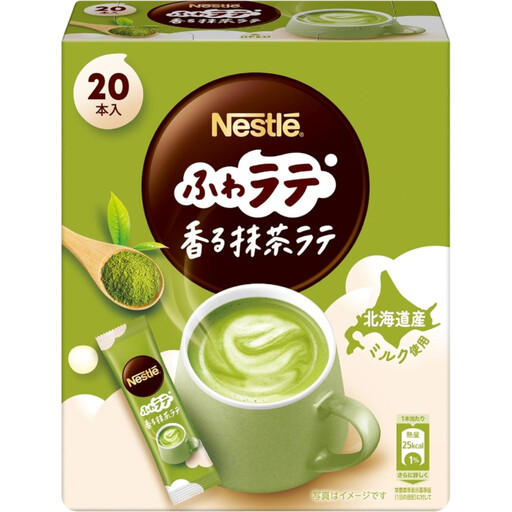 Image unavailable
Nestle Fuwa Matcha Latte 96g (20pcs)
Individual sticks offer a portioned latte-mix format rather than plain matcha powder. The product information lists corn syrup, milk ingredients and sweeteners; check the pack's ingredients and nutrition for the stick and the drink you prepare.
View on Joybuy
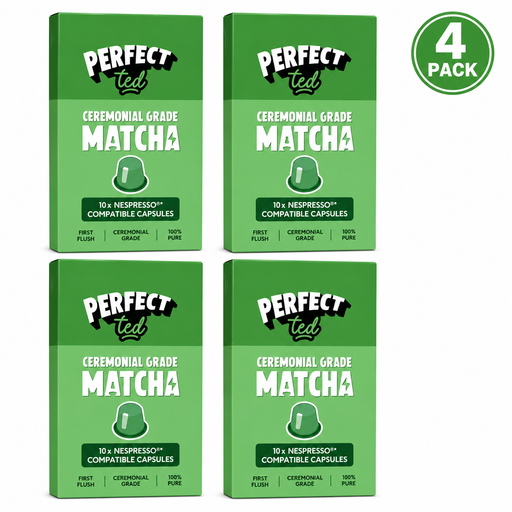 Image unavailable
Perfectted Ceremonial Grade Matcha Pods 10 Pieces (4 Packs)
These matcha pods offer a capsule format if you have a Nespresso Original line machine. Check machine compatibility before buying, and use the pack's serving information when comparing the drink you will prepare.
View on Joybuy
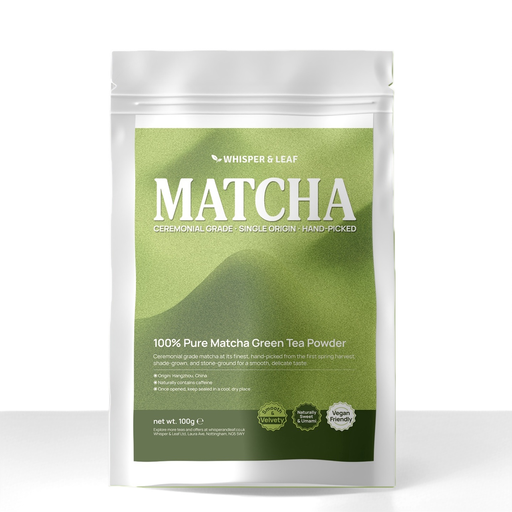 Image unavailable
Whisper and Leaf Ceremonial Grade Matcha Powder 100g Bag
This powder is described as 100% matcha, so you can choose the other ingredients in a homemade drink. Its product information advises sifting before whisking and gives an approximate caffeine estimate for a 1g serving; consider the amount you use.
View on Joybuy
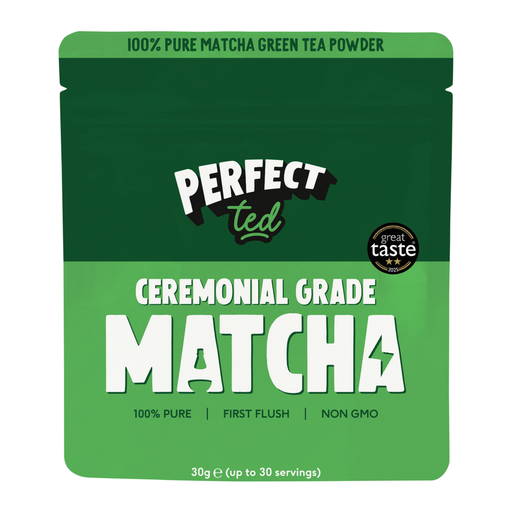 Image unavailable
Perfectted Ceremonial Grade Matcha 30g
This powder is described as 100% matcha for a drink you prepare yourself. Check the pack's serving, carbohydrate, sugars and caffeine information if you need those figures for the amount you plan to use.
View on Joybuy
Matcha buying questions
Is matcha automatically 'diabetic friendly'?
No product should be judged by that description alone. Diabetes UK says there is no role or benefit for foods labelled 'diabetic' or 'suitable for diabetics'; check the ingredients, sugars, carbohydrate and portion you intend to have.
When does plain matcha make more sense than a latte blend?
Choose a product identified as 100% matcha when your priority is deciding for yourself whether to add milk or sweetener. You still need to consider anything you put into the finished drink; this is an ingredient-control choice, not evidence that matcha manages diabetes.
What matters on a ready-to-drink matcha label?
Read the ingredients, sugars and carbohydrate per 100ml, then consider how much you will drink. The Waitrose & Partners listing for Alpro Coconut Matcha Chilled includes sugar and reports 4.19g sugars per 100ml; check the pack received because recipes can change.
Can matcha replace diabetes treatment?
No: do not replace prescribed treatment or your diabetes care plan with matcha. A systematic review of green tea and green-tea extract in people with type 2 diabetes describes the evidence on glycaemic control as inconsistent; it does not establish matcha as a treatment.
How should I compare caffeine in matcha powders?
Use guidance for the exact product and the amount of powder in your drink. Clearspring estimates approximately 32mg caffeine per 1g of its own matcha, but that figure should not be transferred to another powder or blend.


