Dinner-time latte makers
If milk or added flavour is central to the drink, look at how the powder is intended to be prepared. A latte blend and a plain-drinking matcha need not serve the same purpose.


For a drink made with milk, consider a latte-oriented matcha; a versatile premium powder also makes sense if you plan to use it in baking. If you usually whisk matcha with water, a ceremonial powder is more closely aligned with that preparation. Matcha contains caffeine regardless of grade, so a caffeine-free drink may be the more suitable choice when dinner is close to bedtime.
If milk or added flavour is central to the drink, look at how the powder is intended to be prepared. A latte blend and a plain-drinking matcha need not serve the same purpose.
If you whisk matcha with water, the powder’s own flavour is more noticeable. Clearspring describes its ceremonial matcha as slightly sweet and smooth, while JING offers a single-cultivar ceremonial powder.
If bedtime follows dinner soon, consider the timing and the amount of powder in a serving before choosing a grade. During pregnancy, the NHS advises a maximum of 200mg caffeine a day from all sources.
Start with how you will make the drink, then check its serving size and caffeine information against the time you plan to have it.
| Priority | What to check | Your needs |
|---|---|---|
| Milk-based drinks | Check whether the maker recommends the powder for milk. If you also bake with matcha, check whether it is intended for both drinks and recipes. | I want the matcha flavour to remain noticeable in a latte, or I want one powder for drinks and desserts. |
| Plain preparation | Look at the maker’s preparation guidance and flavour description for matcha whisked with water. Grade alone does not tell you how a particular powder will taste to you. | Most of my matcha will be a cup made with water, rather than a sweetened or milky drink. |
| Caffeine timing | Check caffeine for the stated weight of powder and measure the amount you use. Tesco lists 68mg per 2g serving for Perfect Ted Ceremonial Grade Matcha; that figure should not be applied to other products. Doncaster and Bassetlaw Teaching Hospitals NHS Trust notes that caffeine can remain in the body for up to six hours. | Bedtime is not long after dinner, so I would rather choose a caffeine-free drink than assume matcha is suitable because it is warm and comforting. |
| Ingredients and portions | Compare plain matcha with flavoured or instant blends, and read the current pack for ingredients, allergens and serving instructions. Tesco cautions that food product information can change. | I need to know what is in the drink, particularly if milk, oats, sweeteners or added flavourings affect my choice. |
Matcha remains caffeinated whatever its grade. Doncaster and Bassetlaw Teaching Hospitals NHS Trust says caffeine can remain in the body for up to six hours.
If dinner is close to bedtime and you want to avoid caffeine, choose a caffeine-free drink instead of relying on a smaller-sounding grade or serving name.
Clearspring describes its ceremonial powder as smooth for drinking, while its premium grade is intended for drinking and home baking. JING describes a separate latte matcha for use with milk.
If you usually add substantial milk or flavouring, compare latte-oriented and versatile powders with plain-drinking options before choosing.
A teaspoon or recipe portion does not establish how many grams of powder you have used. Tesco’s 68mg figure applies to a stated 2g serving of Perfect Ted Ceremonial Grade Matcha, not to every matcha.
Use the chosen product’s serving weight and caffeine information when considering your drink.
Ingredients and allergen details can change. Tesco advises shoppers to read the product label rather than relying solely on retailer information.
Check the current pack before use if an ingredient, allergy or intolerance affects your choice.
Clearspring offers separate Japanese organic matcha grades for different preparations.
JING distinguishes its single-cultivar ceremonial matcha from a separate product intended for lattes.
Tesco lists a Perfect Ted Ceremonial Grade Matcha 30g product with a stated serving weight and caffeine figure.
These options are flavoured powders and portioned instant drinks for making a matcha latte or similar drink. If you mainly want matcha whisked plain with water, compare their ingredients and preparation with a plain powder before choosing.
 No image available
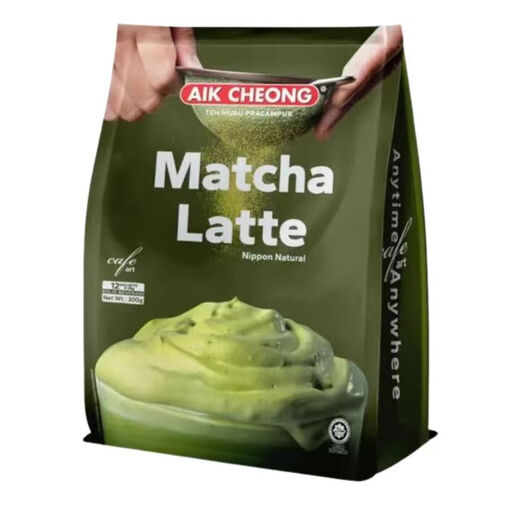
A portioned vanilla matcha latte option for a flavoured drink. Check the current pack for oats if that affects your choice, and check caffeine per sachet when considering an evening serving.
 No image available
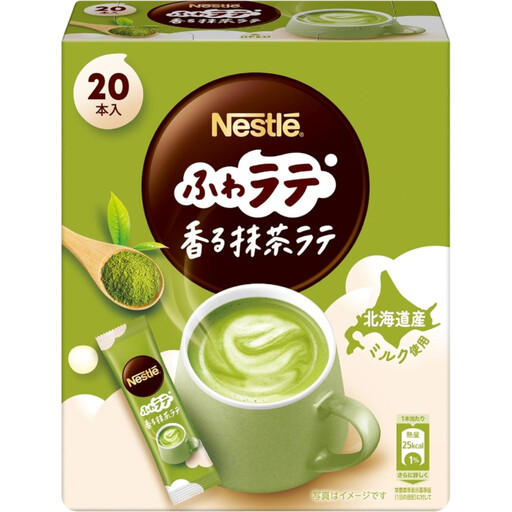
Individually portioned instant latte powder for a milk-style drink. The listed blend contains milk; check the current pack for allergens, sugars per serving and caffeine information before choosing it for dinner.
 No image available
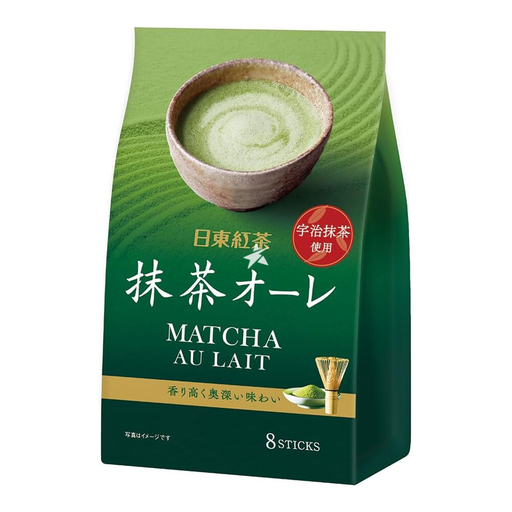
An individually portioned matcha latte format for a prepared drink. Check the pack for milk and aspartame, including its phenylalanine warning, and check caffeine per stick if bedtime is near.
 No image available
Portioned matcha au lait sticks for a sweet prepared drink. The listed blend contains milk; consult the current pack for ingredients and caffeine information if either affects your choice.
 No image available
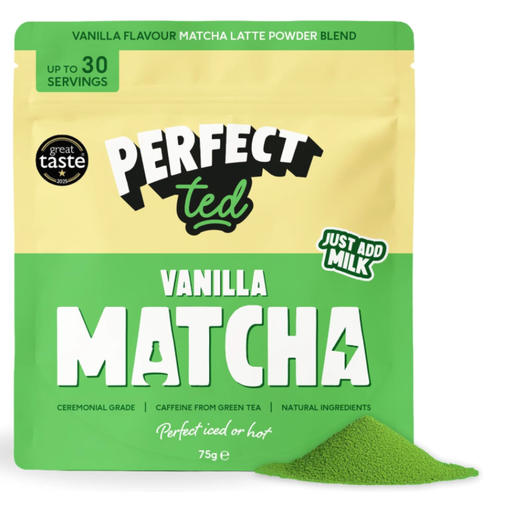
A vanilla-flavoured powder to portion at home rather than a single-serve sachet. Check the current pack if added sugar matters to you, and use its serving information when checking caffeine for an evening drink.
Start with a powder intended for lattes if milk is the main ingredient. JING describes its latte matcha as combining with milk; Clearspring describes its premium grade as suitable for drinking and home baking if you also want to use the powder in recipes. Neither description means ceremonial matcha cannot be mixed with milk.
Treat matcha as a caffeinated drink rather than a caffeine-free evening tea. Doncaster and Bassetlaw Teaching Hospitals NHS Trust says caffeine can remain in the body for up to six hours, so choose a caffeine-free drink if you want to avoid it near bedtime. Check the serving information for any matcha you do use.
The NHS advises no more than 200mg caffeine a day during pregnancy. Include matcha alongside other sources of caffeine and use the chosen product’s serving information rather than assuming every matcha contains the same amount.
Follow the instructions for the particular powder. JING’s shaker method specifies 2g matcha with 40ml water at 80°C before adding milk; Tesco’s instructions for Perfect Ted Ceremonial Grade Matcha also begin by whisking the matcha with water before pouring it over milk.
Read the current pack for ingredients, allergens and the suggested portion. A flavoured or instant blend is not necessarily just matcha, and Tesco cautions that food product information can change.