If Fairtrade certification is essential, check the exact matcha pack or product page for the FAIRTRADE Mark before choosing a format; organic or other ethical-sourcing wording is not the same claim. Pure powder offers a format for drinks and recipes, while a matcha-containing tea bag is a brewed blend. For matcha whisked with water, ceremonial powder is another option, but its grade does not establish Fairtrade status.
Who is this for?
Fairtrade-first pantry shoppers
If certification determines what you buy, check the mark on the exact matcha product rather than relying on a retailer-wide tea claim or general ethical-sourcing wording. Fairtrade International directs shoppers to the FAIRTRADE Mark.
People making matcha drinks and recipes
Pure powder is worth considering when the same pantry ingredient needs to work in whisked drinks, lattes or baking. Clearspring lists its 100% matcha powder as an example of this format.
People who drink matcha plain
If you mainly whisk matcha with water, ceremonial powder may suit that preparation. JING positions its ceremonial matcha for drinking plain; the grade alone says nothing about Fairtrade certification.
What to check before buying
Check the certification claim on the exact product first, then match its ingredients and preparation method to the drinks or recipes you plan to make.
| Priority |
What to check |
Your needs |
| Fairtrade status |
Look for the FAIRTRADE Mark on the exact pack or product page. If it carries a Fairtrade Sourced Ingredient mark, check which ingredient the mark covers; do not substitute organic or other fair-trade wording. |
I want to know whether the matcha I am stocking meets my Fairtrade requirement, not just whether its brand makes a broader sourcing claim. |
| Ingredients and format |
Check whether the ingredients list identifies pure matcha powder or a tea-bag blend. Tesco lists Pukka Mint Matcha as a blend containing mint, sencha green tea and matcha. |
For lattes or baking, I need powder I can add directly; for a brewed, flavoured drink, a tea bag may suit me instead. |
| Preparation |
Check whether the product is intended for whisking with water, mixing with milk or use in food. JING positions ceremonial matcha for drinking plain and describes a different flavour profile for matcha used in mixed drinks and cooking. |
Will I mostly whisk a plain cup, or do I want one powder for several pantry uses? |
| Caffeine and portions |
Check the product’s serving size and caffeine information, then consider other caffeinated drinks. The NHS advises a limit of 200mg of caffeine a day during pregnancy, from all sources. |
If I use matcha regularly, I want to keep track of how much powder I prepare alongside my other sources of caffeine. |
Common buying mistakes
-
Reading an ethical claim as a Fairtrade mark
Tesco’s Pukka Mint Matcha listing uses Fair for Life wording. That does not establish that the product carries the FAIRTRADE Mark, which has a distinct meaning according to the Fairtrade Foundation.
Check the exact product for the mark and, where an ingredient-specific mark appears, read which ingredient it covers.
-
Buying tea bags for a recipe that calls for powder
A matcha-containing tea bag is a blend prepared as an infusion, not the same ingredient as pure matcha powder added to a drink or recipe.
Read the ingredients and choose pure powder when the intended use requires matcha powder.
-
Choosing ceremonial grade for every preparation
JING positions ceremonial matcha for drinking with water, while its matcha guidance distinguishes powder used with milk or in cooking. The intended preparation matters more than the grade name alone.
Choose for the drink or recipe you will make most often, and check Fairtrade status separately on the exact product.
-
Overlooking caffeine from other drinks
Matcha contributes to caffeine intake alongside other caffeinated food and drinks. During pregnancy, the NHS advises no more than 200mg of caffeine a day from all sources.
Check the portion and product-specific caffeine information when planning regular use.
Brand and retailer references
Clearspring
A reference for shoppers comparing pure organic matcha powder for drinks and cooking.
- Clearspring lists its Premium Grade powder’s ingredient as 100% organic matcha green tea powder.
- Check the exact pack for a FAIRTRADE Mark if certification is essential; organic describes a different attribute.
JING
A specialist tea retailer whose range helps distinguish matcha for plain drinking from matcha for mixed preparations.
- JING lists a 30g organic ceremonial matcha from Kirishima and positions ceremonial grade for drinking plain.
- Its preparation guidance does not establish Fairtrade certification for an individual pack.
Teapigs
A UK tea retailer with a dedicated matcha category.
- The Teapigs matcha category provides a starting point for comparing its product formats.
- Check the ingredients and any certification mark on the particular matcha product you are considering.
M&S
A useful example of why a retailer’s tea-range claim must be kept separate from a matcha-specific claim.
- M&S says its tea is 100% Fairtrade and promotes Fairtrade loose-leaf and bag teas.
- That range-wide wording does not identify the certification status of an exact matcha product.
Waitrose
A grocery retailer whose green-tea category includes both matcha products and separately labelled Fairtrade green tea.
- Waitrose lists matcha products alongside Clipper Organic Fairtrade green tea bags.
- The Fairtrade description of one tea product does not apply to neighbouring matcha listings; check each exact pack.
Matcha powder options on Joybuy
These are pure powder options for stocking matcha for drinks or recipes, including products labelled ceremonial for whisked preparation. If the FAIRTRADE Mark is essential to your choice, check it on the exact product pack or page before buying; the powder format and organic wording do not establish that claim.
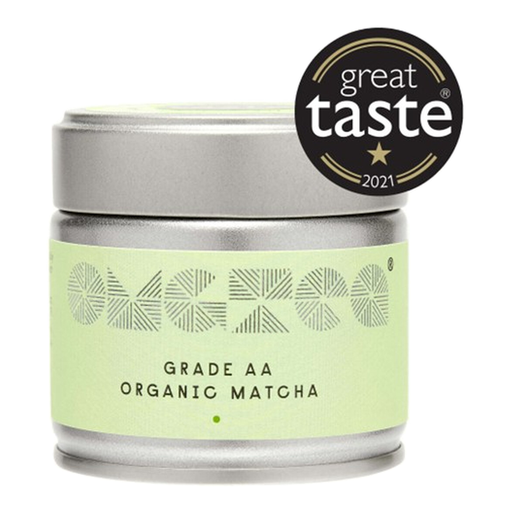 Image unavailable
OMGTea AA Organic Matcha, 30g
This powder is listed for drinks and recipes, including lattes, smoothies and baking. The product guidance says to store it in a cool, dry place away from direct sunlight. Check the exact pack for the FAIRTRADE Mark if that certification is a buying requirement.
View on Joybuy
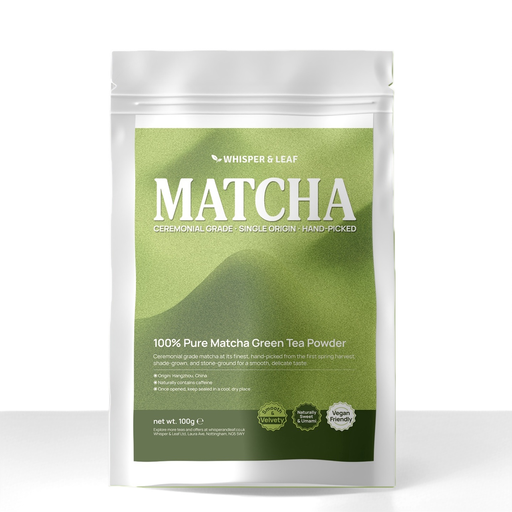 Image unavailable
Whisper and Leaf Ceremonial Grade Matcha Powder, 100g
This 100g bag is listed for traditional whisked preparation and lattes. Check the pack’s storage directions after opening, as well as the exact product’s FAIRTRADE Mark if certification matters to you.
View on Joybuy
 Image unavailable
OMGTea Organic Matcha AAA+, 30g
This powder is listed for whisked matcha prepared as thin or thick tea. Its directions say to sift before whisking and refrigerate after opening. Check the exact pack for the FAIRTRADE Mark if certification is essential.
View on Joybuy
Matcha buying questions
How can I check a matcha product’s Fairtrade claim?
Look for the FAIRTRADE Mark on the exact pack or product page. The Fairtrade Foundation says its classic mark covers ingredients that can be Fairtrade certified; if a Fairtrade Sourced Ingredient mark appears, check which ingredient it identifies. Organic, ethical-sourcing and Fair for Life wording should not be read as the same mark.
Can I use matcha tea bags instead of pure powder?
Not when a drink or recipe calls for pure matcha powder. Tesco lists Pukka Mint Matcha as a brewed blend containing mint, sencha green tea and matcha. Check the ingredients and format before buying for lattes or baking.
Which format works for both matcha drinks and recipes?
Choose pure powder if you plan to whisk matcha and add it to drinks or food. Clearspring positions its Premium Grade powder for drinking and baking, while JING positions ceremonial matcha chiefly for drinking plain. Check Fairtrade certification separately on whichever exact product you choose.
Should I count caffeine when using matcha regularly?
Yes. Check the powder’s portion size and product-specific caffeine information alongside your other sources of caffeine. During pregnancy, the NHS advises no more than 200mg of caffeine a day from all sources.


