Hosts stocking one flexible powder
Loose, unsweetened matcha suits a cupboard intended to cover plain drinks, milk drinks and occasional recipes. Clearspring explicitly describes its Premium Grade as suitable for drinking and home baking.


Choose unsweetened loose matcha if one cottage tin needs to cover drinks and occasional baking; Clearspring, for example, describes its Premium Grade as suitable for both drinking and home baking. A latte-oriented powder makes more sense when guests will mainly add milk, while portions reduce measuring and tea bags offer a familiar brewed drink. Check the ingredients and preparation method before treating these formats as interchangeable.
Loose, unsweetened matcha suits a cupboard intended to cover plain drinks, milk drinks and occasional recipes. Clearspring explicitly describes its Premium Grade as suitable for drinking and home baking.
A latte-oriented powder is worth considering when guests are more likely to use dairy or plant milk than whisk matcha with water. JING Tea describes its latte product’s flavour in relation to milk; check its preparation directions before leaving it for guests.
Individual portions avoid measuring loose powder. Tea bags offer a familiar brewing routine, but a flavoured portion or a green-tea blend should not be described as plain matcha powder.
Start with how guests are likely to prepare matcha, then check whether the ingredients and equipment fit that plan.
| Priority | What to check | Your needs |
|---|---|---|
| Uses | Check whether the powder is listed for drinks, baking or both. A tea bag is for brewing, not a substitute for loose powder in recipes. | I want one cupboard item for drinks and occasional baking, rather than a separate product for each use. |
| Preparation | Read the serving and mixing directions. Decide whether to leave a whisk and bowl, a shaker, or pre-portioned sachets. | Guests should be able to make a cup using the equipment available in the cottage. |
| Ingredients | Distinguish 100% matcha from flavoured blends. Waitrose & Partners lists coconut sugar and flavourings in a flavoured PerfectTed stick, while its Pukka tea-bag listing specifies 98% green tea and 2% matcha. | If I describe the offering as plain matcha, the pack needs to match that description; guests may also want to inspect ingredients for themselves. |
| Caffeine information | Keep the current pack and serving directions accessible. NHS pregnancy guidance sets a limit of 200mg caffeine a day from all sources during pregnancy; a figure for one matcha product should not be applied to another. | Guests need enough product information to account for matcha alongside any other caffeinated drinks they choose. |
Flavoured portions can contain other ingredients, and a matcha green-tea bag is a brewed blend rather than powder for whisking or baking.
Read the full ingredient list and format. Use a 100% matcha product when an unsweetened, flexible powder is the intended offering.
A grade label does not establish that a product is intended for every cottage recipe or milk drink. Clearspring specifically lists drinking and home baking as uses for its Premium Grade.
Choose against the preparations you plan to offer, and reserve a plain-drinking option for guests who are likely to use it that way.
Guests need a way to measure and mix loose matcha; a tin alone does not explain the method.
Leave the pack directions and suitable equipment, such as a whisk and bowl or a shaker. Portions are another option when measuring is inconvenient.
Guests considering their total caffeine intake need to know that matcha contributes caffeine. NHS pregnancy guidance refers to a 200mg daily limit from all sources during pregnancy.
Keep the packaging available and make the product’s stated serving size easy to find; do not use one brand’s caffeine figure as a value for every matcha.
These examples illustrate different formats; a brand name alone does not tell you which preparation a particular product suits.
Its Japanese matcha range includes Premium Grade and Ceremonial Grade loose powders.
JING Tea offers separate ceremonial and latte-oriented matcha products.
The eight-stick variety pack listed by Waitrose & Partners provides individual portions for milk drinks.
Supreme Matcha Green is a brewed tea-bag blend, rather than loose matcha powder.
These options include loose powders for varied uses, portioned plain matcha and a vanilla latte blend. Compare the pack format and ingredients with the way guests will prepare them.
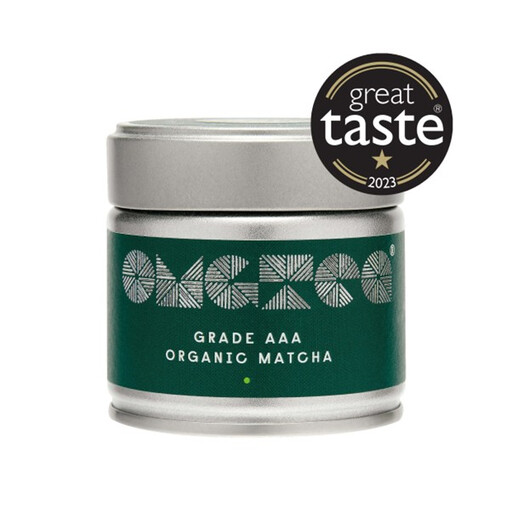 No image available
A loose-powder option for a cottage offering drinks and simple recipes. The product description states 100% organic matcha and mentions smoothies and cooking; check the pack for serving and preparation directions before leaving it for guests.
 No image available
Pre-portioned sachets suit a setup centred on quick latte-style drinks. The listed blend contains 15% matcha alongside rice drink powder, coconut blossom sugar and vanilla; it is not plain matcha. Check the current pack ingredients, including the listed oat ingredient, for guests with allergies or intolerances.
 No image available
Individual portions avoid measuring from a tin while retaining a plain-matcha option. This seven-sachet pack is described as 100% matcha; check its mixing directions before putting out equipment or guest instructions. It is distinct from PerfectTed’s eight-stick flavoured variety pack.
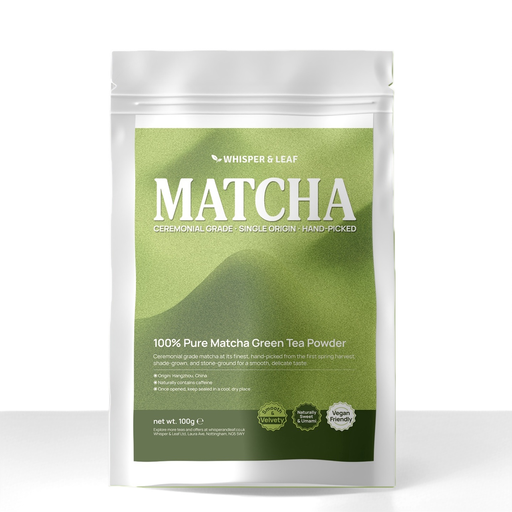 No image available
This loose powder is presented for plain matcha and lattes, so guests will need a measuring and mixing method. The product description states 100% matcha; check the pack directions for the serving you intend to describe.
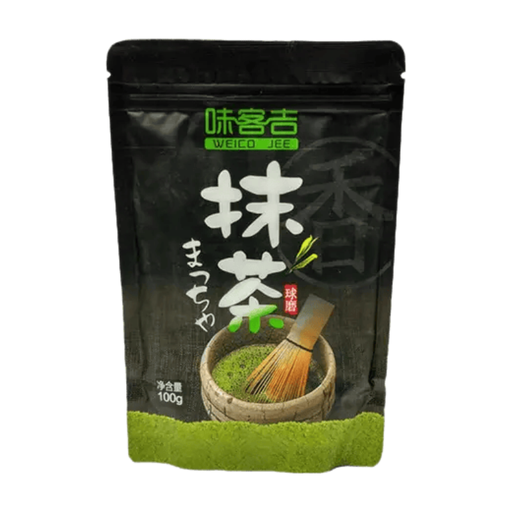 No image available
A loose powder whose description lists lattes, smoothies and baking among its uses. It is described as culinary grade in a 100g format; check the current pack’s full ingredients and serving directions before stocking it as a shared pantry ingredient.
No. Leave a method that works with the equipment provided: a whisk and bowl for whisked matcha, or a suitable shaker for a quicker milk drink. JING Tea describes shaking as quicker but producing less texture than whisking.
No. The Pukka Supreme Matcha Green tea bags listed by Waitrose & Partners contain 98% green tea and 2% matcha. They offer a brewed drink, not loose powder for whisking, lattes or baking.
Leave clear directions to sift the powder, mix it with a little water, then add more liquid while whisking. A shaker provides another method for milk drinks; keep the product’s own serving directions available.
Keep the current pack available so guests can check the ingredients of the exact product and variant. Ingredients can differ even within a variety pack, so do not describe every flavoured stick as though it were plain matcha.
Leave the product packaging and serving directions accessible rather than describing matcha as caffeine-free. NHS pregnancy guidance sets a limit of 200mg caffeine a day from all sources during pregnancy; a caffeine figure given for one brand and serving size should not be applied to other products.