Workers with short breaks
Individual sachets remove the measuring step. Loose powder gives you more control over the amount used, but needs a spoon and a way to mix it.


Choose loose matcha if you want to measure your own portion and use the powder in both drinks and snacks; choose sachets when a pre-portioned serving makes a short break easier. A latte-focused product suits a regular milk-based drink, but if you plan to sleep soon after your shift, timing matters more than the blend: Queen Victoria Hospital NHS Foundation Trust advises avoiding caffeine-containing products at least four hours before bedtime.
The useful distinction is how much preparation your break allows, what you intend to make and when you expect to sleep.
Individual sachets remove the measuring step. Loose powder gives you more control over the amount used, but needs a spoon and a way to mix it.
If a milk or plant-milk drink is your usual snack, compare powders intended for lattes with plain matcha. Check any milk, syrup or other additions when assessing the finished drink’s ingredients and nutrition.
Consider the time between your break and planned bedtime before choosing a caffeinated matcha drink. The product’s serving size also matters when you are counting caffeine from other drinks and foods.
Decide whether matcha fits the timing of your break, then choose a format you can prepare and use as intended.
Choose it when: You want to measure the powder yourself and use it for more than one kind of drink or snack.
Bear in mind: You will need to carry and mix a measured portion.
Choose them when: A pre-portioned serving is more practical than a tin during a short break.
Bear in mind: A fixed portion offers less flexibility for recipes, and the powder still needs mixing.
Choose it when: Your intended snack is regularly a matcha drink made with milk or a plant-based alternative.
Bear in mind: Check the complete ingredient list and the nutrition information for your chosen preparation.
Choose it when: Your break falls within four hours of the bedtime you have planned after work.
Bear in mind: This changes the snack or drink rather than solving the timing issue by switching matcha grades.
| Priority | What to check | Your needs |
|---|---|---|
| Caffeine timing | Check the serving amount, any stated caffeine quantity and caffeine from other products. Queen Victoria Hospital NHS Foundation Trust advises avoiding caffeine-containing products at least four hours before bedtime. | My break may be close to the time I plan to sleep after work, so a caffeine-free choice could make more sense than matcha. |
| Preparation | Compare loose powder with individual portions, and read the directions for the water, milk and mixing method required. | I have only a short break and need a format I can prepare with the equipment available at work. |
| Intended use | Check whether the maker describes the powder for plain drinks, milk-based drinks or recipes. Clearspring describes its Premium Grade matcha for drinking and home baking; JING describes its latte matcha for combining with milk. | If I use matcha in both a drink and a snack recipe, versatility matters. For a regular latte, I want directions that suit that drink. |
| Ingredients | Compare 100% matcha with a flavoured or sweetened mix. For a prepared drink, also check the ingredients and nutrition information for any additions. | I may want to choose the sweetness and milk myself, rather than have those decisions built into a blend. |
| Pack and storage | Compare pack size with how often you will use it, and follow the product’s storage directions. | Matcha is only an occasional shift snack for me, so a smaller pack or individual portions may be easier to use up. |
Caffeine can keep you awake. Queen Victoria Hospital NHS Foundation Trust advises avoiding caffeine-containing products at least four hours before bedtime.
Work backwards from when you expect to sleep after your shift. If your break falls within that period, choose a caffeine-free drink or snack instead of caffeinated matcha.
Joybuy Insights’ matcha buying guidance explains that the term does not refer to one UK-wide mandatory grading specification. It cannot, on its own, tell you how a powder will suit your intended preparation.
Compare the ingredients, stated origin, serving directions, intended use and storage instructions rather than relying on the grade description alone.
A flavoured mix can have ingredients beyond matcha, so its ingredient list and nutrition information matter when comparing it with plain powder.
If you want to choose the milk or flavouring yourself, check for a product listing 100% matcha. For a mix, read the label per serving and account for anything you add.
Pack size affects how long an opened powder will need to be stored before it is used up.
Match the quantity to how often you make matcha, and follow the storage directions on the product you choose.
These examples illustrate different preparations and buying routes; a brand name alone does not determine which format fits your shift.
Clearspring describes its Premium Grade Japanese matcha for drinking and home baking, and offers a Matcha Shot format containing eight 1g sachets.
JING describes a single-cultivar ceremonial matcha for plain preparation and a separate matcha intended for lattes.
M&S Food presents prepared matcha drinks using Perfect Ted matcha with a choice of dairy or plant-based milks and optional syrups.
These products cover portioned plain matcha, latte sachets and a ready-to-drink latte for a night-shift break. Compare their labels and preparation needs with the time you plan to sleep.
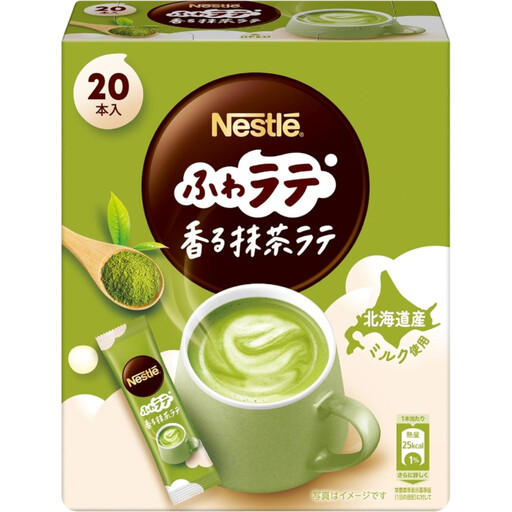 No image available
A portioned latte format to consider when measuring loose powder would be awkward during a break. Check the preparation directions and caffeine information on the pack when planning the serving around sleep.
 No image available
Vanilla-flavoured latte sachets suit a break when you want an individual portion rather than a tin. Check the ingredient list, mixing directions and caffeine information for the drink you intend to make.
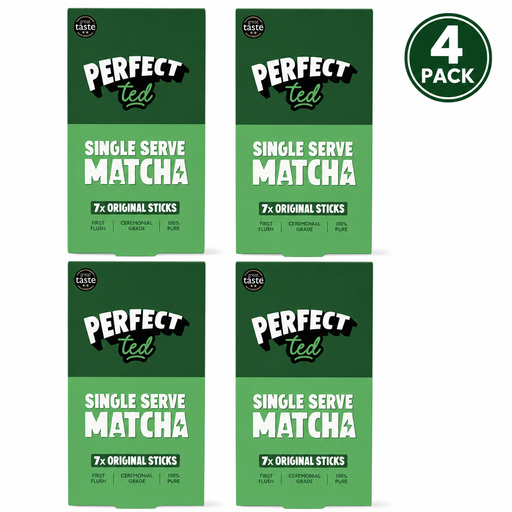 No image available
The stated 1.5g sachet size offers a measured powder portion for a short break. Check the ingredient list, mixing instructions and caffeine information for this product before choosing it for your routine.
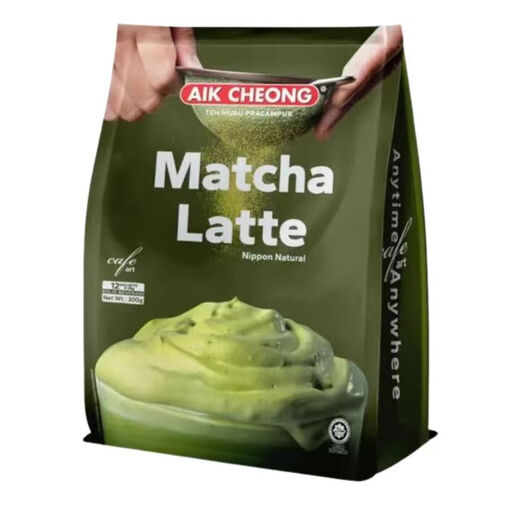 No image available
Individual latte sachets are an option when you want a portioned mix for a workplace drink. Read the ingredients and nutrition information for the 25g sachet, and check its caffeine information if bedtime is approaching.
 No image available
A ready-to-drink latte avoids mixing powder during a short break. Check the can volume and caffeine amount for the whole can rather than assuming a per-100ml figure describes the full serving.
Use your planned bedtime as the reference point. Queen Victoria Hospital NHS Foundation Trust advises avoiding caffeine-containing products at least four hours before bedtime, so choose a caffeine-free drink or snack if your break falls within that period.
The amount depends on the powder and portion used. Clearspring estimates approximately 32mg of caffeine per 1g of dry matcha using Japanese food-composition data; that is the brand’s estimate, not a measured caffeine value for every product or batch. Check the information for the specific matcha you choose.
Choose by what you plan to make, rather than the grade word alone. Clearspring describes its Premium Grade powder for drinking and home baking, while JING describes its latte matcha for combining with milk. Compare ingredients and preparation directions for the specific product.
Not necessarily. A shaker may be easier to use during a short break, while a bamboo whisk is an option if you want the traditional whisked preparation. Check the powder’s directions and whether you have the water and mixing equipment they call for.
Matcha contributes to caffeine intake. Food Standards Scotland and the Food Standards Agency advise a 200mg daily caffeine limit during pregnancy and say to count caffeine from sources such as tea, coffee and energy drinks together, rather than considering matcha in isolation.