Traditional matcha drinkers
For someone who enjoys measuring and whisking powder with water, consider pure matcha powder. A set with a whisk and scoop may suit her if she would use the tools.


Choose pure matcha powder for someone who enjoys whisking it with water; a latte mix or versatile powder makes more sense if she usually adds milk or uses matcha in baking. Choose a matcha-containing tea bag if she prefers brewing a cup without measuring powder, but check the ingredients: a genmaicha blend is not the same drink as pure matcha. For anyone limiting caffeine, check the intended serving and caffeine information before giving it as a gift.
The recipient’s usual way of making tea or matcha is a more useful starting point than the grade printed on the front of a pack.
For someone who enjoys measuring and whisking powder with water, consider pure matcha powder. A set with a whisk and scoop may suit her if she would use the tools.
For someone who usually adds milk or blends matcha with other ingredients, look at a latte-oriented mix or a powder described for those uses. Check whether a flavoured mix contains ingredients she wants.
For someone who would rather steep a tea bag than whisk powder, a matcha genmaicha blend offers a familiar brewing routine. Its green tea and roasted rice are part of the drink, so it will not taste or prepare like pure matcha powder.
Start with preparation, then check the ingredients and pack contents against the drink the recipient actually makes.
| Priority | What to check | Your needs |
|---|---|---|
| Preparation | Check whether it is pure powder, a latte mix or a tea-bag blend. Check whether the recipient has, or wants to use, a whisk or shaker. | I would rather give her something that fits her routine: whisked matcha, a milk-based drink or a brewed cup of tea. |
| Flavour and ingredients | Read the full ingredient list, especially for flavoured mixes. Clearspring lists its matcha genmaicha sachets as 68.25% sencha, 29.25% roasted brown rice and 2.5% matcha; it is not pure matcha powder. | If she wants matcha on its own, I will choose a pure powder. If she enjoys roasted-rice tea or flavoured lattes, I will check the particular blend rather than relying on the word ‘matcha’. |
| Caffeine | Check the serving size and caffeine information for the specific product. Clearspring estimates approximately 32 mg of caffeine per 1 g of its matcha powder; the NHS advises a limit of 200 mg of caffeine a day during pregnancy, counting all sources. | For someone who is pregnant or otherwise limits caffeine, I need to consider her intended serving alongside other caffeinated food and drinks. |
| Gift contents | Check whether the pack contains powder alone or preparation tools. Clearspring’s ceremonial gift set, for example, contains 30 g of matcha, a whisk, a scoop and a gift box. | She may enjoy the whisking ritual, or she may have the equipment already and prefer a straightforward refill. |
Pure powder, latte mixes and matcha-containing tea bags differ in ingredients and preparation. A sencha-and-rice tea bag will not make the whisked drink someone expects from pure powder.
Match the format to how the recipient drinks it: powder for whisking, a suitable powder or mix for lattes, or tea bags for brewing.
Serving size matters. Clearspring estimates approximately 32 mg of caffeine per 1 g of its matcha powder, while the NHS advises no more than 200 mg of caffeine a day during pregnancy from all sources.
Check the particular product’s serving information and consider other caffeine the recipient consumes, especially if she is pregnant or limits caffeine.
A whisk and scoop are useful for someone interested in preparing powdered matcha, but do not simplify a tea-bag routine.
Check what is in the set and whether the recipient would use it; otherwise, choose the powder, mix or tea-bag format that fits her usual drink.
These examples illustrate different matcha formats; the products available to buy in this article are listed separately below.
Clearspring describes pure matcha powders, a ceremonial gift set and matcha genmaicha tea sachets.
JING Tea distinguishes matcha for drinking plain from matcha intended for milk-based lattes, and offers a starter set with a shaker.
M&S Food describes matcha as an ingredient in hot and cold drinks, baking and desserts.
These options cover brewed matcha-containing tea, a vanilla latte mix and powders for people who prepare matcha themselves. Check the format and ingredients before choosing a Mother’s Day gift.
 No image available
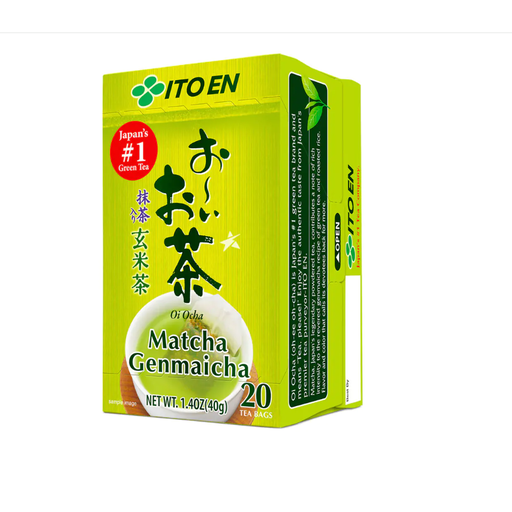
A brewed-tea option for someone who prefers tea bags to whisking powder. The listed blend contains roasted rice, green tea and 3% matcha, so it is not pure matcha powder. Check caffeine information for the intended serving if that affects the choice.
 No image available
Individual sachets for someone who wants a vanilla matcha latte rather than pure powder. The listed mix contains 15% matcha, rice drink powder and coconut blossom sugar; the listing also identifies oats as an allergen. Check the full packaging for dietary restrictions and the caffeine information if needed.
 No image available
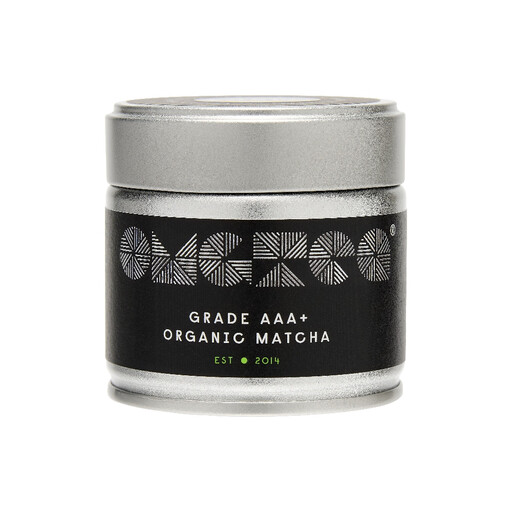
A pure powder for someone who enjoys preparing matcha with water. The listing states 100% organic matcha and recommends sifting before whisking and refrigeration after opening. It lists approximately 34 mg of caffeine per 1 g serving; account for the intended portion if the recipient limits caffeine.
 No image available
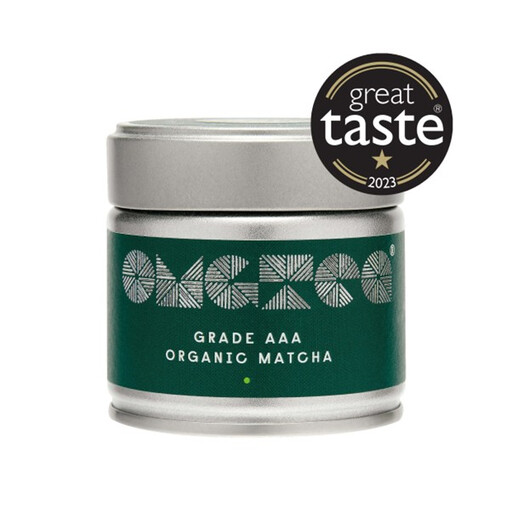
A powder described for drinks, smoothies and cooking. The product information states 100% organic matcha. Check the pack’s grade description and preparation directions if either matters to the recipient; check its serving and caffeine information if she limits caffeine.
 No image available
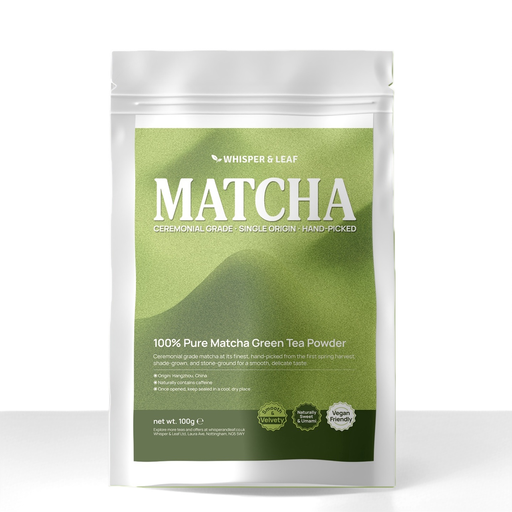
A larger powder pack for someone who already prepares matcha. The description states 100% ceremonial-grade matcha and describes uses in traditional drinks and lattes. Check portion, storage and caffeine information if they affect the gift choice.
Choose pure matcha powder if the recipient enjoys whisking it with water; choose a latte-oriented product if she usually drinks it with milk. JING Tea distinguishes matcha for plain preparation from its latte product, so check the intended use rather than assuming the grades are interchangeable.
No. For example, Clearspring lists its matcha genmaicha tea sachets as 68.25% sencha, 29.25% roasted brown rice and 2.5% matcha. They make a brewed tea, not a bowl or latte prepared from pure matcha powder.
Check the matcha product’s serving and caffeine information alongside the recipient’s other sources of caffeine. The NHS advises no more than 200 mg of caffeine a day during pregnancy; Clearspring estimates approximately 32 mg per 1 g of its matcha powder, but that figure should not be assumed for other products.
Not if the recipient prefers a tea-bag brew or already has the tools she uses. A whisk and scoop suit someone interested in preparing powdered matcha; Clearspring’s ceremonial gift set includes both, while JING Tea offers a starter set with a shaker.