
24/7 Customer Support

Free returns

Same-day & Next-day Delivery

Quality Guaranteed

Unlock Your Welcome Offers: FREE Delivery | Up to 80% OFF | Free 30-day JoyPlus trial
Download the APP
Matcha green tea is available in far more formats than a simple tin of powder. UK shoppers can choose from ceremonial grade matcha, organic matcha powder, instant sachets, matcha tea bags, machine-compatible pods and chilled ready-to-drink bottles. The right choice depends on how you intend to prepare it, how much time you have and whether you prefer a pure, earthy flavour or a sweeter café-style drink.
However, attractive packaging and terms such as “premium” or “ceremonial” do not always tell you everything you need to know. Before buying, check the following common pitfalls.
Ceremonial grade matcha is generally marketed for drinking with water, while culinary matcha is often intended for baking, smoothies or sauces. In the UK, however, “ceremonial grade” is not a single regulated quality standard. Check the ingredient list, origin, storage guidance and preparation instructions rather than relying on the front label alone.
Some matcha green tea blends contain only a small amount of matcha alongside sencha, herbs, sugar or milk powder. This is not necessarily a problem, but it affects flavour and suitability. For example, PUKKA Ginseng Matcha Green lists matcha at 2% and combines it with sencha, lemongrass, ginger and other botanicals. It is a tea blend rather than a pure matcha powder.
Matcha contains naturally occurring caffeine, so serving size matters. Some products provide a stated caffeine value, while others do not. Latte sachets may contain oats or milk, and instant latte mixes can include sugar and creamer. Matcha pods also require careful checking: the Perfectted pods are designed for Nespresso Original line machines, not every capsule system.
For traditional preparation, choose a product listing 100% matcha or green tea powder as the ingredient. Japanese matcha powders such as Yamasekien-Seicha Matcha Powder 40g are suitable for whisking with water and can also be used in desserts or savoury recipes.
For a convenient drink, matcha sachets and instant matcha are easier to portion. OMGTea Matcha Latte Sachets Vanilla contain 15% organic Japanese matcha, plus rice drink powder, coconut blossom sugar and vanilla. This creates a creamy, lightly sweetened drink but is not equivalent to a pure powder.
Japanese matcha may have a fresh vegetal, umami-led flavour, while roasted options offer a warmer, nuttier taste. Hojicha matcha is made from roasted tea and is a useful option if you prefer a softer flavour. OMGTea Organic Hojicha Roasted Matcha lists approximately 15.7mg of caffeine per 1g serving according to its product information, compared with the approximately 34mg per 1g stated for OMGTea Organic Matcha AAA.
For genmaicha with matcha, roasted rice adds a toasted aroma. Itoen Oi Ocha Roasted Rice Tea with Matcha contains rice, green tea and matcha, making it closer to a traditional tea blend than a concentrated powder.
Powder should be protected from light, moisture and strong odours. Some products require refrigeration after opening, so check whether your kitchen storage suits the product.
Water temperature also affects the result. Yamasekien-Seicha recommends approximately 70–80°C, while several matcha products advise avoiding boiling water to reduce bitterness. A fine sieve or whisk helps prevent lumps. Ready-to-drink matcha avoids preparation altogether, but check the bottle or carton for storage instructions and consume opened products within the stated period.
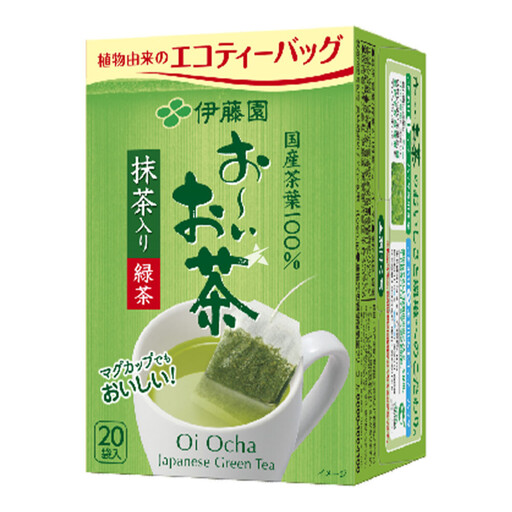
Why This Fits Their Persona: Tea bags offer a familiar starting point for UK tea drinkers who want to try matcha without buying a whisk or learning a new preparation method.
The ingredient list identifies green tea and matcha, so shoppers can see that this is a blend rather than pure powder.
Tea-bag format; ingredients are clearly listed; no specialist equipment is required.
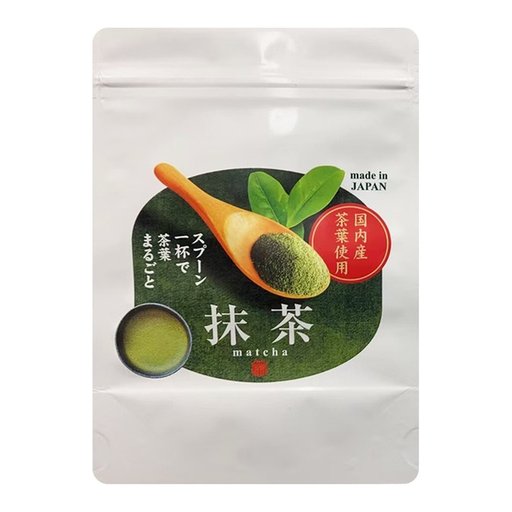
Why This Fits Their Persona: This pure Japanese powder suits shoppers who want to control strength and prepare matcha traditionally or use it in cooking.
It lists green tea as the sole ingredient and provides a specific 70–80°C preparation range.
Pure powder; suitable for drinks and recipes; free from the 14 major allergens according to the listing.

Why This Fits Their Persona: Individually portioned sachets are practical for office drawers, commuting or quick preparation at home.
The pack size and 12g serving format are clear, while the listing identifies oats and natural caffeine for informed choices.
Six single-serve sachets; can be mixed with hot water or plant-based milk; vanilla flavour.

Why This Fits Their Persona: These pods suit households or workplaces with a compatible Nespresso Original machine and little time for manual whisking.
The compatibility requirement is stated clearly, helping prevent use in an unsuitable capsule machine.
Ten individual pods; ceremonial grade matcha powder; no added sugar or artificial additives listed.
We have compiled a complete, real-time list of products that fully satisfy these strict selection criteria and UK safety regulations.
Sift around 0.8–1g of powder into a cup, add a small amount of hot water at approximately 70–80°C and whisk or stir until smooth. Add more water or milk to taste. A handheld frother can help, although a tea bag, sachet or ready-to-drink format requires less preparation.
Follow the packaging instructions. Keep unopened products cool, dry and away from sunlight. Once opened, seal the container tightly; some products, including certain organic powders, recommend refrigeration. Use the printed best-before date as a guide and avoid storing matcha beside strong-smelling foods.
It depends on the format. Pure matcha powder is generally free from dairy ingredients when the label confirms this. Some latte sachets use rice or oat-based ingredients, while instant latte mixes may contain milk powder or sodium caseinate. Always check the full ingredient and allergen information before purchase.