
24/7 Customer Support

Free returns

Same-day & Next-day Delivery

Quality Guaranteed

Unlock Your Welcome Offers: FREE Delivery | Up to 80% OFF | Free 30-day JoyPlus trial
Download the APP
Navigating the world of matcha green tea can feel overwhelming. With terms like ceremonial, culinary, stone-ground and various Japanese regions appearing on labels, it’s easy to feel lost. You might be wondering which powder makes the creamiest latte, which is right for a traditional cup, or if there's a simple, ready-to-drink option for your busy schedule.
As the Joybuy Product Recommendation Officer, my role is to help you understand these distinctions. This guide offers practical advice to help you select a matcha product that fits your lifestyle and preferences, whether you're a seasoned enthusiast or just beginning your journey.
Before exploring our recommendations, here are a few key points to consider when shopping for matcha in the UK. Understanding these will help you identify quality and find the right product for your needs.
The most common distinction you'll encounter is between ceremonial and culinary grade matcha.
The quality of matcha is heavily influenced by where and how it is produced.
Your lifestyle can help determine the best format for you.
Here are a few standout options available on Joybuy, selected to suit a range of tastes and needs.
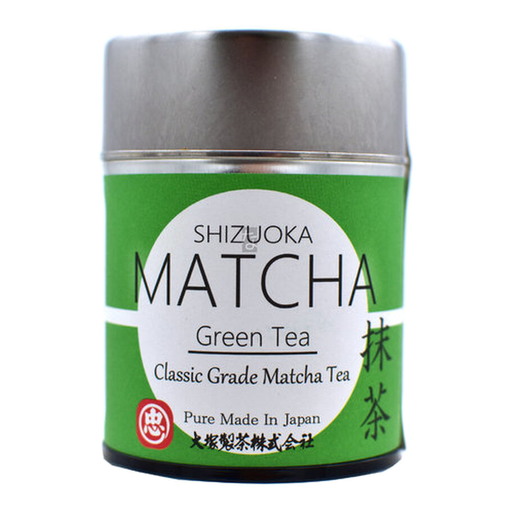
Why It Stands Out: This is a classic Japanese matcha powder sourced directly from Shizuoka, one of Japan's foremost tea-growing regions. It is traditionally stone-ground from shade-grown tencha leaves, a process that ensures a fine, silky powder and preserves the tea's full aromatic profile. It contains 100% pure matcha with no additives.
Pros:
Who is it for?: This is an excellent choice for anyone seeking an authentic matcha experience. It’s ideal for those who enjoy preparing tea traditionally with a whisk, as well as home cooks and baristas who want a high-quality powder for creating creamy matcha for lattes or enhancing desserts.
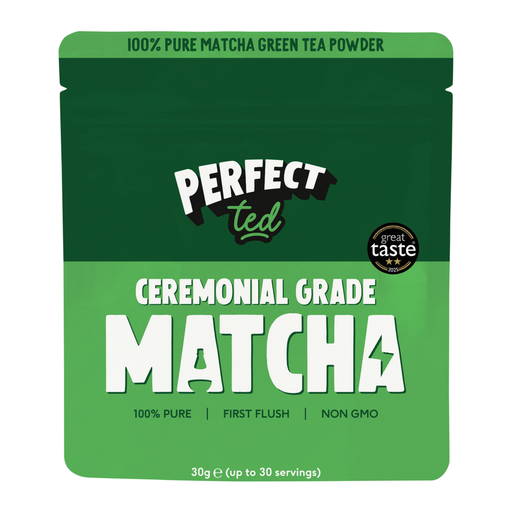
Why It Stands Out: As a ceremonial grade matcha, this powder is specifically designed for drinking. It offers a smooth and refined flavour profile that makes it a pleasure to enjoy on its own, showcasing the delicate qualities that define high-grade matcha.
Pros:
Who is it for?: Individuals who want to enjoy a premium cup of matcha tea as part of their daily routine. It’s a great starting point for those new to ceremonial grade or anyone looking for a dependable, high-quality powder for straightforward tea preparation.

Why It Stands Out: This ready to drink matcha tea from Itoen, a well-regarded Japanese tea company, delivers convenience without compromise. It blends green tea extract with Japanese matcha for a refreshing and balanced flavour that's ready whenever you are.
Pros:
Who is it for?: This is the perfect solution for busy professionals, students and anyone needing a quick and easy way to enjoy matcha. If you want the flavour of matcha without the fuss of whisking, this is an excellent choice to keep in the fridge.
While these selections cover a range of popular needs, the world of tea is vast and personal. If you're interested in exploring other infusions, different green tea varieties or unique blends, there are many more products to discover.
Explore our full Green Tea collection to find the perfect match for your palate.
1. What is the difference between matcha and regular green tea? The primary difference lies in the preparation and consumption. Regular green tea is made by infusing tea leaves in hot water, and the leaves are then discarded. With matcha, you are consuming the entire tea leaf, which has been ground into a fine powder and whisked into the water. This results in a more concentrated flavour and a different nutritional profile.
2. How should I store matcha powder to keep it fresh? Matcha is sensitive to light, heat and air, which can degrade its colour, flavour and aroma. To maintain its freshness, it's advisable to store it in an airtight container in a cool, dark place. An opaque tin or can, kept in a cupboard or the refrigerator, is ideal. If you refrigerate it, allow the container to return to room temperature before opening to prevent condensation.
3. Can I use any matcha to make a latte? You can technically use any matcha powder, but the results will vary. Culinary grade matcha is often recommended for lattes because its stronger, more astringent flavour can stand up to the creaminess of milk. Using a ceremonial grade matcha will produce a latte with a much smoother, more delicate and nuanced flavour. The choice depends on your personal taste and budget.