
24/7 Customer Support

Free returns

Same-day & Next-day Delivery

Quality Guaranteed

Unlock Your Welcome Offers: FREE Delivery | Up to 80% OFF | Free 30-day JoyPlus trial
Download the APP
As the Joybuy Product Recommendation Officer, my role is to help you navigate the crowded market of matcha green tea. Its popularity has soared, but so has the number of confusing claims and subpar products. Many shoppers find themselves with a dull, bitter powder or an incomplete kit, feeling disappointed with their home-cafe experience. This guide will help you sidestep common purchasing mistakes and identify the key features that truly matter.
Before you buy matcha online, let's look at the frequent pitfalls that catch UK buyers out.
Matcha Set: You find a beautiful matcha whisk and bowl, but after a few uses, your drink is clumpy and the whisk is misshapen. Many starter kits omit crucial tools like a fine-mesh sifter (for clump-free powder) or a whisk holder (to maintain the whisk's shape and longevity), leading to a frustrating experience.matcha latte, you grab an instant mix, only to find that sugar or creamer is the first ingredient. These convenient powders can contain more sugar than a fizzy drink, undermining the wellness-focused reasons many people turn to matcha in the first place.To ensure you get a product that delivers on its promise, focus on these objective parameters rather than marketing hype.
The most reliable indicator of a quality matcha powder is its colour. Look for a vibrant, almost electric green. A dull, yellowish or khaki-coloured powder is a sign of oxidation, lower quality leaves or improper storage. This vibrant colour comes from shade-grown tea leaves, a hallmark of authentic Japanese green tea production. Powders from renowned regions like Uji, Nishio or Kagoshima are often associated with higher quality. The powder itself should be silky and fine, similar to talcum powder, which helps it dissolve smoothly in water.
For those wanting to make matcha traditionally or create cafe-style lattes at home, the right tools are non-negotiable.
When considering any matcha product, from pure powder to instant mixes, the ingredients list is your source of truth. For pure organic matcha, the only ingredient should be "100% organic matcha green tea powder". For latte mixes or flavoured teas, check the order of ingredients. If sugar, creamer or maltodextrin appear before tea powder, you are buying a sweetened drink, not a tea-focused product.
We've selected a few products that align with different needs and help you avoid the common traps.
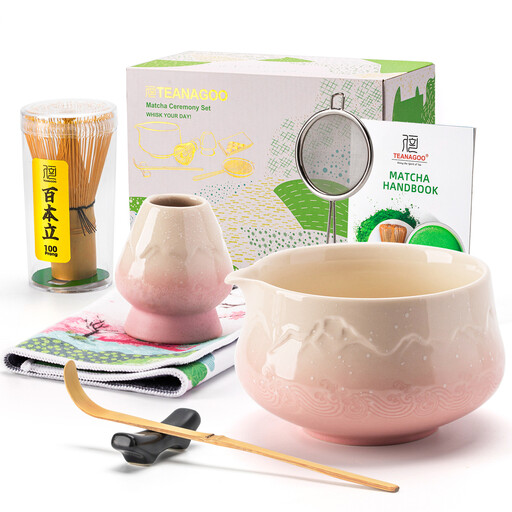
Why This Fits Their Persona: This is ideal for someone in the UK wanting to dive into the home-cafe culture. It combines aesthetics with practicality, making it a perfect starter kit or a lovely matcha gift set for a friend who loves creating beautiful drinks at home.
It directly solves the "incomplete kit" problem by including all seven essential pieces: a bowl with a spout, bamboo whisk, scoop, sifter and holders for both the whisk and scoop. This ensures you can make smooth matcha from day one and properly care for your tools.
The all-in-one design provides excellent value and convenience. The bowl's pouring spout is a thoughtful, modern touch that makes preparing lattes much cleaner and easier.
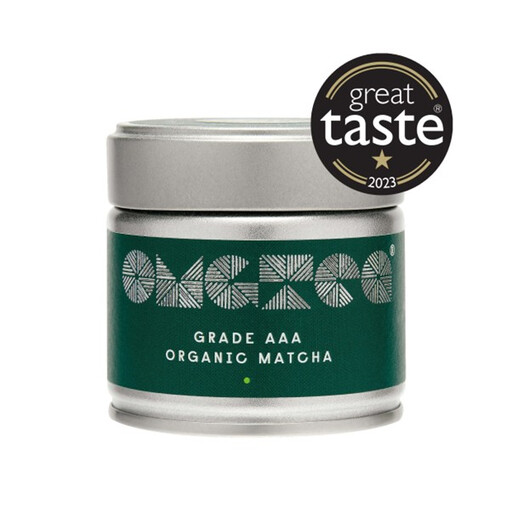
Why This Fits Their Persona: For the UK consumer focused on wellness and pure ingredients, this product is a straightforward choice. It's for someone who wants to drink matcha for its properties and flavour, without any additives or compromises.
This product directly counters the "sugary mix" and "fake ceremonial" traps. It is 100% organic matcha powder, ensuring no hidden sugars or fillers. The "AAA Grade" designation from a reputable brand provides more assurance of quality than a generic "ceremonial" label.
Its single-ingredient, organic status guarantees purity. This makes it a versatile powder suitable for traditional preparation (usucha), lattes or adding a clean matcha boost to smoothies.
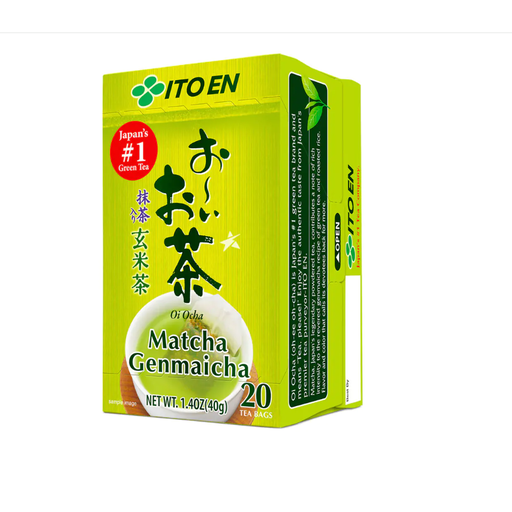
Why This Fits Their Persona: Perfect for the busy professional or student in the UK who enjoys the flavour of matcha but lacks the time for preparation. It's an easy, no-mess way to get a flavourful cup of Japanese green tea at the office or at home.
This product is transparent about what it is: a blend of roasted rice (genmai), green tea and matcha. It doesn't pretend to be pure ceremonial matcha and avoids the hidden sugar trap, as the ingredients are simply tea and rice. It delivers convenience without misleading claims.
The tea bag format offers ultimate convenience. The genmaicha blend provides a unique, comforting flavour profile with nutty notes from the roasted rice complementing the earthy matcha.
We have compiled a complete, real-time list of products that fully satisfy these strict selection criteria and UK safety regulations.
1. How can I tell if my matcha powder has gone bad? The two clearest signs are colour and aroma. Fresh, high-quality matcha has a vibrant green hue. If your powder has turned a dull, brownish or yellowish colour, it has likely oxidised and lost its flavour and beneficial properties. Similarly, it should have a fresh, sweet and grassy aroma. If it smells flat or stale, it's past its prime. Always store your matcha powder in an airtight container in a cool, dark place.
2. Do I really need a bamboo whisk for matcha? For making a traditional bowl of matcha, a bamboo whisk (chasen) is highly recommended. Its many fine tines are specifically designed to suspend the fine powder in water and create the signature layer of creamy foam, a feat that a metal whisk or fork cannot easily replicate. For a matcha latte, a small electric milk frother can be an effective alternative for mixing the powder with a small amount of water before adding milk.
3. Is "ceremonial grade" matcha worth the extra cost? Instead of relying solely on the "ceremonial grade" label, it's more practical to judge the powder on its objective qualities: colour, origin and fineness. A powder that is bright green, finely milled and from a reputable Japanese tea-growing region will provide the smooth, umami-rich flavour expected of a high-quality matcha for drinking. This is often worth the investment if you plan to drink it straight with water. For recipes like lattes, smoothies or baking, a good quality culinary grade can be a more economical and perfectly suitable choice.