Hosts managing a small drinks shelf
A labelled pouch or tin lets guests see what they are using, provided you can check the contents and close the pack between stays. Sealed sticks avoid leaving an opened shared container for the next guests.


Choose a labelled pack of 100% matcha if guests may prepare it with water, milk or in recipes. A separate tin makes sense only if you can keep it clean, dry and closed between stays; individual sticks simplify portioning, but flavoured sticks may contain sugar and flavourings and are not interchangeable with plain matcha.
The right format depends on how often guests will use the matcha and whether someone can look after an opened shared pack.
A labelled pouch or tin lets guests see what they are using, provided you can check the contents and close the pack between stays. Sealed sticks avoid leaving an opened shared container for the next guests.
Individual sticks offer a measured portion. Loose matcha offers more flexibility, but guests need a way to measure and mix it; flavoured latte sticks may contain ingredients beyond matcha.
Look for a plainly labelled matcha powder with a stated dose and preparation method, rather than assuming a sweetened latte blend will make the same drink.
Decide how the matcha will be served, then check the pack itself: a tin, pouch and stick place different demands on guest preparation and between-stay storage.
Consider it: When you can refill and inspect a shared drinks container between stays.
Trade-off: A tin adds a cleaning and labelling task; Grind's starter arrangement, for example, supplies a 30g pouch alongside a separate tin.
Consider it: When guests may use plain matcha for different drinks or recipes.
Trade-off: Guests must measure and mix the powder, and an opened pack needs suitable storage.
Consider it: When straightforward portions matter more than a shared container.
Trade-off: Check each variety: Waitrose lists PerfectTed's original stick at 1.5g and its flavoured sticks at 5g, with coconut sugar and flavourings in the flavoured varieties.
| Priority | What to check | Your needs |
|---|---|---|
| Storage | Confirm whether the powder comes in a can, pouch or separate tin-and-pouch set. Check how the opened pack closes and follow its storage directions; JING Tea advises keeping tea away from heat, light, moisture and odours. | I need a pack I can close and check between guest stays, rather than leaving an unidentified powder in a shared jar. |
| Ingredients | Read the full ingredient list and distinguish 100% matcha from sweetened or flavoured blends. Check the serving weight when comparing loose powder with sticks. | If guests might make tea with water as well as lattes, I want plain matcha rather than a flavoured drink mix. |
| Preparation | Look for a stated dose, water or milk instructions, and a mixing method that matches the equipment in the cottage. JING Tea specifies 1.5g per 160ml cup, 70°C water and 30 seconds of shaking or whisking for its ceremonial matcha. | Guests should be able to make a drink with the utensils provided, without having to guess the dose. |
| Guest information | Keep the current ingredients, allergen statement, serving size and any declared caffeine figure accessible. Compare caffeine figures only alongside their stated serving weights. | I want guests to be able to check what is in their particular powder or stick before preparing it. |
The pictured container may be separate from the powder. Grind describes a pouch plus a tin, while PerfectTed describes its 30g original matcha as a pouch.
Check the current pack description before planning the cottage shelf or decanting the contents.
Waitrose lists coconut sugar and natural flavourings in flavoured PerfectTed variety sticks. Their serving weights also differ from the original stick.
Choose by ingredient list and intended drink, not just by the word “matcha” on the pack.
Tea can deteriorate when exposed to heat, light, moisture or odours, according to JING Tea's storage guidance. An opened shared container also needs someone to check its condition between stays.
Close and store it as directed, check its label and best-before information, and replace stock as part of the cottage reset.
Ingredients and declared caffeine amounts differ between plain and flavoured products, and figures may refer to different serving weights.
Leave the current pack or an accurate copy of its product information where guests can consult it.
These examples illustrate different packs and preparation instructions; a brand name alone does not establish that a particular jar or tin is supplied.
A 30g organic matcha powder for hosts considering an unsweetened, measured drink.
A ceremonial matcha option with instructions for guests preparing it with water.
Examples of both a 30g plain-matcha pouch and individual variety sticks.
A starter arrangement for a host who wants a dedicated tin on the drinks shelf.
These options include named cans, a bag, loose matcha powders and portioned vanilla latte sachets for different cottage serving arrangements. Check each current pack before relying on it for shared storage or guest dietary information.
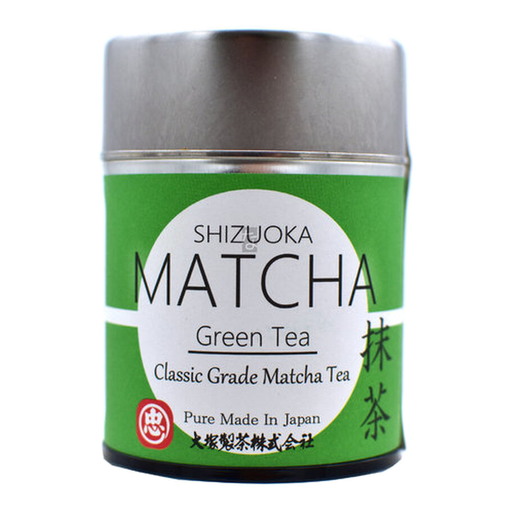 No image available
A named 30g can may suit a managed drinks shelf. Check the current label for storage, preparation, caffeine and dietary details, and make sure guests have a suitable way to mix loose powder.
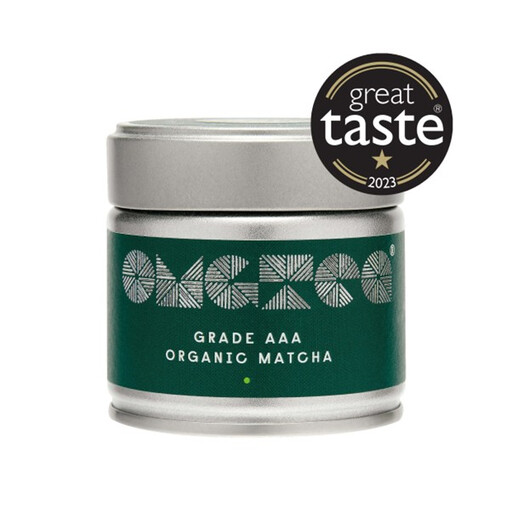 No image available
A 30g loose-matcha option for guests who will prepare their own drink. Confirm the current container, dose, after-opening storage directions and dietary information before putting it on a shared shelf.
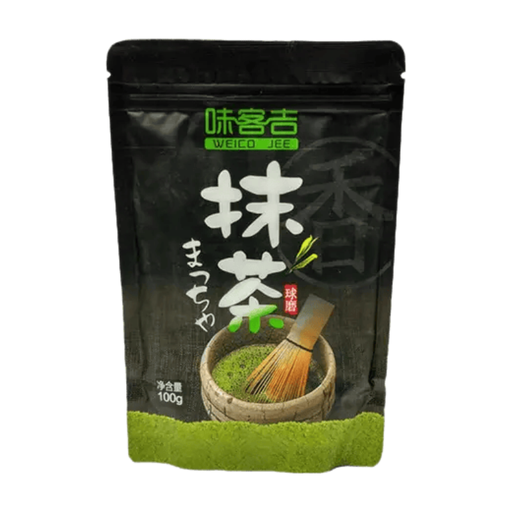 No image available
The 100g quantity may be worth considering where the host expects regular use. Check the current container, closing method and serving instructions before choosing it for a shared cottage supply.
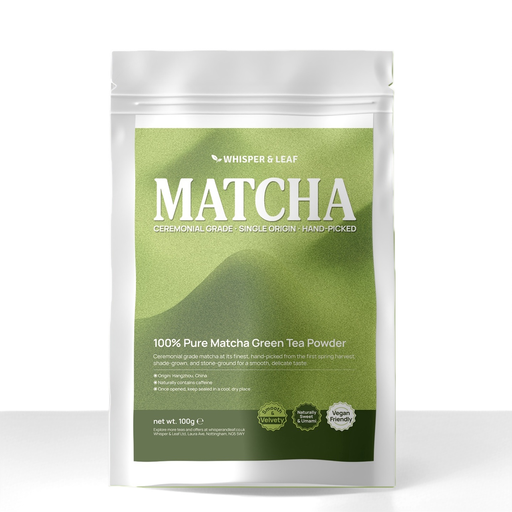 No image available
This is named as a 100g bag, not a jar or tin. If guests will share an opened bag, check how the current pack closes and keep its preparation and dietary information accessible.
 No image available
Six individual 12g sachets offer a portioned latte-style option rather than plain matcha powder. Product information flags oats and a sweetened vanilla blend; leave the current ingredient and allergen label available to guests.
No. A tin is useful if you can keep it clean, dry and closed between stays, but a labelled pouch avoids transferring powder to another container. Check what arrives: Grind describes its starter arrangement as a pouch plus a separate tin. JING Tea advises storing tea away from heat, light, moisture and odours.
A product listing 100% matcha allows guests to add it to water or milk without a sweetened flavouring already in the powder. Preparation still matters: JING Tea describes its ceremonial matcha as intended for water, while its culinary-style guidance addresses milk and recipes. Choose according to the drinks guests are likely to make, not the grade name alone.
Leave a suitable way to measure and mix it, and follow the chosen product's directions. For its ceremonial matcha, JING Tea specifies 1.5g per 160ml cup, 70°C water and 30 seconds of shaking or whisking; those figures should not be assumed to apply to every powder.
Keep the current ingredients, allergen statement, serving size and any declared caffeine figure accessible, preferably on the original pack. Compare caffeine declarations with their serving weights: Waitrose lists 43mg per 5g serving for a PerfectTed vanilla blend and 68mg per 2g serving for a PerfectTed pure matcha product. Those are different products and portions, not interchangeable per-cup figures.