
24/7 Customer Support

Free returns

Same-day & Next-day Delivery

Quality Guaranteed

Unlock Your Welcome Offers: FREE Delivery | Up to 80% OFF | Free 30-day JoyPlus trial
Download the APP
As a Joybuy Product Recommendation Officer, my role is to help you navigate the crowded online marketplace. When it comes to a distinctive treat like matcha ice cream, the difference between a delightful Japanese dessert and a disappointing purchase often comes down to a few key details. Many UK shoppers find themselves let down by products that don't live up to their authentic flavour expectations. This guide will help you understand what to look for, so you can buy matcha ice cream online with confidence.
The rise in popularity of Japanese cuisine has led to a flood of products on the market. Unfortunately, not all are created equal. Here are two common pitfalls to watch out for:
To ensure you're getting a high-quality product, shift your focus from the marketing imagery to the ingredient list and product specifications. Here are the core parameters to check before you buy.
The heart of any good matcha ice cream is, of course, the matcha itself. The term green tea ice cream is often used interchangeably, but true matcha offers a superior experience. Look for products that specify the type or origin of the matcha. For instance, Uji matcha ice cream is named after a region in Japan famous for producing high-grade tea. A key indicator of quality is the percentage of matcha powder listed in the ingredients; a higher percentage (e.g., 1.5% to 3%) generally points to a more robust and authentic flavour.
The creaminess of the ice cream depends entirely on its base ingredients. A premium product will typically use a simple, rich base of whole milk, cream and sometimes egg yolks. This creates a dense, velvety texture that melts smoothly. Be wary of ingredient lists that feature water or vegetable fats (like palm or coconut oil) at the top, as these can result in a less creamy, icier product.
The world of frozen Japanese snacks offers more than just a simple tub. Consider the format that best suits your occasion:
Based on these criteria, here are a few options that align with different preferences and needs.
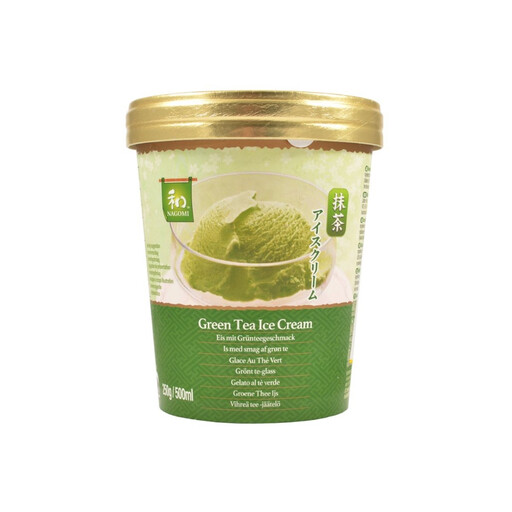
Why This Fits Their Persona: This is for the individual who wants a pure, unadulterated matcha experience. The focus is entirely on the flavour and quality of the ice cream itself, making it perfect for those who appreciate the traditional Japanese dessert profile.
It specifies a 3% matcha green tea powder content, ensuring a genuine, robust flavour, not just a hint of sweetness. The base is made with milk, cream and egg yolk, delivering a rich texture that avoids the icy pitfall.
Authentic, bittersweet flavour profile. Luxuriously creamy and velvety texture from a traditional custard-style base.
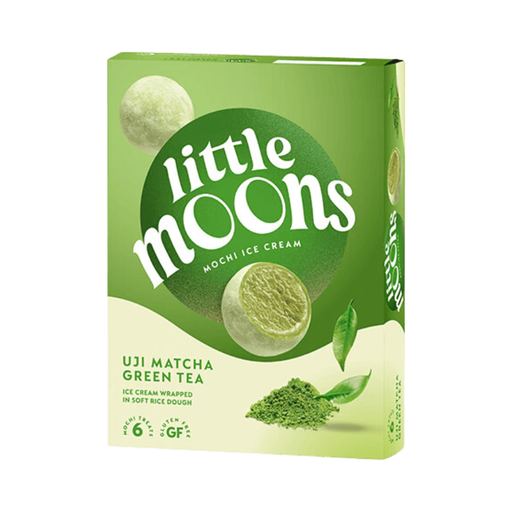
Why This Fits Their Persona: Perfect for those who love unique textures and 'Instagrammable' food experiences. The combination of chewy mochi dough and creamy ice cream is a modern classic, and the bite-sized format is ideal for sharing or a controlled indulgence.
This is a genuine matcha mochi, an authentic Japanese dessert format. The ice cream inside is made with Uji matcha and churned to be dense and flavourful, avoiding the pitfalls of both artificial flavour and poor texture.
Offers a unique soft and chewy textural experience. Convenient, portion-controlled and gluten-free (as it's made with rice flour).
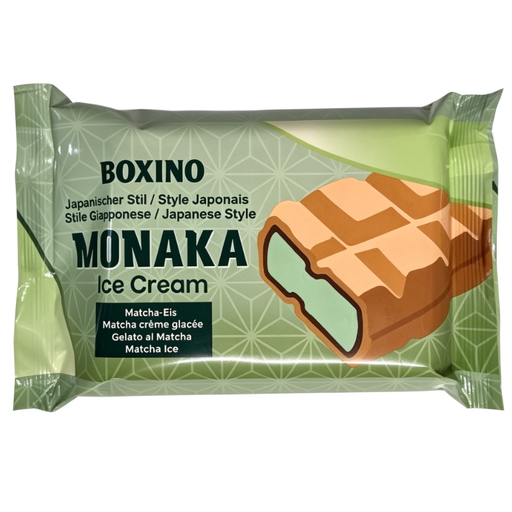
Why This Fits Their Persona: This is for someone who wants a quick, no-mess Japanese dessert. The monaka format—ice cream held between two crisp wafers—is a classic handheld snack in Japan, making it a convenient and satisfying single-serving treat.
By using the traditional monaka format, it offers an authentic Japanese snack experience rather than just a generic ice cream. The wafer provides a satisfying crunch that complements the creamy filling.
Combines crispy wafer with creamy ice cream for a pleasing texture. Single-serving size makes it a convenient, mess-free snack.
We have compiled a complete, real-time list of products that fully satisfy these strict selection criteria and UK safety regulations.
While the terms are often used interchangeably in the UK, "matcha ice cream" typically signifies a product made with finely powdered, high-grade Japanese green tea leaves. This results in a vibrant colour and a complex flavour profile with umami and slightly bitter notes. "Green tea ice cream" can be a broader term, sometimes referring to products made with different types of green tea extract (like sencha), which may yield a milder, less nuanced flavour.
The key is a stable temperature. Always store your ice cream at the back of your freezer, where the temperature is most consistent, rather than in the door. Ensure the lid is sealed tightly after every use. For tubs, you can press a piece of baking parchment or cling film directly onto the surface of the ice cream before putting the lid back on. This minimises contact with air and helps prevent ice crystals from forming.
This depends entirely on the product's format and ingredients. The ice cream itself is often gluten-free, but you must always check the label for additives or cross-contamination warnings. Matcha mochi is usually a safe bet as the dough is made from glutinous rice flour. However, formats like ice cream sandwiches or monaka, which include wafers made from wheat flour, will contain gluten.