
24/7 Customer Support

Free returns

Same-day & Next-day Delivery

Quality Guaranteed

Unlock Your Welcome Offers: FREE Delivery | Up to 80% OFF | Free 30-day JoyPlus trial
Download the APP
Matcha ice cream has moved from a niche Japanese dessert to a mainstream favourite in the UK. Its unique balance of earthy, slightly bitter notes and creamy sweetness is a refreshing change from typical frozen treats. However, as its popularity has grown, so has the number of options, not all of which deliver the authentic experience you might be looking for.
Many shoppers find themselves disappointed by products that miss the mark. Before you add a tub to your basket, it helps to be aware of a few common pitfalls that can lead to a less-than-satisfying purchase.
By understanding what to look for, you can easily sidestep these issues and find a matcha ice cream that truly satisfies.
To ensure you are getting a quality product, it pays to look beyond the packaging. Focusing on a few key parameters will help you make a better choice when you decide to buy matcha ice cream online.
The single most important factor for flavour is the matcha itself. When checking the ingredients list, look for green tea powder or matcha powder. Its position on the list matters—the higher up it is, the more of it there is.
A good indicator of a robust flavour is a matcha content of 1.5% or higher. For example, Nagomi Matcha Green Tea Ice Cream contains 3% matcha powder, signalling a rich and authentic taste. Products with less than 1% may struggle to deliver that distinctive earthy profile. The colour can also be a clue; authentic matcha provides a natural, deep green hue, not a faint or artificially bright one.
The creaminess of any Japanese ice cream is determined by its base. Traditional ice creams use milk and cream, which create a rich, smooth mouthfeel. Other frozen desserts might use a base of water, coconut oil and skimmed milk powder. While not inherently inferior, this can result in a lighter, sometimes less creamy texture, which is common in a matcha ice lolly.
For matcha mochi, the quality of the outer layer is just as important. It should be made from glutinous rice flour to achieve that signature soft, slightly chewy texture.
Matcha ice cream is available in several formats, each suited to different preferences and occasions.
To help you navigate the choices, we have matched a few standout products to different consumer profiles.
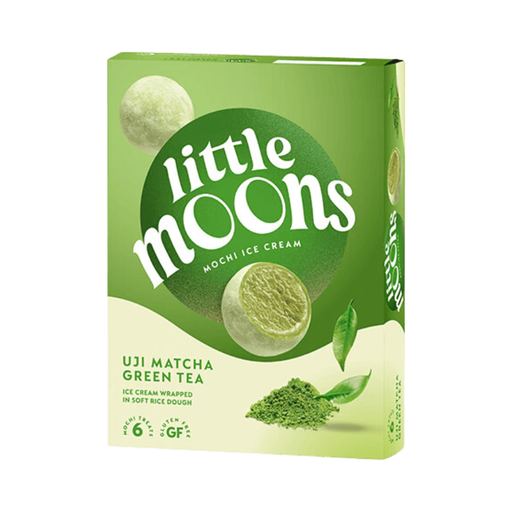
Why This Fits Their Persona: Perfect for those who love the unique, chewy texture of mochi. These bite-sized treats offer portion control and a novel dessert experience that has become incredibly popular across the UK.
It directly counters the "hard mochi" problem. The brand advises letting them soften for 5 minutes, ensuring the rice dough is perfectly soft and chewy, not hard. The 1.5% green tea powder provides a clear, authentic matcha flavour.
Gluten-free and comes in a pack of six, making it easy to enjoy an individual portion without opening a large tub. The gelato-style ice cream is dense and flavourful.
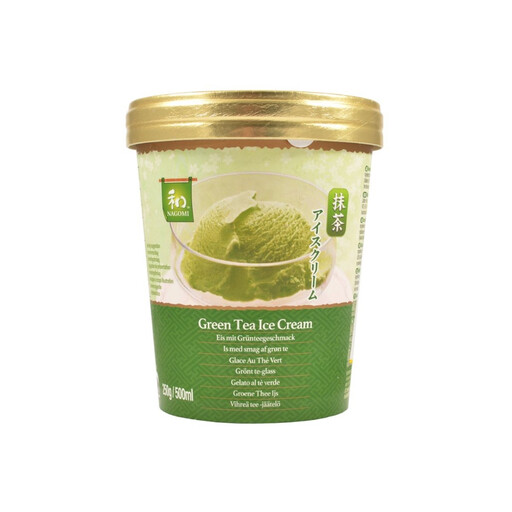
Why This Fits Their Persona: For those who want a classic, scoopable ice cream experience. This generous matcha ice cream tub is perfect for serving in a bowl after dinner or for families who want more than a single-serving treat.
This product avoids the "dull flavour" trap with an impressive 3% matcha green tea powder content, ensuring a deep, authentic flavour. Its milk and cream base delivers a velvety texture, steering clear of the icy consistency problem.
The 500ml size offers great value for a high-quality product. The flavour is sophisticated, balancing the bittersweet notes of matcha with a subtle sweetness, making it a refined dessert.

Why This Fits Their Persona: This is for the dessert lover who enjoys novelty and texture. It combines the trend of bubble tea with a classic matcha ice lolly, offering a fun, multi-layered eating experience that's perfect for an easy-to-eat treat.
Instead of relying on a simple matcha flavour that could be weak, this bar adds brown sugar boba-style mochi. This provides a chewy texture and complementary sweetness, ensuring it is anything but a one-note, dull dessert.
The combination of a matcha latte-flavoured bar with chewy mochi pieces is unique and satisfying. It's an all-in-one dessert that brings a popular drink flavour into a convenient frozen format.
We have compiled a complete, real-time list of products that fully satisfy these strict selection criteria and UK safety regulations.
The terms are often used interchangeably, especially in the UK. However, 'matcha' specifically refers to finely ground powder of specially grown and processed green tea leaves, which is what gives the ice cream its vibrant colour and distinct umami flavour. 'Green tea ice cream' is a broader term and might be made from other forms of green tea, like sencha. For the most authentic taste, look for products that specify matcha powder in the ingredients.
Mochi dough is made from glutinous rice flour and becomes firm when frozen. This is completely normal. To get the intended soft and chewy texture, you should let the mochi sit at room temperature for about 3-5 minutes before eating. This short wait allows the dough to soften while the ice cream inside remains frozen.
Like all ice cream, it should be stored in a freezer at -18°C or below. For tubs, ensure the lid is sealed tightly after each use to prevent ice crystals from forming, which can ruin the texture. For mochi and lollies, keeping them in their original packaging helps protect them from freezer burn. Avoid letting the product thaw and then refreezing it, as this will compromise its quality.