Parents making matcha between other tasks
Single-serve sticks remove the measuring step, but a drink may still need whisking, blending or shaking. Waitrose’s directions for PerfectTed variety sticks, for example, call for adding milk and mixing.


Choose plain matcha if you want to decide how much powder, milk and sweetener to use; choose sticks if measuring is the main obstacle; or consider a latte-oriented powder if you regularly make milk-based drinks. If you specifically want a jar, check the actual container, seal and storage directions before buying: neither a grade label nor the word “jar” establishes how the matcha is packaged or should be kept.
For an interrupted routine, the useful distinction is between choosing your own ingredients and having a portion measured for you. The pack still needs to fit how you will prepare and store it.
Single-serve sticks remove the measuring step, but a drink may still need whisking, blending or shaking. Waitrose’s directions for PerfectTed variety sticks, for example, call for adding milk and mixing.
Plain powder lets you decide what to add. Clearspring lists 100% matcha for its plain powder, whereas the vanilla stick in Waitrose’s PerfectTed variety pack lists coconut sugar and natural flavourings as well as matcha. Read the individual variant’s label rather than relying on the word “matcha”.
Check the amount for the product and serving you intend to use. Clearspring estimates approximately 32 mg of caffeine per 1 g of its dry powder; that figure should not be applied to a different blend or portion. During pregnancy, the NHS advises no more than 200 mg of caffeine a day from all sources.
Start with the drink you will actually make, then compare ingredients, preparation and the physical pack. A jar preference is a packaging requirement, separate from whether the matcha is plain or formulated for a latte.
Choose when: You want to prepare matcha with water or add your own milk and sweetener.
Trade-off: You must measure and mix each serving; check the pack for its own caffeine and storage directions.
Choose when: A pre-measured portion makes a short preparation window easier to manage.
Trade-off: Sticks still need mixing, and flavoured variants can have different ingredients from original matcha sticks.
Choose when: Most of your matcha will be made as a milk-based drink; JING positions its 100 g latte powder for that use.
Trade-off: A larger pack calls for a realistic plan for use and storage, while sweetened latte mixes need their own ingredient checks.
| Priority | What to check | Your needs |
|---|---|---|
| Caffeine per serving | Find the stated caffeine amount and its serving weight. Compare products on their own serving bases, and count caffeine from other foods and drinks. The NHS advises a limit of 200 mg a day during pregnancy. | I need to know how this particular serving fits alongside the other caffeine I consume, rather than use one estimate for every matcha drink. |
| Preparation | Check whether the product is loose powder or a measured stick, and whether its directions require whisking, blending or shaking. Pre-portioned does not mean ready to drink. | If I have only a brief window to make a drink, removing the measuring step matters more to me than choosing every portion myself. |
| Ingredients | Read the ingredients for the exact variant. Clearspring lists 100% matcha for its plain powder; Waitrose lists coconut sugar and natural flavourings in the vanilla PerfectTed stick. | I would rather choose my own milk and sweetness—or I may specifically want a flavoured mix. Those are different purchases even when both are labelled matcha. |
| Drink style | Check the maker’s intended preparation and measure. JING describes separate ceremonial matcha and a 100 g latte-oriented powder; the format name alone does not specify ingredients or packaging. | Will I usually whisk matcha with water, or make a milk-based drink? I want the product directions to match that routine. |
| Container and storage | Confirm the actual pack type, how it closes and the product’s post-opening directions. Compare pack quantity with how often you expect to use it; do not assume a jar preserves freshness better than another pack. | If I want a jar on the shelf, I need to confirm that the product arrives in one—not just that a listing mentions matcha powder. |
Waitrose’s PerfectTed variety pack includes an original matcha stick, but its vanilla stick also lists coconut sugar and natural flavourings. A flavoured drink and 100% matcha leave you with different choices about sweetness.
Read the ingredients for the exact flavour and pack you are buying, particularly if you intend to add your own milk or sweetener.
Clearspring estimates approximately 32 mg per 1 g of its plain powder, while PerfectTed states 43 mg per 5 g serving for its vanilla latte powder. The serving sizes and products differ. The NHS advises no more than 200 mg of caffeine a day during pregnancy.
Use the caffeine figure and portion on your chosen pack when working out a daily total; include other sources of caffeine.
“Ceremonial grade” does not tell you whether a product arrives in a jar, what else a blend contains or how its container closes after opening.
Check the product’s ingredient list, pack description and storage directions separately from its grade wording.
A 30 g powder, a 100 g latte powder and individual sticks create different measuring and storage routines. A larger quantity is useful only if it suits how often you will prepare it and how the maker says to keep it.
Compare your likely use with the pack size and follow the storage instructions for that specific product.
These examples show why it helps to compare individual products rather than assume every item from a brand has the same ingredients, serving size or container.
Clearspring’s organic Japanese ceremonial matcha is a plain-powder reference for shoppers who want to choose what to add to a drink.
JING presents separate ceremonial matcha and a 100 g powder positioned for lattes, giving shoppers a drink-style distinction to check.
PerfectTed has original and flavoured single-serve matcha options, as well as flavoured latte powder. Ingredients and serving information differ between them.
Teapigs has a matcha category on its UK site. An individual product still needs checking against a jar, ingredient or caffeine requirement.
These options span loose matcha powder, matcha latte sticks and portioned drink mixes. Compare the named format with your jar requirement: a tin, bag, stick or sachet should not be treated as a jar.
 No image available
A 30 g matcha powder option if you prefer to measure each drink. Check the current pack’s ingredients, caffeine per serving, container and storage directions before relying on it for a jar-specific purchase.
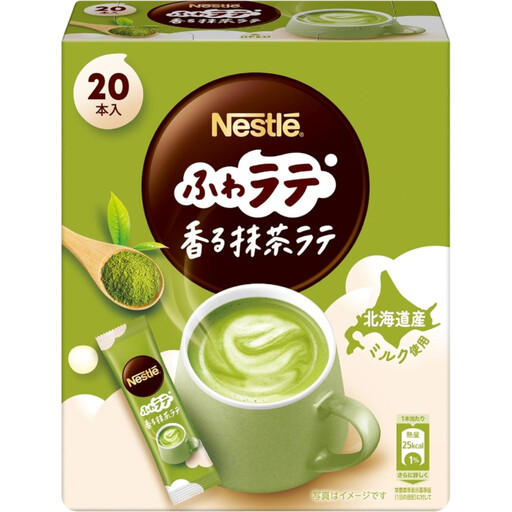 No image available
A matcha latte option presented as 20 pieces, rather than loose powder to measure for each drink. Check the individual pack’s preparation directions, ingredients, allergens and caffeine information, particularly if you need to account for each serving.
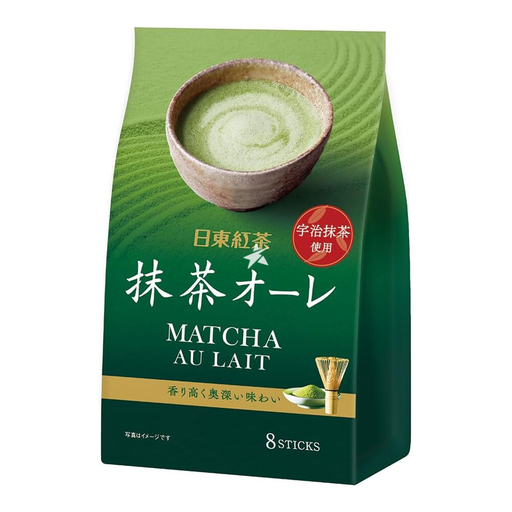 No image available
Eight sticks offer a portioned alternative to measuring loose powder. This is an instant matcha au lait product, not a jar of plain matcha; check its ingredients, allergens and caffeine information on the current pack.
 No image available
Six sachets provide separate portions of an oat-and-matcha drink mix. Check the current pack for its full ingredients, allergen information, mixing directions and caffeine per sachet; sachets do not meet a jar requirement.
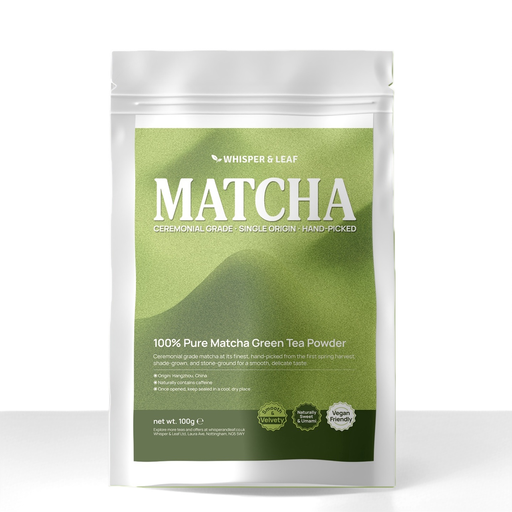 No image available
A 100 g bag of matcha powder for shoppers who expect to prepare loose powder regularly. It is labelled as a bag, not a jar; check the pack’s ingredients, serving guidance, caffeine information and post-opening storage directions before choosing this size.
Include it in your total caffeine for the day: the NHS advises no more than 200 mg daily during pregnancy. Use the serving on your actual product—Clearspring, for example, estimates approximately 32 mg per 1 g of its dry matcha powder—and account for caffeine from other foods, drinks and relevant medicines.
Check the caffeine information for the matcha and serving you plan to have, rather than using a figure from another product. If you need advice about caffeine while breastfeeding or about your individual circumstances, ask your health visitor, GP or pharmacist.
No. Waitrose lists matcha green tea for the original stick in its PerfectTed variety pack, while the vanilla stick also contains coconut sugar and natural flavourings. Choose by the ingredients of the exact variant if you want to control what is added to your drink.
Follow the storage instructions for the product you buy. A jar description alone does not establish its post-opening directions, so check the label rather than applying another powder’s storage advice.
Check the pack you receive before use, especially when ingredients or allergens affect your choice. M&S Food notes that product information, including ingredients and allergens, may change as products are redeveloped.