Plain-matcha drinkers
If you whisk matcha with water, look at products intended for drinking plain and read their preparation instructions. That puts the powder itself, rather than added milk or flavourings, at the centre of the choice.


Choose a plain matcha jar if you want to whisk the powder with water and decide what else goes into your drink; ceremonial matcha is generally positioned for that preparation. If you usually add milk or want a quicker break, consider a powder intended for lattes or a portioned sachet, but check whether it contains sugar, milk or flavourings. Matcha contains caffeine, so compare labels using the amount of powder you will actually use.
The way you prepare your afternoon drink matters more than the grade name alone.
If you whisk matcha with water, look at products intended for drinking plain and read their preparation instructions. That puts the powder itself, rather than added milk or flavourings, at the centre of the choice.
If milk or sweetener is usually part of your break, look for a product the maker recommends for lattes or mixed drinks. Check whether it is plain powder that you can mix yourself or a prepared latte blend.
Sachets remove the step of measuring powder and can be convenient away from a kitchen. Read the ingredients for the exact variant: a plain matcha sachet and a flavoured instant drink are different products.
Decide how you will make the drink, then compare the ingredients, serving information and pack format for that preparation.
| Priority | What to check | Your needs |
|---|---|---|
| Drinking plain | Check whether the maker recommends whisking the powder with water. Compare the stated amount of powder, water temperature and method for the exact product. | I want to taste the matcha without milk or sweetener, so a powder intended for water-whisked preparation makes sense. |
| Making lattes | Look for latte or mixed-drink preparation guidance. Distinguish plain powder from an instant blend that already contains other ingredients. | Milk is usually part of my afternoon drink; I want to know whether I will add it myself or use a prepared mix. |
| Ingredients | Read the full list and, for a flavoured product, the stated matcha percentage. Waitrose & Partners lists coconut sugar, 30% ceremonial matcha and natural flavourings in Perfect Ted Vanilla Bean Matcha. | I would rather choose how much sweetener to add, so I am looking for plain matcha rather than assuming every matcha-labelled powder is only tea. |
| Caffeine | Compare figures on the same serving basis and account for the quantity you prepare. Waitrose & Partners lists 68mg caffeine per 2g teaspoon for its Perfect Ted plain powder. | My afternoon matcha may follow another caffeinated drink, so the amount in the serving I make matters to me. |
| Format and storage | Compare a bag or jar that you measure yourself with individual sachets. Check the exact pack for instructions on preparation and storage after opening. | For regular drinks at home, I may prefer to measure from one pack; for an occasional break elsewhere, a portioned sachet is easier to carry. |
JING Tea describes ceremonial matcha as intended for whisking with water and culinary matcha as suited to lattes and cooking. A grade label does not replace checking the maker’s intended use.
Start with how you usually prepare matcha. If it will mainly go into milk or recipes, compare products labelled for those uses rather than choosing by grade name alone.
Blends can have substantially different ingredients from plain powder. Waitrose & Partners lists coconut sugar, 30% ceremonial matcha and natural flavourings in Perfect Ted Vanilla Bean Matcha.
Read the ingredient list and matcha percentage for the specific flavour and pack before treating a latte blend as equivalent to plain matcha.
A figure per teaspoon only describes that stated quantity. Waitrose & Partners lists 68mg per 2g teaspoon for Perfect Ted plain matcha; a drink made with a different amount needs to be considered on its own basis.
Check how much powder you intend to use and include other caffeinated drinks when considering your afternoon intake.
M&S Food describes matcha’s flavour as strong, earthy and grassy. Whisking it with water and mixing it with milk give you different ways to experience that flavour.
If you are unsure which preparation you prefer, consider a smaller pack or measured portions before choosing a larger one.
These product-line examples help distinguish plain, latte-oriented and flavoured matcha; a brand’s description is not an independent taste test.
Clearspring lists separate Japanese organic matcha powders, including a 40g premium-grade product and a 30g ceremonial-grade product.
JING Tea lists a 30g organic ceremonial matcha made from the Okumidori cultivar and gives separate guidance for matcha intended for lattes.
Waitrose & Partners lists PerfectTed plain matcha powder alongside flavoured and portioned matcha formats.
These options cover plain matcha for measured drinks, individual plain-matcha portions and instant blends for a quick latte-style break. Check each pack’s ingredients and instructions because the formats are not interchangeable.
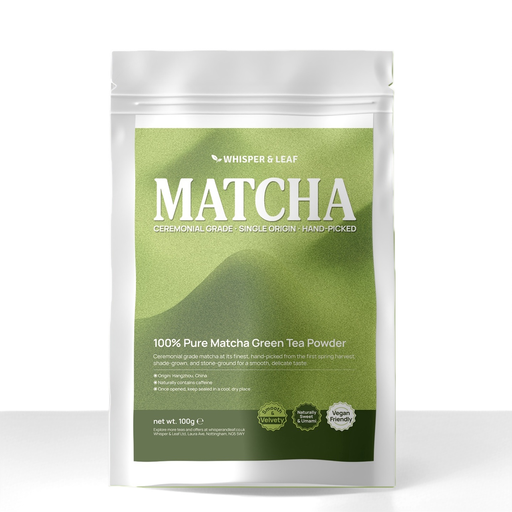 No image available
The listing describes this powder for both traditional preparation and lattes, making the bag worth considering if you alternate between the two. Check the pack’s caffeine and storage information for how you plan to use it.
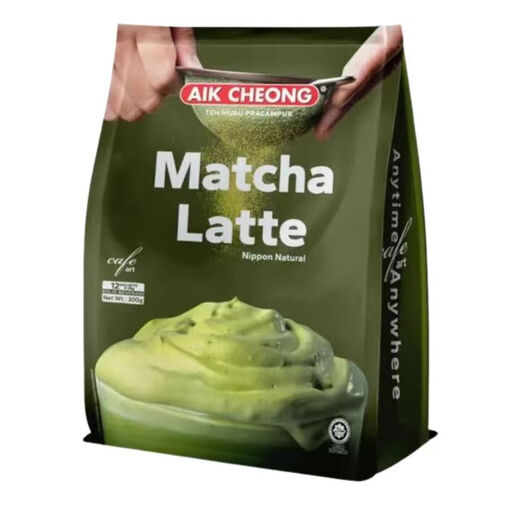 No image available
A portioned instant blend for a latte-style break rather than plain matcha. The listed blend contains milk powder and sugar; it contains milk and may contain traces of soy. Check the pack’s caffeine information if that affects your afternoon choice.
 No image available
This portioned oat-matcha drink is described for mixing with hot or cold water. It includes sugar and creamer rather than being plain matcha. The listing identifies milk, soy and oats, with possible traces of wheat and nuts; check the exact pack if these ingredients matter to you.
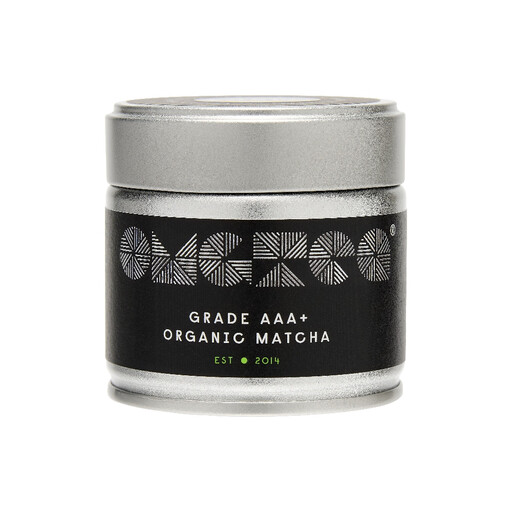 No image available
Consider this smaller pack if you plan to prepare matcha with water. The listing calls for sifting before whisking and keeping the airtight tin refrigerated after opening, so allow for those preparation and storage steps.
 No image available
Individual portions suit a break when you would rather not measure powder from a larger pack. These are described as plain matcha sachets, not a prepared latte blend; follow the exact pack’s preparation directions and check its caffeine information.
Choose based on how you will prepare it: JING Tea positions ceremonial matcha for whisking with water and culinary matcha for lattes and cooking. If milk is usually part of your afternoon drink, check the maker’s latte guidance rather than treating ceremonial grade as a requirement.
Follow the directions for the product you buy rather than assuming every powder uses the same amount. Check the suggested quantity of matcha, water and any milk for your chosen preparation, particularly when comparing a measured jar with a sachet.
Yes. Waitrose & Partners lists 68mg caffeine per 2g teaspoon for Perfect Ted plain matcha. Check the serving basis on your own pack and consider how much powder you use alongside other caffeinated drinks that day.
No: ingredients depend on the exact variant. Waitrose & Partners lists its Perfect Ted plain powder as 100% matcha, while Perfect Ted Vanilla Bean Matcha contains coconut sugar, 30% ceremonial matcha and natural flavourings.
Read the storage instructions on the exact pack before choosing a size you expect to use over several breaks. Directions can differ by product; the listed OMGTea powder, for example, calls for refrigeration in its airtight tin after opening.