Who is each format for?
The useful distinction is how the person will prepare and enjoy matcha, not whether a product is described as a nutrition product.
Someone who enjoys tea but wants simple preparation
A jar allows a measured amount to be mixed into a plain drink, latte or smoothie. Individual portions may be easier if opening a jar or measuring fine powder is awkward; the drink still needs to be mixed according to its pack instructions.
Someone with poor appetite or weight loss
Matcha can provide flavour, but the food or prepared drink must meet the person's nutritional needs independently of the tea powder. East Suffolk and North Essex NHS Foundation Trust advises focusing on energy-, protein- and micronutrient-dense foods when poor appetite makes it difficult to eat enough.
Someone monitoring caffeine or taking warfarin
Check caffeine alongside other drinks and supplements, rather than considering a matcha serving in isolation. Anyone taking warfarin should follow their anticoagulation team's advice before making a substantial change to their regular diet.
What should you check before choosing?
Decide first whether matcha will be drunk plain, mixed into something else or prepared from an individual portion. Then check the particular product and the complete prepared drink against the person's needs.
| Priority | What to check | Your needs |
|---|
| Food and drink intake |
Check the ingredients and serving basis. If relying on a prepared drink for nutrition, assess the whole drink rather than assuming the matcha powder supplies energy or protein. |
If my appetite is poor, I need food and drinks chosen for their nutritional contribution; matcha would only add flavour. East Suffolk and North Essex NHS Foundation Trust advises energy-, protein- and micronutrient-dense choices when intake is difficult. |
| Flavour and use |
Check whether the powder is intended for whisking with water or mixing into milk, smoothies or food. Read the ingredients if choosing a flavoured product. |
I would drink matcha plain only if I enjoy its flavour. Otherwise, I may prefer to mix it into a food or drink I already use; JING describes its ceremonial matcha as intended for whisking with water and its culinary range as suited to mixing and cooking. |
| Preparation |
Compare the steps for opening, measuring and mixing. For sachets, check the amount in each portion and the pack's preparation instructions. |
Measuring loose powder may be inconvenient for me or the person preparing my drink. An individual portion avoids measuring from a jar, though it does not remove the mixing step. |
| Caffeine and regular use |
Check caffeine information for the actual serving where available, and consider other caffeine sources. If taking warfarin, ask the anticoagulation team about changes to regular matcha use. |
I need to know whether a regular matcha drink fits my existing advice. Marks & Spencer notes that matcha typically contains more caffeine than other green teas; that does not establish the amount in a particular serving. |
Which brands provide useful reference points?
These brands illustrate differences in ingredients and intended preparation; their ranges are not a substitute for checking the particular product.
Clearspring
Offers Japanese matcha in several grades and formats, including individual portions.
- Clearspring lists its Premium Grade powder as 100% organic matcha green tea powder and describes uses in drinks and cooking.
- If the nutritional contribution of a prepared drink matters, assess its other ingredients and serving size rather than treating the matcha powder as nutritional support.
JING
Offers a 30 g organic ceremonial matcha alongside matcha intended for milk-based drinks.
- JING describes its ceremonial Okumidori matcha as traditionally stone-ground and intended for whisking with water.
- JING distinguishes that use from its more robust matcha for lattes and cooking; choose according to preparation and flavour preference, not an assumed nutritional advantage.
Teapigs
Has a dedicated matcha category within its UK tea range.
- Its matcha category offers a starting point for comparing tea formats.
- Check the individual product's ingredients, serving information and preparation instructions before choosing it for a particular routine.
Matcha options on Joybuy
These options include 30 g matcha products, a larger bag and individual sachets. Compare the container and preparation effort with how the older person will use the powder; none should be treated as a replacement for nutritionally appropriate food or drink.
 No image available
OMGTea AA Organic Matcha Gift Set, 30 g
A 30 g matcha gift set for someone who wants to prepare a drink from loose powder. Check the pack's ingredients, serving and preparation instructions, particularly if caffeine intake or the effort of measuring and mixing matters.
View on Joybuy
 No image available
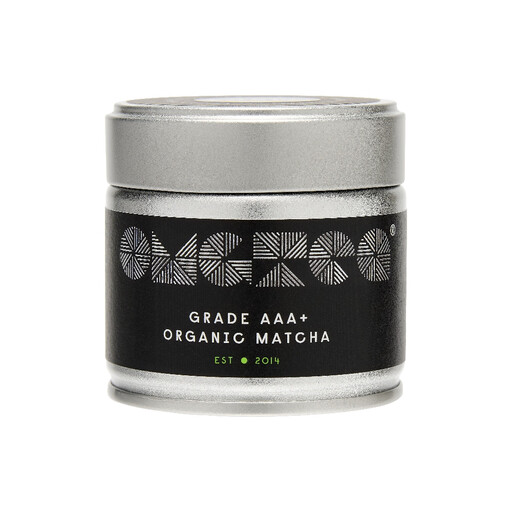
OMGTea Organic Matcha AAA+, 30 g
This 30 g loose matcha option suits a routine in which someone can measure and mix each drink. If it will be consumed regularly, check the current pack's serving and caffeine information alongside other caffeine sources.
View on Joybuy
 No image available
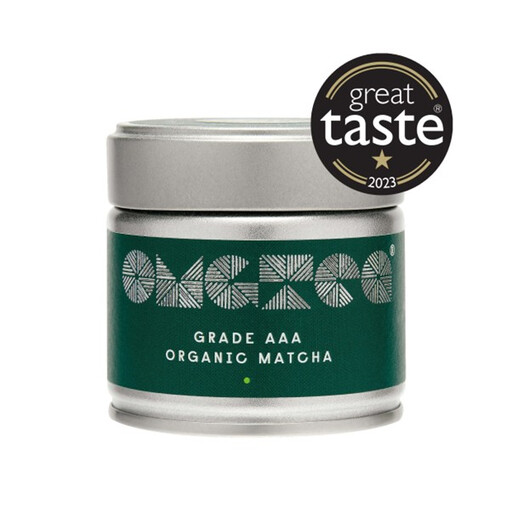
OMGTea AAA Organic Matcha, 30 g
Another 30 g loose-powder option for a measured matcha drink or for mixing into food. Check the current ingredients and serving directions; if the prepared food or drink needs to contribute energy or protein, assess it as a whole.
View on Joybuy
 No image available
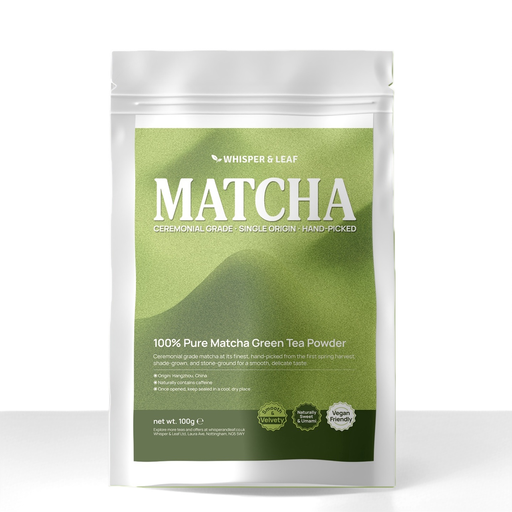
Whisper and Leaf Ceremonial Grade Matcha Powder, 100 g bag
The 100 g bag is an alternative for someone who wants loose matcha but does not need a jar. Allow for measuring and mixing each portion, and check the pack's serving and caffeine information if these affect the choice.
View on Joybuy
 No image available
Perfectted Matcha Powder Sachets, 7 × 1.5 g
Seven individual 1.5 g sachets offer an alternative to measuring powder from a jar. Check the exact pack's ingredients, mixing instructions and caffeine information before making them part of a regular routine.
View on Joybuy
Common questions
Can matcha improve an older person's nutrition?
Do not rely on matcha itself for nutritional support. East Suffolk and North Essex NHS Foundation Trust advises energy-, protein- and micronutrient-dense foods and drinks when poor appetite makes it difficult to eat enough. Matcha can add flavour, but assess the complete prepared drink if its nutritional contribution matters.
Should I choose ceremonial matcha for every drink?
Choose according to how the matcha will be prepared and whether the person enjoys its flavour. JING describes ceremonial matcha as intended for whisking with water and distinguishes a more robust culinary style for milk, baking and cooking; the grade alone does not establish a nutritional benefit.
What if the person taking matcha also takes warfarin?
Follow the person's anticoagulation team's advice before making a substantial change to regular matcha use. Cambridge University Hospitals NHS Foundation Trust advises consistent intake of vitamin-K-containing foods for people taking warfarin, so changes to the wider diet should be discussed in that context.
Does a matcha product's nutrition claim prove it will help with poor appetite?
No. Judge the product and any prepared drink by their ingredients, serving and relevant nutrition information, not a broad promise. GOV.UK states that food businesses must follow rules for nutrition and health claims and cannot claim or imply that a food treats, prevents or cures a disease or medical condition.


