What should you check before ordering?
Set the serving time and drink style first, then work out how the chosen pack or recipe will cover 240 cups.
| Priority | What to check | Your needs |
|---|
| Serving time |
Check whether the drink contains caffeine and whether guests may go to bed soon afterwards. NHS Every Mind Matters says caffeine in tea can make people feel more awake. |
I want to offer a hot drink near bedtime without assuming that matcha suits everyone; a product labelled caffeine-free gives guests another choice. |
| Portion count |
Confirm bags per pack and the number of packs required. Clearspring lists 20 bags in its Matcha Sencha pack; 12 such packs would provide 240 bags, not one 240-bag box. |
Individual bags would simplify portion counting for my event, but I need to check the actual pack size and quantity before ordering. |
| Drink style |
Read the ingredients rather than relying on the word ‘matcha’. Clearspring lists its Matcha Sencha bags as 97.5% sencha leaves and 2.5% matcha powder; its powdered matcha is a different preparation format. |
For an infused green tea, a blend may fit my menu. If I am planning a drink made from matcha powder, I need to choose and prepare that format instead. |
| Powder preparation |
Check the measure for the exact product and recipe, plus the equipment and time needed to prepare cups. Clearspring gives a 1 g powder measure; 240 portions at that measure would use 240 g before any recipe adjustments. |
Can the people serving the drinks measure and prepare each cup at the pace my supper requires? |
| Caffeine information |
Check the product-specific serving measure and caffeine information alongside other sources consumed that day. Clearspring estimates approximately 32 mg caffeine per 1 g of its dry matcha powder; that is not a figure for every matcha product. |
I want guests to be able to distinguish the matcha drink from a caffeine-free option, particularly if they are monitoring their total intake. |
Joybuy options for a caffeine-free alternative
These herbal tea options are for a late-night supper where guests may prefer a drink labelled caffeine-free instead of matcha. Check the quantity needed for 240 servings: the listed products are individual packs, not a single 240-bag matcha box.
 No image available
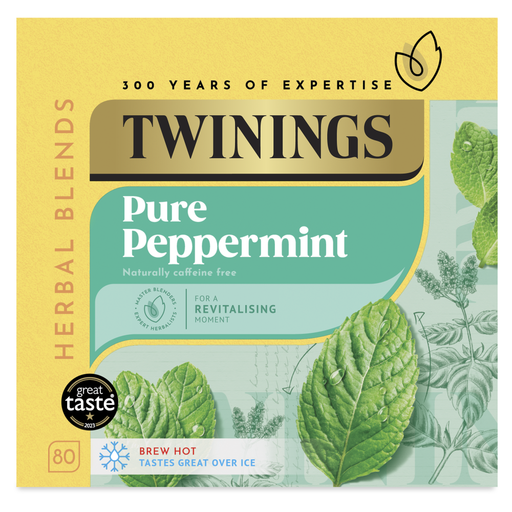
Twinings Pure Peppermint 80 Pack
For a supper close to bedtime, the product information describes this peppermint infusion as caffeine-free. The pack contains 80 tea bags, so check how many packs the event requires; it is not matcha.
 No image available
Twinings Lemon & Ginger Tea Bags 20 Pack
This lemon-and-ginger herbal infusion is described as caffeine-free in its product information. Each pack has 20 tea bags; check the quantity required if planning 240 cups. It is not matcha.
 No image available
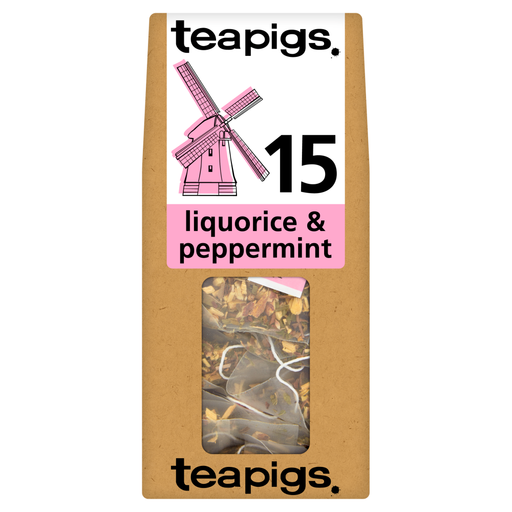
teapigs Liquorice & Mint 15 Tea Bags
The product information describes this liquorice-and-mint herbal infusion as caffeine-free. A pack has 15 tea bags, so confirm both the required pack quantity and whether its ingredients suit the guests; it is not matcha.
 No image available
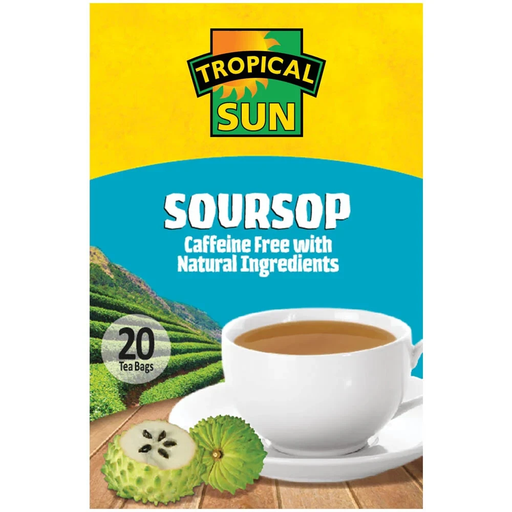
Tropical Sun Soursop Tea 20 Tea Bags
This soursop-leaf herbal tea is described as caffeine-free in its product information. The pack contains 20 tea bags, so plan the number of packs separately from any matcha drinks.
 No image available
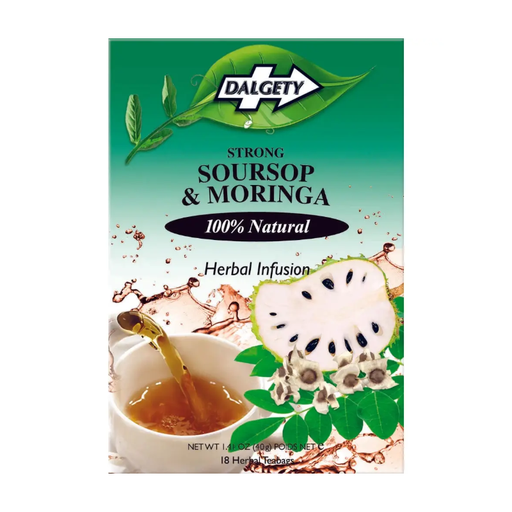
Dalgety Soursop & Moringa Tea 40g
The product information describes this soursop-and-moringa herbal tea as caffeine-free. It is a 40g product rather than matcha; check the tea-bag count on the pack when planning service for 240 guests.
Questions about serving matcha at supper
Should I serve matcha just before guests go to bed?
Offer a caffeine-free choice if guests are likely to sleep soon afterwards. NHS Every Mind Matters says caffeine in tea can make people feel more awake, and Clearspring estimates approximately 32 mg caffeine per 1 g of its dry matcha powder; other products and serving measures may differ.
How could I plan 240 matcha servings?
For individual bags, 12 Clearspring Matcha Sencha packs of 20 bags would total 240 bags, but they would remain separate retail packs. For powder, Clearspring’s 1 g preparation measure would amount to 240 g for 240 drinks at that measure; confirm the actual recipe, equipment and quantities before ordering.
What UK caffeine guidance matters during pregnancy?
Food Standards Scotland and the Food Standards Agency recommend a daily caffeine limit of 200 mg during pregnancy, counting caffeine from sources such as tea and coffee as well as supplements. That is guidance on total intake, not a caffeine figure for a particular cup of matcha.
Is a matcha tea bag the same as powdered matcha?
No: the ingredients and preparation can differ. Clearspring’s Matcha Sencha tea bags contain 97.5% sencha leaves and 2.5% matcha powder; if the menu calls for a drink prepared from matcha powder, check the powder product and its recipe instead.


