Students with only a kettle
A tea-bag blend fits a hot-water break without measuring powder. Clearspring instructs buyers to infuse its Matcha Sencha sachet for 1–2 minutes; powder and latte mixes have different preparation steps.


For lunch with only hot water available, a Matcha Sencha tea bag is simpler to prepare than a powder; choose pure matcha if you want to measure it yourself and can mix it. Latte powders and flavoured sticks suit a milk-based drink when you have the ingredients and equipment their instructions call for. Check the exact pack’s composition, preparation method and caffeine information rather than choosing by a grade name alone.
A tea-bag blend fits a hot-water break without measuring powder. Clearspring instructs buyers to infuse its Matcha Sencha sachet for 1–2 minutes; powder and latte mixes have different preparation steps.
Pure matcha lets you choose the amount of powder and whether to mix it with water or milk. Clearspring lists its Premium Grade powder as 100% matcha, while the flavoured sticks in Waitrose’s cited PerfectTed variety pack contain coconut sugar and flavourings.
A latte-oriented powder or individual stick is worth considering if milk and a way to mix the drink are available at lunch. Check the method on the particular pack: JING’s latte powder and PerfectTed’s variety sticks give different quantities and mixing instructions.
Start with what you can prepare between lectures, then compare ingredients and serving information for the drink you actually want.
| Priority | What to check | Your needs |
|---|---|---|
| Preparation | Check whether the pack calls for infusion, measuring or mixing, and whether it requires milk. Clearspring specifies a 1–2 minute infusion for its Matcha Sencha sachets; the PerfectTed variety sticks at Waitrose call for 200ml milk and whisking, blending or shaking. | If I only have hot water and a short break, I need a format I can prepare without milk or mixing equipment. |
| Ingredients | Read the proportions and the ingredients for each flavour. Clearspring’s cited sachet is 97.5% sencha and 2.5% matcha; its Premium Grade powder is 100% matcha. The flavoured PerfectTed sticks cited by Waitrose contain coconut sugar and flavourings. | I might want brewed green tea with some matcha, a pure powder I can measure, or a flavoured latte. The word “matcha” alone does not tell me which I am buying. |
| Caffeine | Use serving information for the exact product and amount prepared. Clearspring estimates approximately 32mg caffeine per 1g of its dry Premium Grade matcha; that figure does not establish the content of another powder or blend. | If I also drink coffee or other caffeinated drinks, I want to account for the matcha serving I make, not assume every pack contains the same amount. |
| Pack label | Check the current ingredients and allergen information for the exact flavour, along with any milk used to prepare it. Waitrose advises checking the physical label because recipes can change. | When an ingredient or allergen matters to me, I need the details for the pack and drink I will use, rather than the range name. |
Clearspring lists its Matcha Sencha sachet as 97.5% sencha and 2.5% matcha. That is a different ingredient composition from its 100% matcha powder.
Read the ingredient proportions where given, then decide whether you want a brewed tea blend or a drink made from pure matcha powder.
The vanilla, strawberry and blueberry sticks in the cited PerfectTed pack contain coconut sugar and flavourings; the original stick has a different ingredient list.
Check the ingredients for the particular stick before choosing a flavour or the original version.
The cited PerfectTed sticks require milk and mixing. JING’s latte powder also gives a method involving a shaker, so neither has the same preparation method as a tea bag.
Check what you can carry or obtain at lunch. If you need a hot-water infusion, choose a product whose instructions specify that method.
A powder or stick may also mean carrying milk and a suitable way to mix it.
Clearspring’s estimate of approximately 32mg per 1g of dry powder applies to its cited product, not automatically to other brands or blends. The NHS advises pregnant people to have no more than 200mg caffeine a day from all sources.
Check the exact product’s serving information and consider other sources of caffeine consumed that day.
These examples show how product formats differ; a brand or retailer mentioned here is not necessarily represented among the Joybuy products below.
Offers pure matcha powder alongside Matcha Sencha loose-leaf tea and sachets.
Lists a pure ceremonial matcha and a separate powder positioned by JING for lattes.
Offers matcha in original and flavoured, individually portioned formats through the cited supermarket listings.
Its cited matcha category includes powder and sachet listings, which allow formats to be compared.
Its cited PerfectTed variety-pack listing gives flavour ingredients and preparation instructions.
Lists a matcha green tea product; teapigs describes its matcha as coming from Japan’s Nishio region.
Describes café matcha drinks made with PerfectTed Matcha, with a choice of dairy or plant-based milk.
These options cover a tea-bag blend, a ready-to-drink latte and portioned matcha mixes. Choose by the preparation method and ingredients that suit your lunch break.
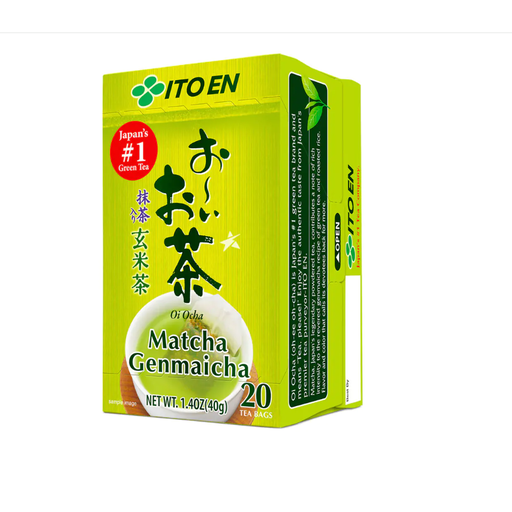 Image unavailable
A portioned tea-bag format for a lunch break with hot water. The listing identifies roasted rice at 60%, green tea and matcha powder at 3%; check the pack for its infusion instructions and caffeine information.
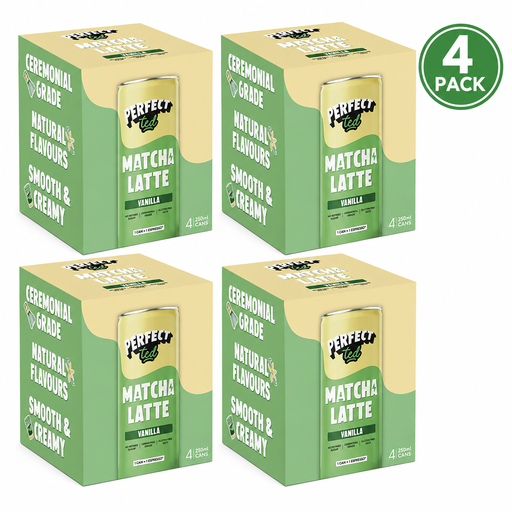 Image unavailable
A ready-to-drink option if mixing a latte at lunch is impractical. The listing describes an oat drink containing agave nectar and 0.7% matcha, with 24mg caffeine per 100ml; check the can’s volume and current label when assessing a whole serving.
 Image unavailable
Individual sachets offer a portioned option to carry between lectures. Check the pack’s ingredients and preparation directions before deciding whether these sachets fit the drink and equipment you have in mind.
 Image unavailable
Pre-portioned vanilla latte mix for a break when stirring a drink is practical. The listing specifies 15% matcha, coconut blossom sugar and vanilla flavouring, and gives a method using 200ml hot water or plant-based milk. Check the current physical pack for allergen information, as the product descriptions differ.
A tea-bag Matcha Sencha blend is an option that does not require measuring powder or adding milk. Clearspring instructs buyers to infuse its sachet for 1–2 minutes; check other packs for their own directions.
Choose pure matcha if you want to measure the powder and mix your own drink; choose a Matcha Sencha sachet if you want a brewed tea format. Clearspring lists its Premium Grade powder as 100% matcha and its cited sachet as 97.5% sencha and 2.5% matcha.
No. The vanilla, strawberry and blueberry sticks in the cited PerfectTed variety pack contain coconut sugar and flavourings, unlike the original stick. Check the ingredients of the exact flavour you intend to use.
Follow the method for the particular product. JING’s cited latte powder calls for 2g powder with 40ml water at 80°C in a shaker, while the cited PerfectTed sticks call for 200ml milk and whisking, blending or shaking.
Count matcha alongside other sources of caffeine: the NHS advises pregnant people to have no more than 200mg caffeine a day. Clearspring estimates approximately 32mg per 1g of its dry Premium Grade matcha, but that product-specific figure should not be applied to another matcha without its own serving information.