
24/7 Customer Support

Free returns

Same-day & Next-day Delivery

Quality Guaranteed

Unlock Your Welcome Offers: FREE Delivery | Up to 80% OFF | Free 30-day JoyPlus trial
Download the APP
Matcha mochi has become a staple treat in the UK, moving from niche Asian supermarkets to the mainstream freezer aisle. Yet, with this popularity comes a flood of options, and not all are created equal. It’s easy to be disappointed by a treat that promises an authentic Japanese experience but delivers a bland, sugary taste or a tough, chalky texture.
As the Joybuy Product Recommendation Officer, my role is to help you navigate the market. We will look past the colourful packaging and marketing buzz to focus on what truly matters. Let's break down the common pitfalls to avoid and the key factors to check, ensuring your next matcha mochi purchase is a satisfying one.
frozen mochi dessert or a shelf-stable snack? Is it a gluten free mochi? The lines can be blurry. Some hybrid products, like mochi-filled cookies, contain wheat, while traditional Japanese mochi made from glutinous rice flour is naturally free from gluten. Not checking the label can lead to disappointment for those with specific dietary needs.To make a confident choice, focus on these three core parameters. They will help you distinguish a high-quality product from a subpar imitation.
First, decide what you need. Your choice will depend on whether you're looking for an instant dessert, a convenient snack or a creative kitchen project.
mochi dessert, often filled with a sweet paste like red bean or a matcha-flavoured cream. They don't require refrigeration and are usually individually wrapped, making them ideal for lunchboxes or on-the-go snacking.bot nep. This allows you to create a truly authentic mochi dessert from scratch.The quality of the green tea powder is paramount. Look for products that specify the type or origin of their matcha. For instance, "Uji matcha," from a region in Japan famous for its high-quality tea, typically indicates a richer and more authentic flavour profile. A clear, vibrant green colour (without artificial colouring) and a prominent matcha listing in the ingredients are good signs.
The unmistakable chewy texture of mochi comes from one essential ingredient: glutinous rice flour. Despite its name, this flour contains no gluten. The term "glutinous" refers to the sticky, glue-like consistency it develops when cooked. If a product's ingredient list doesn't feature glutinous rice flour (or sweet rice flour) near the top, it is unlikely to deliver that authentic, satisfying chew.
Based on these criteria, here are a few recommendations tailored to different needs and preferences.
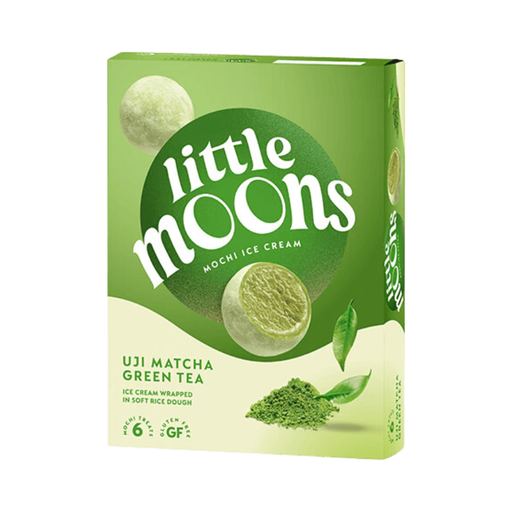
Why This Fits Their Persona: This is for the person who wants a reliable, high-quality frozen dessert that lives up to the social media hype. It's a convenient and perfectly portioned treat for an evening indulgence.
It uses Uji matcha green tea, delivering an authentic, earthy flavour that isn't overly sweet. The brand is known for its soft gelato and chewy mochi dough, avoiding the texture disappointment.
It is a gluten free mochi, making it accessible for those with dietary restrictions. The flavour is well-balanced and sophisticated.
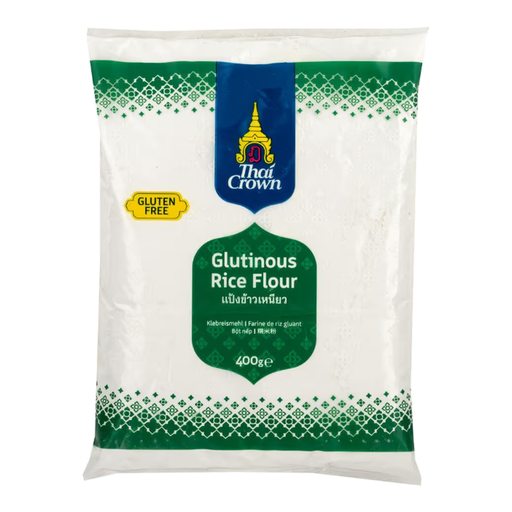
Why This Fits Their Persona: For those who love a weekend kitchen project and want to learn how to make mochi. This flour provides the authentic foundation for creating fresh, customised matcha mochi at home.
You have full control. You can use high-quality matcha powder and adjust sweetness to your liking, completely avoiding the weak flavour pitfall. The texture will be fresh and exactly as you prepare it.
This is a versatile pantry staple for a wide range of Asian desserts. It is naturally gluten-free and allows for endless creativity with fillings and flavours.

Why This Fits Their Persona: Perfect for someone seeking a convenient, shelf-stable treat to enjoy at work or while travelling. It offers a more interesting alternative to a biscuit or chocolate bar.
This product uses a distinct green tea paste filling and powder in the dough, ensuring a concentrated matcha flavour. The high glutinous rice content delivers the classic soft and chewy texture expected of a quality mochi.
It's a classic, reliable Japanese mochi snack that doesn't require refrigeration. The texture is consistently soft and satisfying.
We have compiled a complete, real-time list of products that fully satisfy these strict selection criteria and UK safety regulations.
Often, but not always. The mochi dough itself, when made traditionally with glutinous rice flour, is naturally gluten-free. This applies to most matcha mochi ice cream and many shelf-stable varieties. However, you must always check the full ingredients list. Some products, particularly those with cookie or cake elements, may contain wheat flour. The "Allergens" section is your most reliable source of information.
Frozen mochi should be kept in your freezer at or below -18°C to maintain its quality. For the intended eating experience, it's a good idea to let a piece rest at room temperature for about 3-5 minutes before consuming. This allows the outer mochi dough to soften slightly, creating the perfect contrast with the firm ice cream inside.
This is a crucial distinction for anyone wanting to how to make mochi. Glutinous rice flour (or bot nep) is milled from a type of short-grain rice that is very low in amylose and high in amylopectin, which makes it sticky and elastic when cooked. This is what gives mochi its signature chew. Regular rice flour is made from long or medium-grain rice and lacks this sticky property, resulting in a texture that is crumbly or pasty, making it unsuitable for mochi.