Water-first matcha drinkers
If you want to taste the matcha itself and do not mind measuring and whisking powder, look at plain products with directions for a cup made with water.


Choose plain matcha if you usually whisk it with water or want to control the amount you add to other drinks and recipes. A latte-oriented powder suits a milk-based routine, while pre-portioned sachets save measuring but may contain sugar or flavourings, depending on the variety. Check each product’s ingredients, serving directions and stated caffeine rather than treating every matcha blend alike.
Start with the drink you actually make: matcha whisked with water, a latte or a portion you can take to work.
If you want to taste the matcha itself and do not mind measuring and whisking powder, look at plain products with directions for a cup made with water.
If milk is part of your usual drink, compare powders intended for lattes and follow their preparation directions. A ceremonial label alone does not tell you how a particular powder is meant to be mixed.
Individual sticks remove the measuring step, though you may still need milk and a way to mix the drink. Check the ingredients of each flavour if you want plain matcha.
Decide whether the morning drink is made with water or milk, then compare the preparation steps, ingredients and serving information on the specific pack.
| Priority | What to check | Your needs |
|---|---|---|
| Drink format | Check whether the maker gives directions for whisking with water, mixing with milk or using the powder in recipes. JING Tea specifies 1.5g in a 160ml cup at 70°C for its plain ceremonial matcha, but 2g with 40ml water at 80°C for its latte product. | I usually drink matcha with water and want to taste the tea itself. If I nearly always add milk, a product with latte directions is a more relevant starting point. |
| Ingredients | Read the list for the exact powder or flavour. Clearspring lists 100% organic matcha for its Ceremonial Grade powder; the vanilla stick in the Waitrose-listed PerfectTed variety pack includes coconut sugar and natural flavourings. | I want to choose my own additions rather than have them built into the blend. For a flavoured stick, I would check that flavour’s ingredients, not just the pack name. |
| Preparation | Check the portion size, required liquid and mixing method. A stick removes measuring, but the Waitrose-listed PerfectTed variety sticks are intended to be mixed with milk. | On a rushed morning, a fixed portion could help. I still need the liquid and a way to mix it, so the whole preparation routine matters. |
| Caffeine | Compare caffeine declarations using their stated serving sizes. The Waitrose & Partners listing for PerfectTed plain matcha states 68mg per 2g serving; that figure should not be applied to other products. During pregnancy, NHS guidance advises no more than 200mg caffeine a day from all sources. | If I keep track of caffeine, I need the amount for the matcha serving I make and must account for other caffeinated food and drinks that day. |
In the Waitrose-listed PerfectTed variety pack, the original stick is plain matcha, while the flavoured versions include coconut sugar and natural flavourings. The choice changes what goes into the drink.
Read the ingredient list for the particular flavour. If you want to decide what to add yourself, look for a product listing only matcha.
JING Tea gives different preparation directions for its plain ceremonial matcha and its latte matcha. A grade name does not replace directions for the drink you intend to make.
Choose your usual water or milk format first, then compare the product’s stated use, ingredients and preparation method.
Caffeine declarations refer to particular amounts of powder. The Waitrose & Partners listing states 68mg per 2g serving for PerfectTed plain matcha; it is not a figure for every tin or sachet.
Use the caffeine information and serving size for your chosen product when accounting for your daily total. During pregnancy, the NHS advises no more than 200mg caffeine a day from all sources.
A measured portion saves scooping powder, but a latte sachet can still require milk and whisking, shaking or blending.
Check the full preparation directions against the time and equipment you have during your morning break.
These product lines illustrate different ways to prepare matcha; a brand name alone does not identify the ingredients or directions of every variant.
Clearspring positions its Premium Grade matcha for drinks and recipes and offers a separate Ceremonial Grade product.
JING Tea distinguishes plain ceremonial matcha from a product intended for lattes.
PerfectTed appears in Waitrose & Partners listings as both a plain powder and a variety pack of individual sticks.
These Joybuy options cover a ready-to-drink latte, portioned latte mixes and plain matcha sachets for different morning routines. Check each product’s current pack details before choosing a flavour or preparation method.
 No image available
A ready-to-drink vanilla matcha latte for a break without mixing powder. It contains oats, so check the current allergen information if that affects your choice; it is not plain matcha.
 No image available
A portioned vanilla latte mix if you are happy to prepare the drink during your break. It is a flavoured blend rather than plain matcha; the listing also identifies oats in its allergen information.
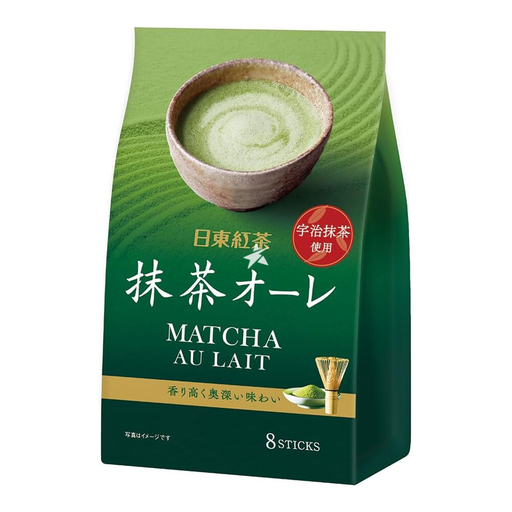 No image available
An instant matcha au lait option for someone who prefers a mixed latte drink to whisking plain powder. The listing identifies milk and aspartame, a source of phenylalanine; check the current ingredients if either matters to you.
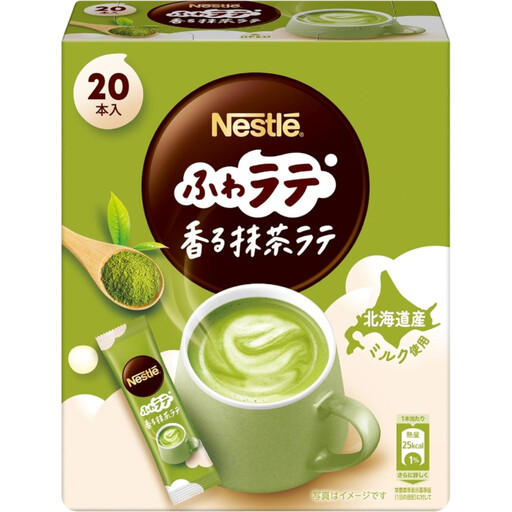 No image available
Individual latte-mix portions suit a routine where measuring powder is inconvenient. This is not plain matcha: the listing identifies milk and sweeteners, including aspartame and acesulfame K.
 No image available
Plain matcha in individual portions if you want to avoid measuring without choosing a flavoured latte mix. Check the pack’s mixing directions before relying on it for a particular water- or milk-based routine.
Start with how you normally make the drink: plain matcha is the more relevant format for whisking with water, while a latte-oriented product provides directions for a milk-based drink. JING Tea positions its ceremonial and latte products separately, but those product descriptions are not a rule for every matcha grade.
Follow the directions for your particular product. Clearspring suggests 1g with 30ml hot water for its Premium Grade powder; JING Tea specifies 1.5g per 160ml cup at 70°C for its plain ceremonial matcha and 2g with 40ml water at 80°C for its latte matcha.
No. In the Waitrose-listed PerfectTed variety pack, the original stick is plain matcha, while flavoured sticks include coconut sugar and natural flavourings. Check the ingredients for the specific stick you plan to use.
The NHS advises no more than 200mg caffeine a day from all sources during pregnancy. Use the serving size and caffeine declaration for the product you choose: for example, Waitrose & Partners states 68mg per 2g serving for its listed PerfectTed plain matcha, not for matcha generally.