Managers setting up self-service drinks
Tea bags suit a kitchenette where colleagues make a drink with hot water and no mixing equipment. Check the ingredients: Clearspring Matcha Sencha is a sencha-and-matcha blend, not pure matcha powder.


Choose tea bags for an office snack station where colleagues need to make their own drinks with little preparation; choose matcha powder where someone can measure and mix each serving. Clearspring’s Matcha Sencha comes in 20-sachet packs, so twelve packs would total 240 bags, but that is not the same as a single 240-bag catering box. Confirm the pack configuration, ingredients and quantity the seller can supply before placing an order.
Tea bags suit a kitchenette where colleagues make a drink with hot water and no mixing equipment. Check the ingredients: Clearspring Matcha Sencha is a sencha-and-matcha blend, not pure matcha powder.
Matcha powder is an option when staff can measure portions and prepare drinks consistently. UK wholesale suppliers position powder for drinks such as lattes and smoothies, which involve more preparation than steeping a tea bag.
Keep ingredient and allergen information accessible for each component of a prepared drink or snack. Check additions such as milk, plant drinks, syrups and toppings separately from the matcha product.
Decide how drinks will be prepared, then check whether the proposed order provides the format and quantity your office needs.
Choose when: Colleagues need to prepare their own hot drinks by steeping a bag.
Bear in mind: A matcha-labelled bag can contain a tea blend rather than pure matcha, and smaller packs need not be sold as one catering box.
Choose when: A staffed drinks point can measure and mix portions for each order.
Bear in mind: Powder calls for a serving method, mixing equipment and a plan for cleaning them.
| Priority | What to check | Your needs |
|---|---|---|
| Order quantity | Check the number of bags or portions per pack, the total order quantity and whether packs can be supplied together. Twelve packs of 20 contain 240 bags, but are not one 240-bag box. | We need enough individual servings for office snack breaks, and the order has to arrive in a usable pack configuration. |
| Product format | Read the ingredient list to distinguish a green-tea-and-matcha blend from matcha powder. Check whether the product is steeped, mixed or used in a compatible machine. | If the station promises matcha powder, I do not want to order a blended tea bag by mistake. |
| Preparation | Check whether hot water alone is enough or whether staff need a measure, shaker, whisk or compatible machine. Plan how shared equipment will be cleaned. | Can colleagues make a drink on their own, or will someone prepare it at the coffee point? |
| Ingredients | Keep the ingredient information for the matcha product and any milk, plant drink, syrup or topping used with it. Check each component when a recipe changes. | Colleagues need to know what is in a prepared drink or snack before choosing one. |
| Drink choice | Review the product’s caffeine information and make water available alongside matcha. Do not assume different matcha products provide the same amount per serving. | I want colleagues to have a choice besides a caffeinated tea at the snack station. |
Clearspring Matcha Sencha combines sencha green tea with matcha. It is a different product format from matcha powder.
Read the ingredients before ordering and describe the drink at the office station as a tea blend or matcha powder, as appropriate.
Clearspring’s stated pack contains 20 sachets. Ordering twelve such packs would give 240 sachets, but does not establish how a larger order would be packed or delivered.
Ask the seller to confirm the pack configuration, total bag count, delivery arrangements and best-before dates before raising a purchase order.
Powder needs measuring and mixing rather than steeping in a mug, so an unattended station needs clear preparation and cleaning arrangements.
Set a portioning and mixing method before ordering powder. If colleagues need a drink made with hot water and a bag, buy a bagged product instead.
Milk, plant drinks, syrups and toppings can change the ingredients and allergens in a prepared latte or snack.
Keep the current ingredient and allergen information for every component, and update it if a supplier or recipe changes.
These examples illustrate the difference between bagged blends and prepared powder drinks; they do not establish that any brand offers a single 240-bag box.
Its Organic Japanese Matcha Sencha is a steeped tea format sold in a 20-sachet pack.
Its matcha powder is presented for drinks including lattes, smoothies and whisked matcha.
JING Tea describes a 30 g matcha powder and offers a starter set with a shaker.
Waitrose lists Clearspring Organic Matcha Sencha as a 20-bag green-tea-and-matcha blend.
These products offer three different ways to serve matcha-related drinks at an office: tea bags, machine pods and portioned powder sachets. Check the format and quantity of each against a 240-serving plan.
 No image available
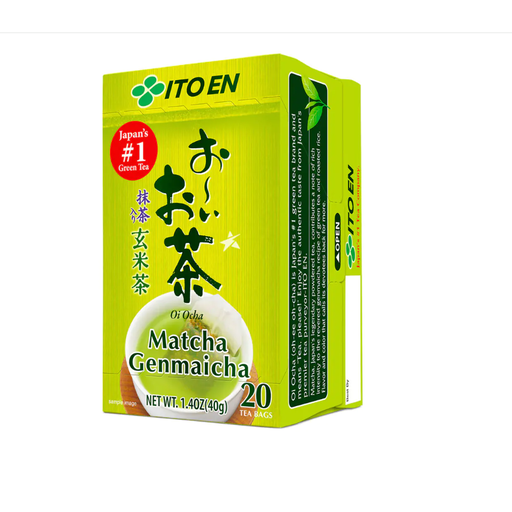
The tea-bag format suits a station where colleagues prepare their own hot drinks. This is a 20-bag pack, so confirm how many packs can be supplied together if the office needs 240 bags; matcha genmaicha is not pure matcha powder.
 No image available
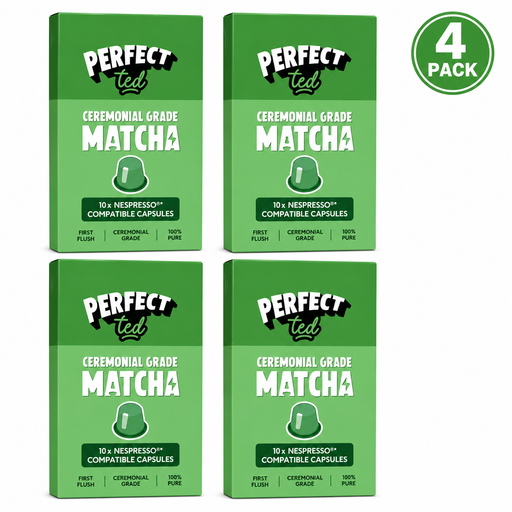
Portioned pods are an option only for an office with a Nespresso Original line machine; check machine compatibility before ordering. The listed four packs contain 40 pods in total, not 240 tea bags.
 No image available
Individual powder sachets offer portioning for occasional office preparation rather than a steeped tea-bag service. This pack contains seven 1.5 g sachets; check the preparation directions and plan the quantity needed for the station before ordering.
Twelve packs of 20 contain 240 bags, but they are still twelve packs unless the seller confirms a single catering-box configuration. Clearspring’s Matcha Sencha is listed in 20-sachet packs; confirm the order quantity, packaging and delivery arrangements before buying.
No. Clearspring’s Matcha Sencha is a sencha-and-matcha tea blend for steeping, while JING Tea describes its matcha product as powder. Check the ingredients and preparation directions for the particular product you plan to serve.
Check the ingredients and allergens of every component, including the matcha product, milk or plant drink, syrups and toppings. Keep the information current if the recipe or supplier changes; the Food Standards Agency provides separate allergen guidance for retail and catering food businesses.
Use the chosen product’s label and supplier information rather than assuming all matcha drinks contain the same amount of caffeine. UK government guidance notes that caffeine occurs naturally in tea; water and other drink choices can sit alongside matcha at the station.
Keep water available alongside matcha. For hot working conditions, the Health and Safety Executive specifically advises encouraging workers to drink cool water rather than tea, coffee or carbonated drinks.