Who is choosing?
The useful distinction is whether the purchase is for a tea routine, an easier-to-prepare drink or a food with nutrition information on its label.
Older adults who enjoy green tea
Consider the amount of powder or type of infusion, and when the drink will be served. NHS Borders advises that caffeine-containing drinks can disrupt sleep; a matcha-style product made from another plant may be an option when avoiding caffeine is the priority.
Family carers managing a daily routine
Whisked powder, tea bags, breakfast foods and ready-to-drink products involve different preparation and storage steps. Choose a format the person can use consistently, then read its serving and ingredient information.
Shoppers checking medicines or food restrictions
Read the current pack for ingredients and allergens. If the person takes warfarin, ask their anticoagulation team or another appropriate clinician before making a significant change to their green-tea routine.
What should you check?
Start with the intended use—tea, a caffeine-free alternative or food—then check the details of the particular product and serving.
| Priority |
What to check |
Your needs |
| Caffeine |
Check whether the ingredients are green tea or a caffeine-free alternative, and look for caffeine information for the amount you intend to serve. Clearspring estimates approximately 32 mg of caffeine per 1 g of its 100% matcha powder, using Japanese food-composition data; that figure does not describe every matcha product. |
I want to know whether this drink fits the person’s usual caffeine routine, particularly if sleep is a concern. NHS Borders advises that caffeine-containing drinks can disrupt sleep. |
| Tea format |
Check whether the product is powder consumed whole or a tea prepared by infusion. Clearspring lists its matcha-sencha as 95% sencha and 5% matcha, and its matcha-genmaicha as 68.25% sencha, 29.25% roasted brown rice and 2.5% matcha. |
If making a familiar cup of tea is easier than whisking powder, an infused blend may suit the routine. I would not treat its matcha percentage as the amount of powder in a whisked drink. |
| Food and nutrition |
For a food or ready-to-drink product, compare the full ingredients, nutrition information and serving size. M&S lists 1% matcha, 11.5 g protein and 10.7 g fibre per 100 g for its Matcha and Raspberry Overnight Oats; a Waitrose listing describes added calcium in an Oatly matcha oat drink. |
I am shopping for a breakfast food or a drink with particular labelled ingredients, not relying on the word ‘matcha’ to tell me what the whole product provides. |
| Medicine routine |
Ask an appropriate clinician before a significant dietary change if the person takes warfarin. Cambridge University Hospitals NHS Foundation Trust advises people taking warfarin to keep their intake of vitamin-K-containing foods consistent and discuss significant changes with their doctor. |
For someone taking warfarin, I need individual advice before substantially changing an established green-tea routine—not a blanket rule that they must start or avoid matcha. |
| Ingredients and storage |
Read the current pack for allergens, other ingredients and opened-pack instructions. The Waitrose listing for Oatly Matcha Latte says to refrigerate it after opening and consume it within approximately five days. |
I need a product that fits the person’s food restrictions and a pack size they can use in line with its storage directions. |
Brands and product formats to compare
These examples illustrate different ways matcha appears in products; compare the particular item rather than assuming every product from a brand has the same ingredients.
Clearspring
Its documented range includes 100% matcha powder, infused green-tea blends and a caffeine-free mulberry-leaf powder.
- Clearspring lists 95% sencha and 5% matcha for its matcha-sencha, and 2.5% matcha for its matcha-genmaicha.
- Its Kuwa Matcha is 100% mulberry leaf, not green-tea matcha; its caffeine description must not be applied to the tea products.
JING Tea
JING Tea gives separate preparation directions for matcha served as tea and for its latte matcha.
- JING Tea instructs shoppers to use 1.5 g with 160 ml for its ceremonial matcha; its latte-matcha instructions use 2 g with 40 ml of water.
- These are preparation instructions for tea-based matcha products, not evidence that either meets an older person’s nutritional requirements.
M&S
Its Matcha and Raspberry Overnight Oats provide an example of matcha used as a minor ingredient in a breakfast food.
- M&S lists 83% rolled oats and 1% matcha, with 11.5 g protein and 10.7 g fibre per 100 g for this product.
- Check the current pack’s ingredients, allergens and nutrition information for the product being bought.
Oatly
A Waitrose listing describes Oatly Matcha Latte as an oat drink containing matcha and added calcium.
- The Waitrose listing declares 16 mg caffeine per 100 ml and lists 0.8% matcha green-tea powder.
- Check the intended serving and current pack details; the listing says to refrigerate the drink after opening and consume it within approximately five days.
Matcha-blend teas on Joybuy
These Joybuy options are matcha-containing teas for an infused-drink routine, rather than the foods or caffeine-free mulberry-leaf alternative discussed above. Choose among them by tea style, stated pack format and the current ingredients; do not assume a blend is caffeine-free.
 No image available
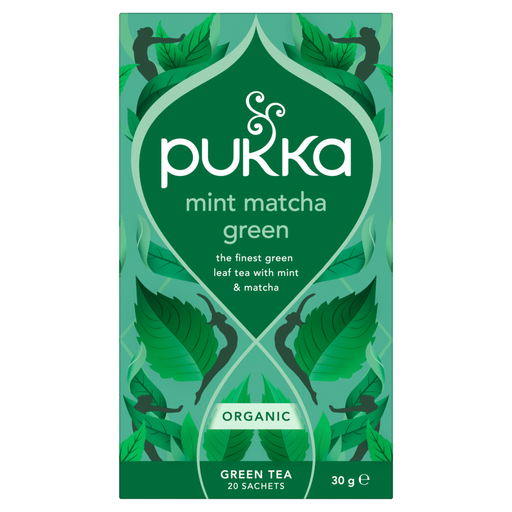
PUKKA Mint Matcha Green 30g
Consider this mint-and-matcha tea when an infused drink fits the daily routine better than whisked powder. Check the current pack for its ingredients and caffeine information if the drink’s timing matters.
Shop at Joybuy
 No image available
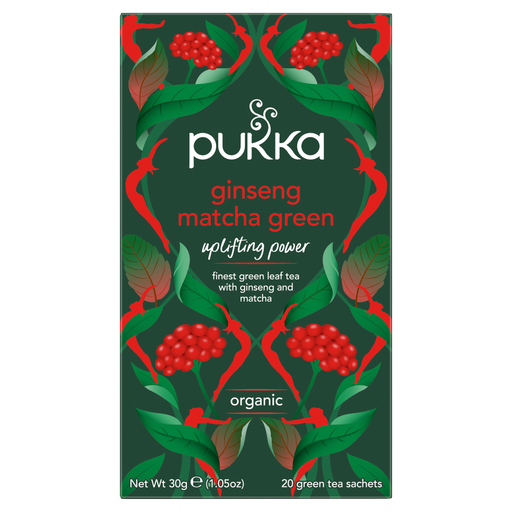
PUKKA Ginseng Matcha Green 30g
This is a matcha-containing tea option for someone considering a ginseng-labelled blend. Read the current ingredient list if other botanicals are a concern, and check caffeine information before adding it to an evening routine.
Shop at Joybuy
 No image available
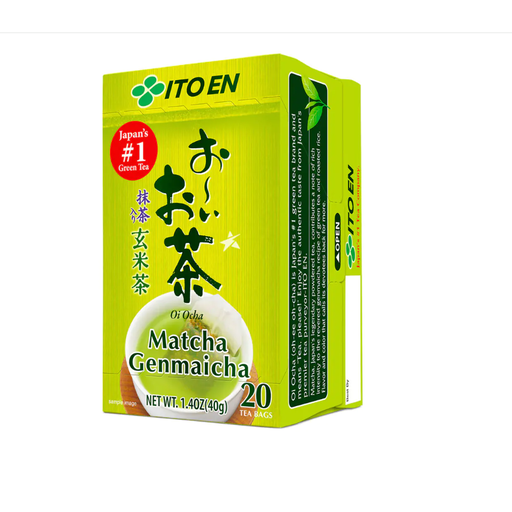
Itoen Oi Ocha Matcha Genmaicha, 20 Tea Bags, 40g
The 20-bag genmaicha format may suit someone who prefers preparing an infusion to measuring and whisking matcha powder. Check the pack for the complete ingredients and serving guidance; tea bags should not be treated as an equivalent serving of whole powder.
Shop at Joybuy
 No image available
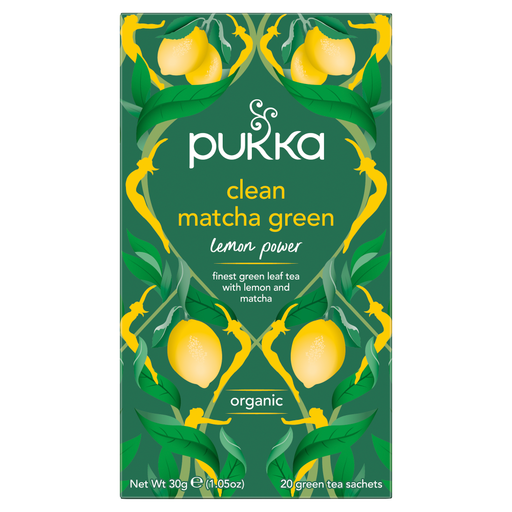
PUKKA Clean Matcha Green 30g
For a matcha-labelled green-tea blend rather than plain powder, compare this 30g pack’s current ingredients with the other tea options. Its name does not establish a nutritional or caffeine advantage.
Shop at Joybuy
 No image available
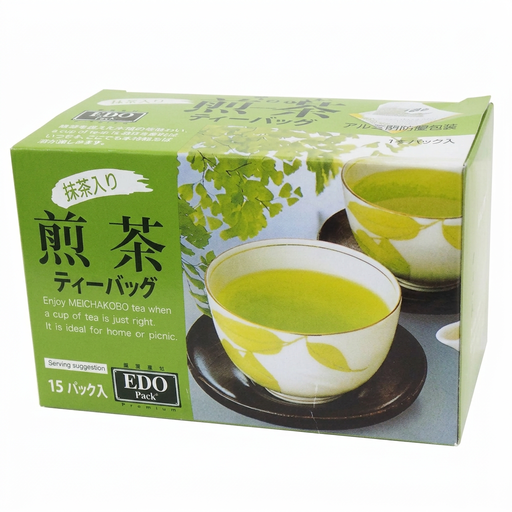
EDO Matcha Injected Sencha Pyramid Tea Bags 30g
The pyramid tea-bag format is an alternative to preparing whisked powder. Check the current pack for the blend’s ingredients, brewing directions and caffeine information rather than relying on the matcha wording alone.
Shop at Joybuy
Questions about matcha formats
Is ordinary matcha caffeine-free?
No. Ordinary matcha is powdered green tea; Clearspring estimates approximately 32 mg caffeine per 1 g of its 100% matcha powder, based on Japanese food-composition data. A caffeine-free matcha-style product can have different ingredients: Clearspring’s Kuwa Matcha is labelled as 100% mulberry leaf.
Should I choose matcha powder or a matcha-containing food for a nutrition-focused purchase?
Compare the whole food’s nutrition label and serving size if the purchase is for food rather than a tea drink. M&S lists 1% matcha in its Matcha and Raspberry Overnight Oats, alongside protein and fibre values per 100 g; plain matcha powder should not be treated as a meal replacement.
What if the older person takes warfarin?
Seek individual advice before substantially changing their green-tea routine. Cambridge University Hospitals NHS Foundation Trust advises people taking warfarin to keep vitamin-K-containing foods consistent and discuss significant dietary changes with their doctor; it does not establish a blanket rule for every matcha product or person.
Is matcha-sencha or matcha-genmaicha the same as whisked matcha?
No. Whisked 100% matcha powder is consumed whole, whereas the cited Clearspring matcha-sencha is a loose-leaf infusion containing 95% sencha and 5% matcha. Clearspring’s matcha-genmaicha tea sachets contain 2.5% matcha with sencha and roasted brown rice.
What matters when buying a ready-to-drink matcha product for one person?
Check the intended serving, caffeine declaration, ingredients and opened-pack storage directions on the current pack. For example, the Waitrose listing for Oatly Matcha Latte declares 16 mg caffeine per 100 ml and says to refrigerate it after opening and consume it within approximately five days.


