Occasional plain-matcha drinkers
A smaller pack limits how much powder remains open between water-whisked drinks. Clearspring and JING Tea each list a 30g ceremonial product; check its container before choosing it for your pantry.


If you occasionally whisk matcha with water, consider a smaller ceremonial-grade pack; if you also make lattes or bake, look for a powder explicitly described for those uses. Choose a quantity you expect to finish after opening rather than assuming a larger pack suits your routine. Whatever the grade, check the actual container and keep the powder away from sunlight, heat, humidity and strong smells, as Ippodo Tea advises.
How often you open the pack and what you make with it matter more than the word “jar” alone.
A smaller pack limits how much powder remains open between water-whisked drinks. Clearspring and JING Tea each list a 30g ceremonial product; check its container before choosing it for your pantry.
Look for a powder whose stated uses include both drinks and cooking. Clearspring describes its Premium Grade as suitable for drinking and home baking and lists 40g, 100g and 1kg sizes; choose a quantity that fits your rate of use.
A matcha drink mix is a different pantry item from pure powder. Check its ingredients and matcha percentage: Joybuy’s Ice Spring soy-milk powder, for example, lists 2.5% matcha and declares soybeans as an allergen.
Start with how you will use the powder, then compare the quantity, packaging and ingredient list.
| Priority | What to check | Your needs |
|---|---|---|
| Intended use | Check the maker’s stated uses rather than relying on a grade name alone. Clearspring describes its Premium Grade as suitable for drinking and home baking; compare preparation guidance if you mainly whisk matcha with water. | I mostly drink matcha plain, so I want a powder intended for that preparation. If I also bake or make lattes, I need the stated uses to cover those recipes. |
| Pack and storage | Compare the quantity with how quickly you use an opened pack, and check its closure and storage directions. Ippodo Tea advises keeping tea away from sunlight, heat, humidity and strong smells; a tin or jar name alone does not establish how well it closes. | Matcha can sit in my pantry between uses, so I would rather choose a manageable quantity and a container I can close. |
| Ingredients | Read the ingredient and allergen declarations, including the matcha percentage for a blend. Joybuy’s Ice Spring soy-milk powder lists 2.5% matcha and declares soybeans as an allergen; it is not the same ingredient as pure matcha powder. | I want to know whether I am buying matcha for my own recipes or a prepared drink mix with other ingredients. |
| Caffeine | Check the product’s serving and caffeine information rather than assuming every serving is alike. The NHS advises no more than 200mg of caffeine a day in total during pregnancy. | I need to account for matcha alongside other sources of caffeine, particularly if the NHS pregnancy guidance applies to me. |
A larger pack leaves more matcha open between drinks if you use it only occasionally. Ippodo Tea’s storage guidance highlights exposure to sunlight, heat, humidity and strong smells.
Consider a 30g or 40g option for occasional use; move up to 100g only if that quantity fits your routine. Check how the opened pack should be closed and stored.
A ceremonial label does not tell you whether a powder suits every latte or recipe. Makers position products for different preparations: Clearspring, for instance, explicitly lists drinking and home baking for its Premium Grade.
Match the product’s stated uses to what you make most often, especially if you want one powder for both drinks and cooking.
A blend can contain other ingredients and allergens. Joybuy’s Ice Spring soy-milk powder lists 2.5% matcha and declares soybeans as an allergen, so it is not interchangeable with pure matcha in a recipe.
Read the full ingredient and allergen declarations before treating any latte or instant-drink powder as matcha powder.
Matcha contributes to total caffeine intake. During pregnancy, the NHS advises no more than 200mg of caffeine a day in total, rather than a separate allowance for each drink.
Check the matcha product’s serving and caffeine information and consider it alongside other caffeinated foods and drinks.
These brand references help distinguish stated uses and pack sizes; they do not establish the container used for every product.
Clearspring lists Japanese matcha in 40g, 100g and 1kg Premium Grade sizes and a 30g Ceremonial Grade size.
JING Tea lists a 30g organic ceremonial matcha and gives a preparation measure of 1.5g per cup on its product page.
teapigs has a UK matcha category for shoppers comparing tea retailers.
These options cover portioned matcha, powder in tins or a bag, and a latte mix. Check the ingredients when choosing between pure matcha and a prepared drink.
 No image available
Seven separate 1.5g sachets offer measured portions for occasional preparation rather than one larger opened pack. The product description lists 100% ceremonial-grade matcha; this is a sachet pack, not a jar. Check the packaging details if protection from light or moisture matters to your storage plans.
 No image available
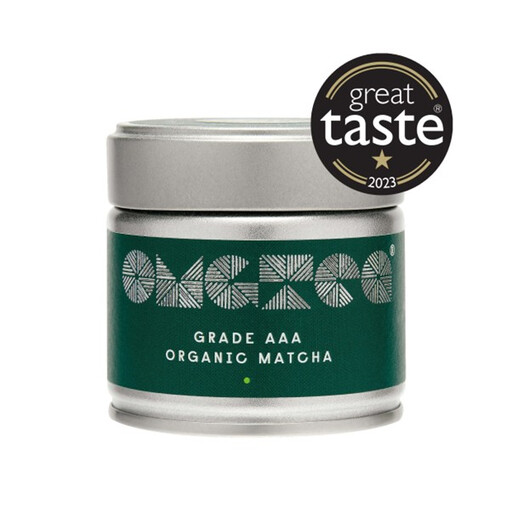
The description identifies a 30g tin and lists 100% organic matcha, making the quantity worth considering for modest pantry stock. The title says “AAA, High Grade” while the description also calls it ceremonial; check the grade wording, the tin’s closure and the directions for storage after opening.
 No image available
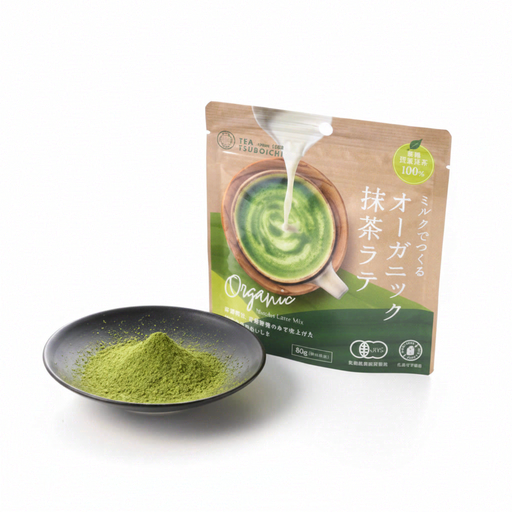
This 80g tin is a latte mix for adding to hot water or milk, not pure matcha powder. Its stated ingredients include sugars and matcha; check the full label if their quantities matter to your choice, and check how the tin closes after opening.
 No image available
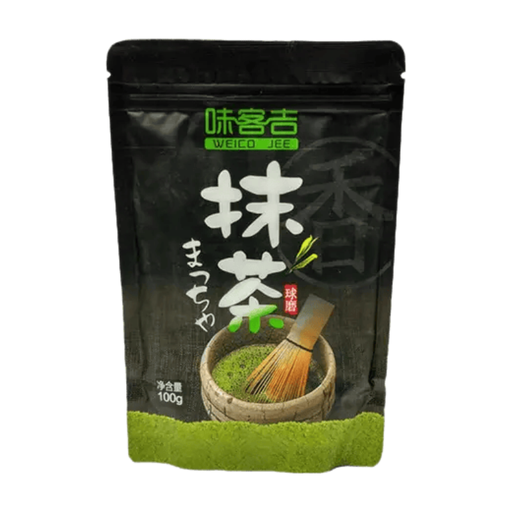
The description identifies a 100g tin and describes the powder as culinary grade for drinks and recipes. That quantity is more opened stock to manage if you use matcha occasionally; check the complete ingredient declaration and storage directions before choosing it.
 No image available
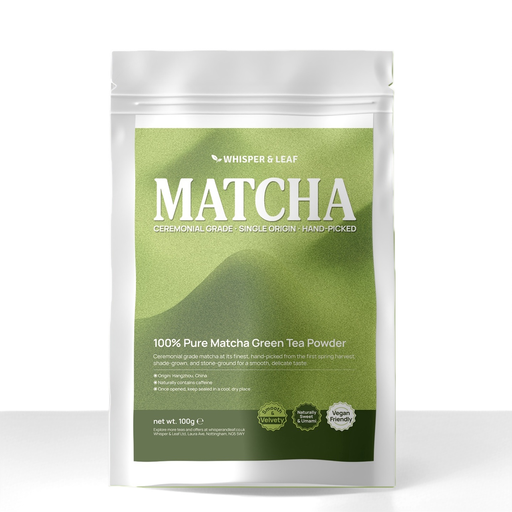
The listing describes 100% ceremonial-grade matcha in a 100g bag and mentions latte preparation. Consider whether you will use that quantity after opening; check the bag’s closure and storage directions if you plan to keep it in the pantry.
Choose a quantity you expect to use after opening: a smaller pack leaves less opened powder in the pantry if you make matcha occasionally. Clearspring lists 30g Ceremonial Grade and 40g, 100g and 1kg Premium Grade options, but check each product’s actual container rather than assuming it comes in a jar.
Keep the pack closed and follow its storage directions. Ippodo Tea advises protecting tea from direct sunlight, heat, humidity and strong smells; check how your particular bag, tin or jar closes after opening.
No grade name is necessary for every preparation. If you mainly make lattes or bake, look for a powder whose maker states those uses; Clearspring explicitly describes its Premium Grade as suitable for drinking and home baking.
Not when your recipe calls for matcha alone: a drink mix can contribute other ingredients and a different proportion of matcha. For example, Joybuy’s Ice Spring soy-milk powder lists 2.5% matcha and declares soybeans as an allergen. Read the ingredient list of the particular mix before substituting it.
Yes. The NHS advises no more than 200mg of caffeine a day in total during pregnancy. Check the serving and caffeine information for the matcha you buy and count it alongside other caffeinated foods and drinks; do not assume every product contains the same amount per serving.