
24/7 Customer Support

Free returns

Same-day & Next-day Delivery

Quality Guaranteed

Unlock Your Welcome Offers: FREE Delivery | Up to 80% OFF | Free 30-day JoyPlus trial
Download the APP
Matcha powder can suit traditional tea, iced drinks, lattes, smoothies, baking and gifting. However, the growing range of tins, sachets, flavoured blends and ready-to-drink bottles can make comparison difficult for UK shoppers.
The main risk is paying for attractive packaging or a “premium” description without checking what is actually in the product. Before buying, look beyond colour and advertising language and compare the ingredient list, format, origin, serving guidance and storage requirements.
“Ceremonial grade matcha” is widely used in product descriptions, but the term does not provide a single legally fixed grading system for all sellers. It should not be treated as an automatic guarantee of sweetness, freshness or personal preference.
For a drinking matcha, check whether the product contains 100% matcha powder, where it was produced and how it should be prepared. A product designed for lattes or smoothies may contain sugar, milk powder or flavouring, which can make it more approachable but different from plain Japanese matcha.
Some tea bags contain only a small percentage of matcha alongside sencha, herbs, mint or spices. For example, PUKKA Mint Matcha Green lists matcha at 2%, with roasted tea and mint making up the remainder. This may suit shoppers who want a blended herbal drink, but it is not equivalent to a tin of pure matcha tea powder.
Always read the ingredients before assuming that “matcha green tea” means 100% powdered green tea.
Flavoured matcha powder can be convenient for beginners, but ingredients and nutrition vary considerably. PerfectTed Matcha Powder – Strawberry includes coconut sugar, coconut milk, natural flavouring and Japanese whisked tea grade matcha. Its listed nutrition provides 1.1g of sugars per 2.5g serving, so it should be assessed as a prepared sweetened blend rather than plain matcha.
This distinction matters if you are comparing organic matcha powder, unsweetened matcha or products for everyday use.
For a traditional cup, look for 100% matcha or 100% organic matcha, depending on your priorities. Products such as Yamasekien-Seicha Matcha Powder list green tea as the ingredient and describe the tea leaves as domestically grown Japanese leaves.
Origin information can help you understand what you are buying, but it does not by itself determine taste. Check the full label, responsible person or importer details and best-before information supplied for the UK market.
Choose the format according to how you will use it:
A small tin can provide more servings than expected. OMGTea Organic Matcha AAA+ 30g lists a 1g serving and approximately 34mg of caffeine per serving, according to its product information. Caffeine levels can vary, so follow the packaging and consider your total daily intake from tea, coffee and other sources.
Matcha is sensitive to moisture, light and strong odours. Keep opened products tightly sealed in a cool, dry place and follow any refrigeration instruction on the label. Some products specify refrigeration after opening, while others recommend a cool cupboard.
The right choice depends on your routine rather than a universal ranking. The following options cover different shopping priorities.
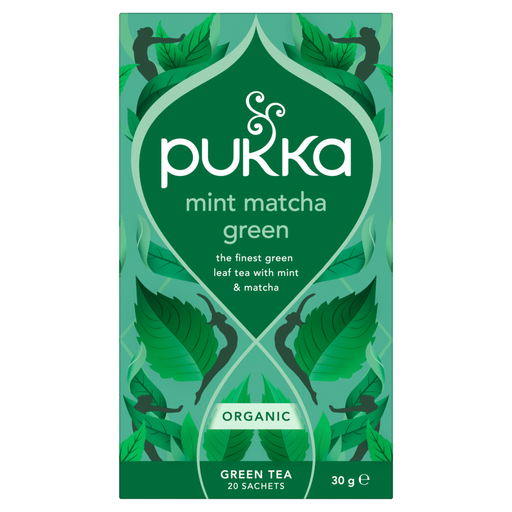
Why This Fits Their Persona: A blended tea format for shoppers who enjoy mint and roasted tea notes rather than a concentrated, pure matcha drink.
The ingredient list makes the blend clear: matcha is 2%, alongside roasted tea, spearmint and mint leaves.
Room-temperature storage and 100°C infusion guidance make it simple to keep and prepare.

Why This Fits Their Persona: Suits experienced tea drinkers seeking organic Japanese matcha for traditional preparation.
The listing specifies 100% organic matcha, a 1g serving and storage guidance after opening.
Organic ingredients and a compact 30g tin; the product information also states approximately 34mg caffeine per 1g serving.
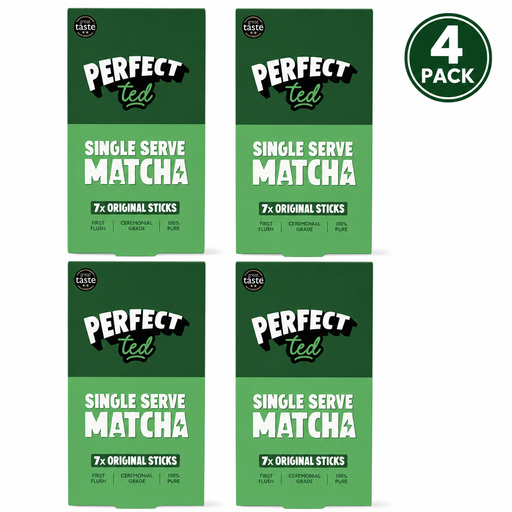
Why This Fits Their Persona: Single-serve sachets are practical for office drawers, travel bags and controlled portions during busy UK weekdays.
Each sachet contains 1.5g of ceremonial grade matcha, avoiding the uncertainty of repeatedly measuring from a larger pouch.
The pack contains 28 sachets in total, with 100% ceremonial grade matcha listed as the ingredient.
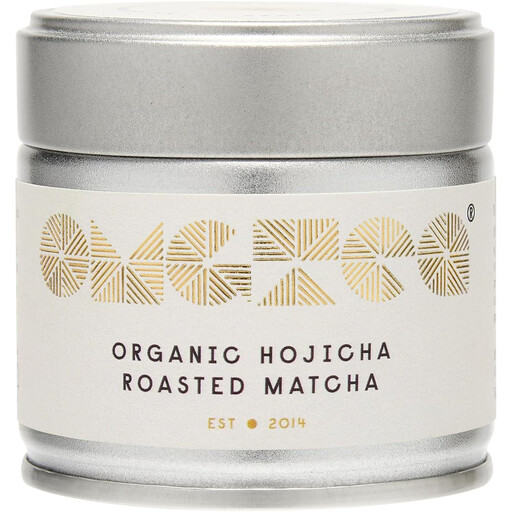
Why This Fits Their Persona: A roasted alternative for shoppers who prefer nutty flavours in lattes, smoothies, ice cream or baking.
Its product information identifies it as 100% organic roasted matcha tea, rather than implying it is a traditional bright-green matcha.
The listing gives a 1g serving and approximately 15.7mg caffeine, and states that it is suitable for vegan and gluten-free diets.
We have compiled a complete, real-time list of products that fully satisfy these strict selection criteria and UK safety regulations.
For plain matcha, sift around 0.8–1g into a cup, add approximately 70–80°C water and whisk until combined. Boiling water can produce a harsher, more bitter taste. For a latte, mix the powder with a small amount of warm water first, then add milk or a plant-based alternative.
Store unopened matcha according to the packaging. Once opened, seal it tightly and protect it from humidity, heat, sunlight and strong kitchen odours. Use the printed best-before date as a guide and avoid buying a large quantity unless you drink matcha regularly.
Not always. Pure matcha is finely powdered green tea intended to be mixed into water or another drink. Matcha green tea bags may contain only a small amount of matcha combined with sencha, herbs or flavourings. The ingredients list provides the clearest distinction.
The precise period depends on the product, packaging and storage. Keep it sealed in a cool, dry place and follow the label. Some organic matcha products recommend refrigeration after opening, while others specify cupboard storage. Discard powder if its aroma, colour or texture changes noticeably.
Many people include matcha in their daily tea routine, but caffeine content varies between products and serving sizes. Check the packaging, especially when using ceremonial grade matcha, matcha latte powder or concentrated servings, and account for caffeine from other drinks.