
24/7 Customer Support

Free returns

Same-day & Next-day Delivery

Quality Guaranteed

Unlock Your Welcome Offers: FREE Delivery | Up to 80% OFF | Free 30-day JoyPlus trial
Download the APP
From vibrant green lattes in your local café to eye-catching desserts, matcha has firmly established itself in the UK. Bringing this experience home should be simple, but the market for matcha powder is filled with confusing labels and hidden compromises. Many shoppers find themselves with a product that is disappointingly bitter, a dull brownish-green or more sugar than tea.
As the Joybuy Product Recommendation Officer, my role is to help you navigate these choices. Before you add a tin to your basket, let's look at two common pitfalls that can lead to a poor purchase and how to avoid them.
To ensure you get a product that suits your needs, focus on these three key factors. They will help you distinguish between high-quality powders and those that are likely to disappoint.
The most important distinction is between ceremonial and culinary grade. This is not about one being "good" and the other "bad," but about matching the powder to its purpose.
The source and composition of the powder are clear indicators of its quality.
How matcha is packaged affects its convenience and shelf life.
Based on these criteria, we have matched several products to different user needs, helping you find the right fit for your daily routine.

Why This Fits Their Persona: Perfect for anyone curious about making matcha at home but hesitant to buy a large tin. These pre-portioned sachets remove the guesswork for a perfect single serving, making it easy to create a café-quality latte on the first try.
It provides a genuine ceremonial grade experience without the commitment of a large, expensive tin that might go stale. Each sachet is sealed for freshness.
Contains 100% pure ceremonial grade matcha. The single-serve format is highly convenient for work, travel or trial.
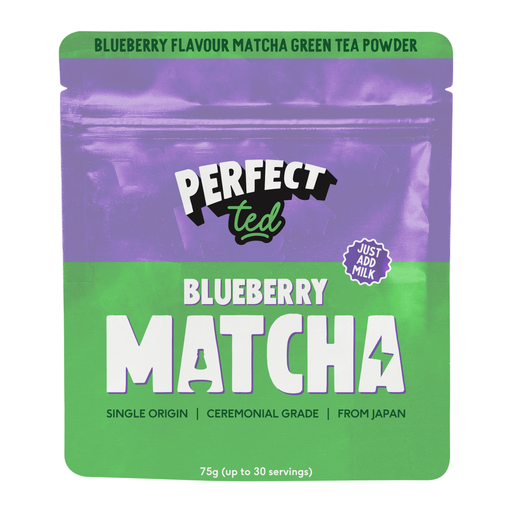
Why This Fits Their Persona: For the person who enjoys a modern twist on classic flavours. This blend is an easy way to create a fun, fruity and café-style blueberry matcha latte at home with minimal effort.
It avoids the "hidden sugar" trap by being transparent. The ingredients clearly state it contains ceremonial grade matcha, coconut sugar and natural flavourings, so you know what you are drinking.
Combines high-quality matcha with a popular fruit flavour. It is a simple, all-in-one powder for a quick and tasty beverage.
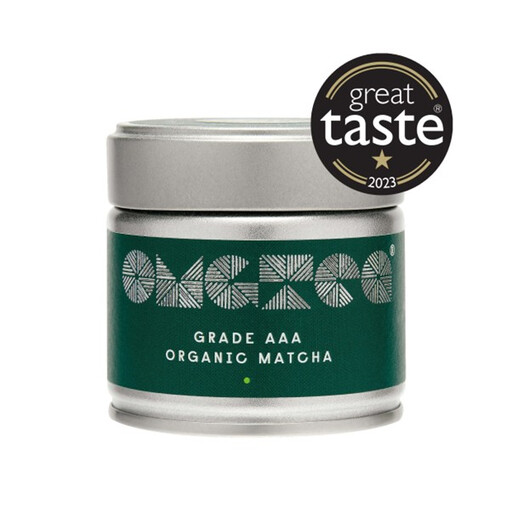
Why This Fits Their Persona: This is for the consumer who wants an authentic, unadulterated matcha experience. They value quality, origin and organic certification for their traditional tea preparation or pure, unsweetened lattes.
It completely bypasses the "sugar-loaded mix" and "misleading grade" traps. This is 100% high-grade organic matcha powder with no fillers, sugars or other additives.
Soil Association certified organic. It is a high-grade powder suitable for discerning drinkers who want an authentic taste.
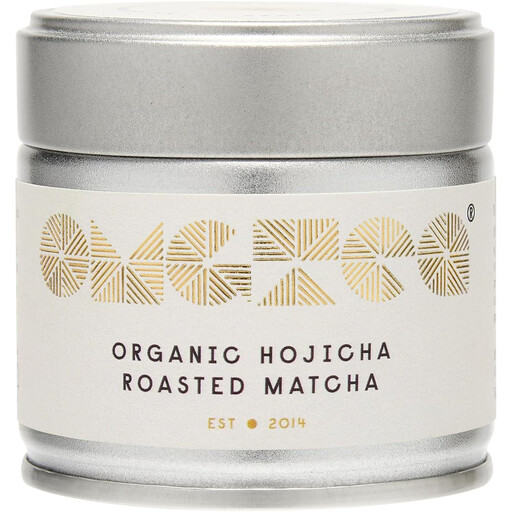
Why This Fits Their Persona: A perfect choice for someone seeking a warm, comforting drink with a different flavour profile. Hojicha is roasted green tea, offering a nutty, caramel-like taste that is naturally lower in caffeine than matcha.
This is a distinct product, a hojicha powder, not a low-quality matcha. It avoids confusion by offering a unique and authentic roasted tea experience for those who find matcha's taste too strong or grassy.
Offers a rich, roasted and nutty flavour. It is naturally low in caffeine, making it suitable for any time of day.
We have compiled a complete, real-time list of products that fully satisfy these strict selection criteria and UK safety regulations.
There are three simple sensory checks. First, colour: high-quality matcha should be a vibrant, electric green. A dull, yellowish or brownish hue suggests lower quality or old stock. Second, texture: the powder should be exceptionally fine and silky, like talc. Grittiness is a sign of poor milling. Finally, taste: good matcha has a smooth, mellow and savoury (umami) flavour, with only a hint of bitterness in the finish. Overwhelming bitterness is a red flag.
While a traditional bamboo whisk (chasen) is designed to suspend the matcha in water and create a fine foam, it is not essential for beginners. For making matcha for lattes, a small, handheld electric milk frother works exceptionally well. It can mix the matcha powder with a small amount of water or milk into a smooth paste before you add the rest of your liquid, preventing clumps.
Matcha is sensitive to light, heat and air. Once opened, it is crucial to store it correctly to preserve its flavour and colour. Keep it in an airtight, opaque container. A cool, dark cupboard is sufficient, but for maximum freshness, especially with a larger tin of ceremonial grade matcha, storing it in the refrigerator is a good practice.