From vibrant green lattes filling your social media feed to its quiet presence in traditional tea ceremonies, matcha has firmly established itself in the UK. Yet, navigating the world of this Japanese green tea powder can be confusing. With terms like 'ceremonial' and 'culinary' and a wide spectrum of colours and prices, how do you choose the right one?
This guide is designed to cut through the clutter. As a Joybuy Product Recommendation Officer, my role is to provide clear, practical advice to help you select a matcha powder that suits your taste, budget and how you plan to enjoy it—whether that's in a morning latte, a weekend bake or a moment of quiet reflection.
How to Choose the Right Matcha Powder for You
Understanding a few key details can make all the difference in your matcha experience. Here are some practical points to consider before you buy.
1. Understand the Grades: Ceremonial vs. Culinary
Not all matcha is created equal, and the 'grade' is the most important distinction.
- Ceremonial Grade Matcha: This is the highest quality of Japanese green tea powder. It is made from the youngest, most tender tea leaves from the first harvest of the year. The leaves are shade-grown for several weeks before picking, which increases their chlorophyll and L-theanine content, resulting in a vibrant green colour and a smooth, complex flavour with rich umami and a hint of natural sweetness. This grade is intended for traditional preparation, whisked with hot water into a tea called usucha.
- Culinary Matcha: This grade is produced from later harvest leaves, which gives it a more robust and slightly more bitter flavour profile. This is not a sign of poor quality; rather, its stronger taste is designed to stand up to other ingredients. It is the ideal choice for baking, cooking, smoothies and creating a flavourful matcha for lattes.
- Latte or Premium Grade: You may also see this intermediate category. It's typically a high-quality matcha that is more affordable than ceremonial grade but smoother than many culinary options, making it a balanced choice for daily drinks.
2. Check the Origin and Colour
The source and appearance of the powder are strong indicators of its quality.
- Origin: Authentic, high-quality matcha almost always comes from Japan, with regions like Uji (Kyoto), Nishio (Aichi) and Shizuoka being particularly famous for their tea production.
- Colour: Look for a vibrant, bright spring green. A vivid colour indicates that the leaves were properly shade-grown and freshly milled. Dull, yellowish, or brownish-green powders are often a sign of lower quality, oxidation, or age, and will likely taste more bitter.
3. Consider Your Use Case
How you plan to use your matcha is the final piece of the puzzle.
- For a quick, convenient drink: If you want a cafe-style latte without any fuss, an instant matcha latte mix is an excellent option. These powders combine matcha, milk powder and sweetener, and dissolve easily in hot or cold liquid.
- For a traditional tea experience: Only ceremonial grade matcha will provide the smooth, nuanced flavour required for drinking it straight with water.
- For home lattes and baking: A versatile, high-quality culinary matcha or a premium grade powder offers the best balance of flavour and value for money.
Our Top Recommendations for Matcha Powder in 2026
Based on their features, ingredients and intended use, here are three distinct matcha products to consider.
Whisper and Leaf Ceremonial Grade Matcha Powder, 30g Tin
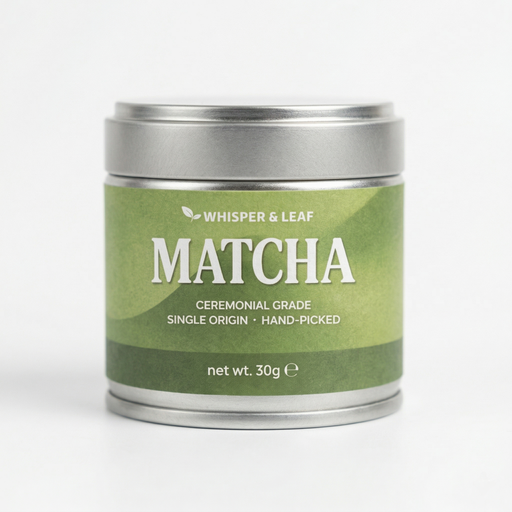
- Why It Stands Out: This is a classic example of a high-quality ceremonial grade matcha. It is milled to an exceptionally fine 1200 mesh, which helps create a smooth, froth-topped tea with no grittiness. Sourced from a single origin and made from the first spring harvest, it delivers the clean, balanced flavour profile expected of this grade.
- Pros:
- First Spring Harvest: Made from young leaves for a delicate, fresh flavour.
- Shade-Grown: Naturally enhances the vibrant green colour and umami depth.
- Smooth, Balanced Taste: Mellow and clean with a soft, sweet finish.
- Single-Origin Yabukita: A classic cultivar known for consistency and balance.
- Who is it for?: This is for the tea enthusiast who wants to prepare matcha in the traditional way or for anyone seeking to create a truly premium, smooth matcha latte at home.
Kataoka Tsujiri Matcha Milk 170g
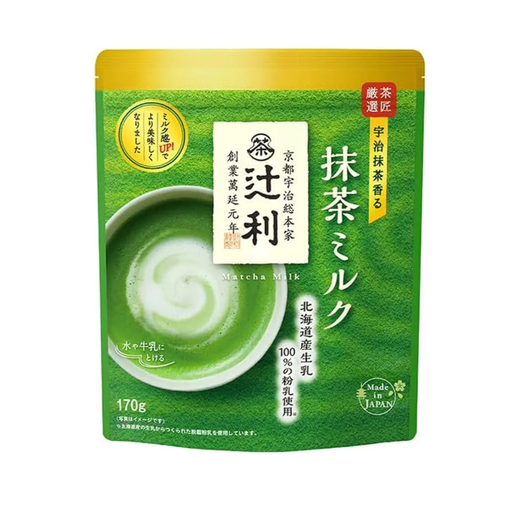
- Why It Stands Out: For those who prioritise convenience without compromising on authentic flavour, this instant matcha latte mix is a standout. It leverages the heritage of Tsujiri, a historic Kyoto tea house, blending genuine Uji matcha with Hokkaido milk powder for a creamy, balanced drink. Its ability to dissolve in both hot and cold liquids makes it incredibly versatile.
- Pros:
- Authentic Heritage: Uses 100% Uji matcha and Hokkaido milk powder.
- Highly Versatile: Formulated to dissolve easily for both hot and iced lattes.
- Cafe-Style Flavour: Delivers a smooth, creamy and perfectly sweetened latte experience.
- Who is it for?: Ideal for busy individuals, students, or anyone who loves the taste of a matcha latte but wants a quick, no-fuss preparation method at home or in the office.
OTSUKA SEICHA Shizuoka Matcha Can 30g
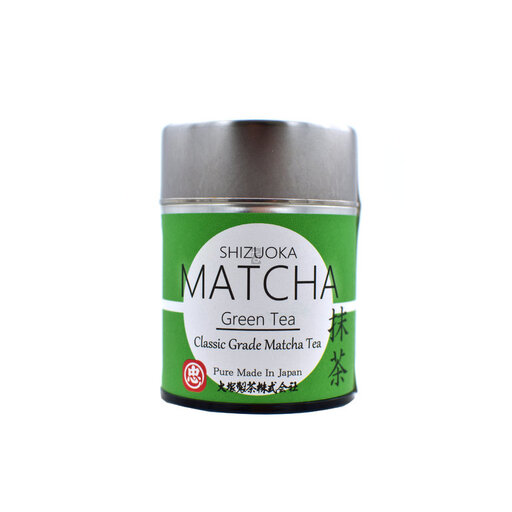
- Why It Stands Out: This powder from Shizuoka offers exceptional versatility. It is a 100% pure matcha powder, traditionally stone-ground to preserve its aroma and flavour. While it can be prepared as a traditional tea, its flavour profile—a harmonious balance of deep umami and a refined bitterness—makes it robust enough for lattes, smoothies and culinary creations.
- Pros:
- 100% Pure Matcha: No additives, preservatives, or other ingredients.
- Versatile Flavour: Balanced taste suitable for drinking, lattes, and cooking.
- Stone-Ground: A traditional method that preserves the full aromatic profile.
- Convenient Packaging: The 30g can helps maintain freshness.
- Who is it for?: The home barista or culinary enthusiast looking for a single, high-quality matcha that can do it all—from a morning tea to an afternoon latte or a batch of matcha-flavoured shortbread.
Looking for More Options?
These recommendations cover three of the most popular ways to enjoy matcha, but the world of Japanese tea is vast. If you're curious to see other grades, explore powders from different regions, or find specific blends for your culinary projects, there are many more to discover.
Explore our full range of Japanese matcha to find the perfect fit for your kitchen.
Frequently Asked Questions About Matcha Powder
What is the difference between matcha and regular green tea?
The fundamental difference lies in the preparation and consumption. With regular green tea, the leaves are infused in hot water, and then the leaves are discarded. With matcha, you are consuming the entire tea leaf, which has been stone-ground into a very fine powder and whisked into the water or milk. This is why matcha has a more intense flavour and a higher concentration of the compounds found in green tea.
How should I store my matcha powder?
Matcha is delicate and sensitive to light, heat and air, all of which can degrade its colour, flavour and aroma. To keep it fresh, store it in an airtight, opaque container in a cool, dark place like a pantry. After opening, it is often recommended to keep the container tightly sealed and refrigerated to preserve its quality for longer.
Why is my matcha bitter?
A little bitterness can be a characteristic of certain matcha grades, but excessive bitterness is usually a sign of one of two things. First, it could be a lower-quality or old powder. Second, and more commonly, it is due to using water that is too hot. Boiling water (100°C) will scorch the delicate powder and draw out a bitter taste. For the best flavour, use water that is heated to around 70-80°C.


