
24/7 Customer Support

Free returns

Same-day & Next-day Delivery

Quality Guaranteed

Unlock Your Welcome Offers: FREE Delivery | Up to 80% OFF | Free 30-day JoyPlus trial
Download the APP
Matcha powder can look simple on a product page, yet the differences between tins, sachets, latte blends and greens supplements can significantly affect flavour, convenience and value. UK shoppers may pay more for a product labelled “ceremonial” or “premium” without checking what is actually in the pack.
The practical approach is to look past marketing language and compare the ingredient list, serving format, origin, intended use and storage instructions.
“Ceremonial grade matcha” is widely used to describe powder intended for drinking, but the term does not function as a universal UK quality standard. It does not, by itself, confirm origin, harvest date, flavour profile or organic certification.
Check whether the product contains 100% matcha, and look for useful details such as Japanese origin, cultivar, milling method or recommended water temperature. A product with clear information may be easier to assess than one relying on a grade label alone.
A matcha latte powder may contain sugar, milk powder, coconut ingredients, vegetable creamer or flavourings. This can be convenient and may suit people who prefer a sweeter café-style drink, but it is not the same as pure Japanese matcha.
For example, Aik Cheong Matcha Latte Instant Green Tea Powder contains matcha powder, milk powder, sugar and vegetable creamer. It also contains milk allergens, so it is not suitable for people with a milk allergy or those avoiding dairy. Always compare the full ingredients and nutrition panel, rather than judging by the word “matcha” on the front.
Matcha is finely milled and can lose its appealing colour and aroma when exposed to air, heat, light or strong odours. A larger pack may offer more servings, but only if you use it regularly and can seal it properly.
Single-serve matcha sachets can reduce measuring and help with portion control. Smaller tins may suit occasional drinkers, while larger packs are more practical for regular lattes, smoothies and baking.
For traditional drinks, look for 100% matcha or 100% organic matcha powder if that is your preference. A pure product gives you control over sweetness and milk choice. For flavoured blends, check added sugars, coconut sugar, milk ingredients and natural flavourings.
People following vegan diets should check the complete label, as a matcha latte blend may contain milk powder or sodium caseinate. Those with allergies should read the pack supplied with the product, since formulations and manufacturing information can change.
Japanese matcha is commonly associated with a finely milled powder made from tea leaves, but “Japanese” alone does not tell you whether the flavour is delicate, grassy, umami-rich or bitter. Product details such as single origin, shade-grown leaves, first spring harvest and stone milling can provide more useful context.
Yamasekien-Seicha Matcha Powder 40g states that it is made from domestically grown Japanese tea leaves and stone ground. It recommends water at approximately 70–80°C, which can help avoid an overly bitter result. Boiling water is generally unsuitable for delicate matcha drinks.
Compare the net quantity with the suggested serving. A 30g tin may provide approximately 30 one-gram servings, while a 100g bag may suit frequent users or recipe preparation. Sachets are convenient for work, travel and consistent preparation, but may cost more per gram.
A greens supplement is a separate category from matcha powder. It may contain spirulina, wheatgrass, kale, green tea extract, vitamins or other ingredients. It should be selected according to its label and intended use, not as a direct replacement for pure matcha.
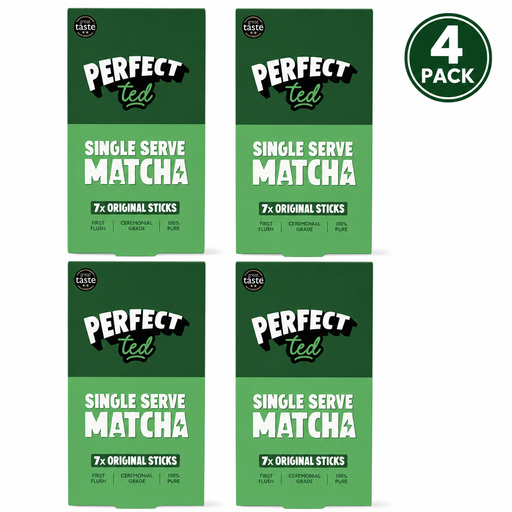
Why This Fits Their Persona: Seven pre-portioned sachets are useful for first-time buyers, office drawers or occasional drinks without opening a large pouch.
The 100% ceremonial grade matcha ingredient list avoids confusion with a sweetened latte mix.
7 x 1.5g sachets; no listed allergens; made in the United Kingdom.
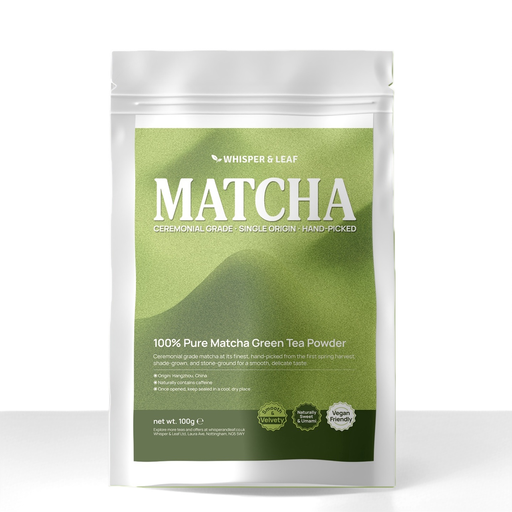
Why This Fits Their Persona: A larger bag suits regular tea drinkers who want a refined drink for traditional preparation or lattes.
The listing provides specific details including 1200-mesh fineness, single-origin Yabukita and shade-grown leaves.
100% ceremonial grade matcha; 100g format; described as suitable for traditional drinks and lattes.
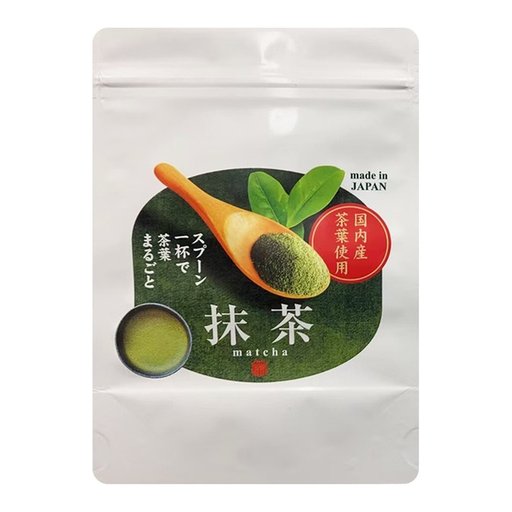
Why This Fits Their Persona: Its compact size and stated drinking and culinary uses suit shoppers making matcha drinks, desserts or savoury recipes.
The instructions specify around 0.8g with 100ml of 70–80°C water, giving a clear starting point.
40g pack; Japanese tea leaves; free from the 14 major allergens according to the listing.
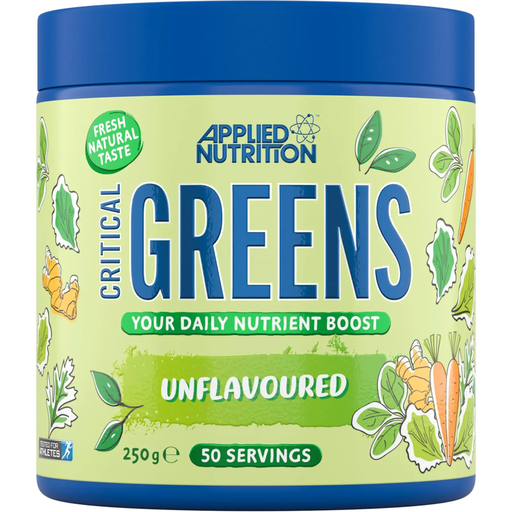
Why This Fits Their Persona: This is for shoppers seeking a vegan greens powder to mix into water, juice or smoothies rather than a traditional tea.
The product is clearly presented as a greens supplement, not as pure matcha, and provides a defined 5g serving.
250g format; unflavoured; includes pea protein, spirulina, grass powders and vegetable powders.
We have compiled a complete, real-time list of products that fully satisfy these strict selection criteria and UK safety regulations.
For a traditional drink, sift roughly 0.8–1g into a bowl or cup. Add a small amount of water at around 70–80°C, whisk until smooth, then add more water or milk. A handheld frother can work for lattes, although a bamboo whisk may create a lighter foam.
Store opened matcha in a tightly sealed container in a cool, dry place away from sunlight and strong odours. Follow the package instructions, particularly where refrigeration is recommended.
Yes. Pure matcha can be whisked with water before adding milk, or blended into smoothies and recipes. Sweetened matcha latte powder is more convenient but may contain sugar, milk or creamer, so check the label first.
Shelf life depends on the product and storage conditions. Use the best-before information on the packaging and reseal the pack promptly after each use. Colour, aroma and flavour may change after prolonged exposure to air, heat or light.
No. Matcha is powdered green tea, while a greens supplement may contain grasses, vegetables, algae, extracts, vitamins and other ingredients. Read dosage instructions and warnings carefully, especially if the product contains green tea extract or if you take medication.