
24/7 Customer Support

Free returns

Same-day & Next-day Delivery

Quality Guaranteed

Unlock Your Welcome Offers: FREE Delivery | Up to 80% OFF | Free 30-day JoyPlus trial
Download the APP
Buying matcha powder in the UK can be more complicated than expected. Packaging may use terms such as ceremonial grade, premium matcha or Japanese matcha powder, but these labels do not always tell you how the product will taste, where it was made or how suitable it is for your preferred recipe.
Whether you want traditional tea, matcha for lattes, smoothies or baking, a few practical checks can help you avoid paying for features you will not use.
“Ceremonial grade” is widely used in online listings, but it is not a single, legally defined UK grading standard. It may describe the intended use or the producer’s quality classification rather than a regulated category.
Check the country of origin separately. Some products are made in the UK using matcha, while others are sourced and produced in Japan. Neither option is automatically right for every buyer, but the distinction matters if you specifically want Japanese provenance.
A matcha tea powder should ideally list matcha or green tea as its only ingredient if you want to control sweetness and use it in different recipes. Sweet matcha powder can be convenient for quick drinks, but it may contain a high proportion of sugar and behave differently in baking or traditional preparation.
Always read the ingredient list rather than relying on the colour or wording on the front of the pack.
Matcha is a finely milled powder, so it benefits from careful storage. Heat, light, moisture and strong odours can affect its flavour and aroma after opening. A large multipack may offer convenience, but it is only worthwhile if you will use it within a reasonable period.
Look for a resealable bag, tightly closing tin or individual sachets. Store opened matcha in a cool, dry place and follow the label’s specific instructions.
For Japanese matcha powder, check whether the pack states a Japanese country of origin and, where available, a region such as Shizuoka. A named origin can make comparison easier, although it does not guarantee that you will prefer the flavour.
For a pure product, look for an ingredient list such as 100% matcha or 100% green tea. Blends containing coconut sugar, flavourings or milk ingredients may be more approachable in a latte but are not interchangeable with unsweetened powder.
Traditional whisked matcha usually benefits from a fine texture and a balanced flavour that is pleasant with hot water alone. For matcha for lattes, smoothies or baking, a stronger or more robust profile may work better because milk, fruit and other ingredients can soften the tea flavour.
If you prefer a ready-to-mix option, vanilla matcha powder or a sweetened blend can reduce preparation time. However, check the sugar content and serving guidance before treating it as a direct replacement for pure matcha.
A 30g tin or bag is a practical size for occasional drinkers and first-time buyers. A 40g or 80g pack may suit regular home use or baking. Matcha sachets are useful for office drawers, travel and portion control, with each serving already measured.
Preparation instructions also matter. Some products suggest approximately 70–80°C water, while others provide different serving quantities. Boiling water can create a harsher taste, so a kettle with a temperature setting or a short cooling period may be useful.
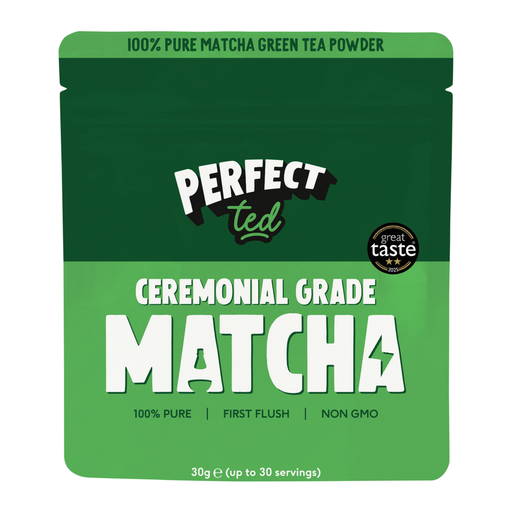
Why This Fits Their Persona: The 30g format gives newcomers a manageable quantity for trying traditional tea, lattes or simple recipes at home.
The listing identifies the ingredient as Ceremonial Grade Matcha (100%), with no allergens listed. Its origin is stated as the United Kingdom, avoiding confusion about Japanese provenance.
Pure single-ingredient format; compact 30g quantity for occasional or introductory use.
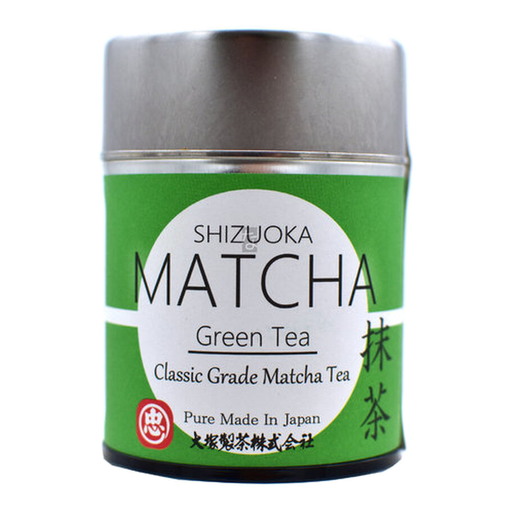
Why This Fits Their Persona: Suited to shoppers seeking Japanese origin, a named tea-growing region and a format designed for traditional preparation.
The product information specifies Shizuoka, Japan, shade-grown tencha leaves and 100% pure matcha, rather than relying only on a grade label.
Japanese Shizuoka origin; supplied in a 30g can with guidance for 70–80°C water and whisking.

Why This Fits Their Persona: Single-serve portions suit office kitchens, commuting, travel and quick preparation during a working day.
Each sachet contains 1.5g, so there is no need to estimate a serving with a teaspoon. The seven-sachet pack also limits repeated exposure of a larger pouch to air.
100% ceremonial grade matcha; portable 7 x 1.5g format for portioned use.
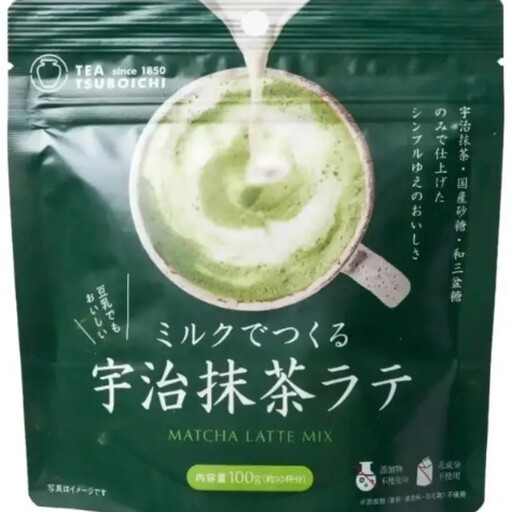
Why This Fits Their Persona: A practical option for shoppers who want a sweet matcha powder for drinks, cakes, biscuits and desserts without adding sugar separately.
The ingredient list clearly states beet sugar, matcha and Wasanbon sugar. This makes its sweetened formulation clear before purchase.
80g pack; suitable for direct mixing, baking and desserts; no cooking required for beverages.
We have compiled a complete, real-time list of products that fully satisfy these strict selection criteria and UK safety regulations.
It can be suitable if you plan to drink matcha with water and prefer a finer, more balanced tea profile. For baking or strongly flavoured lattes, a culinary-oriented product may be more economical. Check the ingredient list, origin and pack size rather than relying on the grade wording alone.
There is no single lifespan for every product. Follow the stated best-before date and storage instructions, then seal the pack promptly after each use. Smaller tins and sachets can help occasional drinkers avoid keeping an opened pouch for too long.
Yes. Pure matcha can be whisked with a small amount of warm water before adding milk, or blended into smoothies and recipes. Sweetened products such as vanilla matcha powder or Tsuboichi’s sugar blend may be convenient for desserts, but adjust the recipe because they already contain sweetening ingredients.