
24/7 Customer Support

Free returns

Same-day & Next-day Delivery

Quality Guaranteed

Unlock Your Welcome Offers: FREE Delivery | Up to 80% OFF | Free 30-day JoyPlus trial
Download the APP
Matcha powder can be an enjoyable addition to a UK kitchen, whether you want traditional Japanese tea, a creamy latte, a smoothie ingredient or a convenient drink for busy mornings. However, attractive packaging and phrases such as “ceremonial grade”, “premium matcha tea” and “natural energy” do not always tell you what you need to know before buying.
The practical choice depends on the ingredients, serving format and intended use. A small tin of pure Japanese matcha may suit whisking, while a sweetened matcha latte powder could be more convenient for quick preparation. Use the points below to avoid paying for features that do not match your routine.
“Ceremonial grade matcha” is widely used by sellers, but grading terminology is not a single UK-wide legal quality standard. Check the ingredient list, origin information, net weight and preparation instructions rather than relying on the front label alone.
A product made with 100% matcha will usually offer more flexibility for traditional tea, baking and smoothies. A flavoured matcha powder may also contain coconut sugar, coconut milk or natural flavouring, which changes its taste and nutritional profile.
Loose powder gives you control over serving size, but it may require a whisk, sieve and careful storage. Instant matcha sachets are easier for work, travel or portion control, although they may contain additional ingredients if they are a latte or drink mix.
Matcha tea bags are a different product category: they generally contain tea leaves or a blend rather than finely powdered matcha suspended throughout the drink. If you specifically want the texture and preparation style of matcha green tea, check that the product is labelled as powder.
A strawberry or blueberry matcha blend can be convenient and approachable, but it may contain added sugar. For example, the supplied nutritional information for PerfectTed Strawberry Matcha lists coconut sugar and coconut milk among its ingredients. Instant latte mixes may contain milk powder, sweeteners or vegetable creamer.
Always review the ingredients and allergen declaration, particularly if you follow a vegan diet, avoid dairy or need to manage sugar intake. Product formulations can change, so the packaging remains the relevant source at the point of purchase.
For traditional preparation, look for a short ingredient list, ideally 100% matcha powder. Yamasekien-Seicha Matcha Powder 40g lists green tea as its ingredient and provides a suggested preparation of approximately 0.8g with 100ml of water at around 70–80°C.
For fast preparation, a matcha latte powder or matcha drink mix can be more practical. Nestlé Fuwa Matcha Latte comes in 20 individual sticks and is prepared with approximately 120ml of hot water at around 80°C. It contains milk ingredients and sweeteners, so it is not equivalent to plain Japanese matcha powder.
Japanese matcha powder may provide useful origin information, such as domestically grown Japanese tea leaves or a named cultivar. Fine milling can help the powder disperse when whisked, but it does not remove the need to sift or mix thoroughly.
Matcha is sensitive to light, moisture and strong odours. Follow the product’s storage guidance. Several products specify a cool, dry place, while some organic matcha products advise refrigeration after opening. Resealing the container promptly can help preserve the intended flavour.
A 30g tin may suit occasional traditional preparation, while a 75g or 100g bag may be more suitable for regular lattes, smoothies and baking. Sachets reduce measuring and are useful when you want a predictable portion.
Before ordering, compare the net quantity, suggested serving size and number of servings rather than comparing pack prices alone. A smaller pure powder can have a different cost per drink from a larger sweetened blend.

Why This Fits Their Persona: Single-serve sachets offer a straightforward introduction for shoppers who want to try matcha without buying a larger container or measuring loose powder.
The listing identifies 100% ceremonial grade matcha and 7 x 1.5g sachets, making the format and ingredients clear.
100% matcha ingredient list; individually portioned 1.5g sachets; suitable for home or on-the-go use.
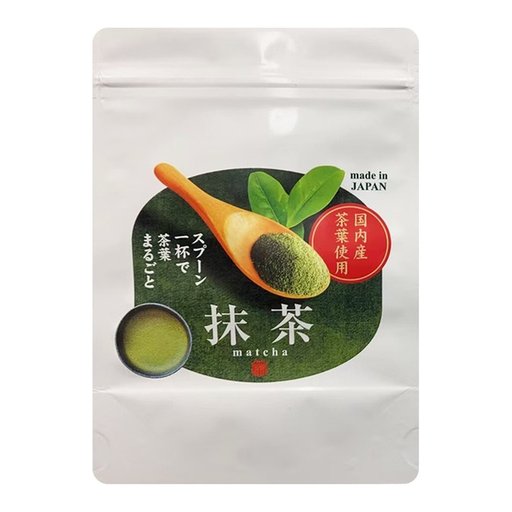
Why This Fits Their Persona: Tea enthusiasts seeking Japanese matcha powder for traditional preparation may appreciate its stated Japanese origin and recommended water temperature.
The product description gives a suggested 70–80°C water temperature, helping avoid the bitterness associated with boiling water.
Made from Japanese tea leaves; suitable for drinking and recipes; listed as free from the 14 major allergens.
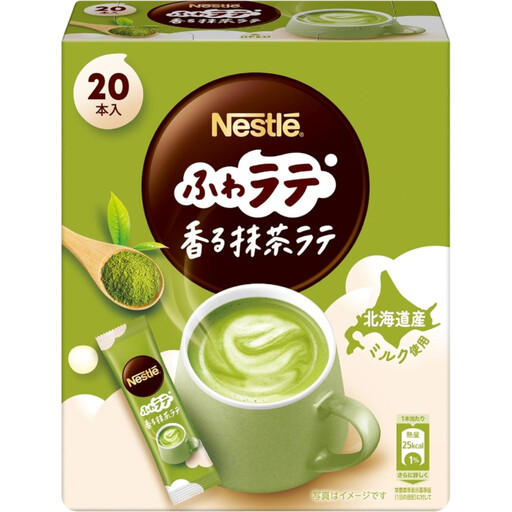
Why This Fits Their Persona: Busy professionals and regular latte drinkers can prepare a portioned drink with hot water, or adapt it for an iced serving.
The 20-stick format makes the serving count visible, while the ingredient and allergen information identifies milk, sweeteners and aspartame.
20 individual 4.8g sticks; hot or cold preparation options; includes Uji matcha and milk ingredients.
For loose Japanese matcha powder, place the recommended quantity in a cup or bowl and sift it if the powder is prone to clumping. Add warm water rather than freshly boiled water, then whisk until dispersed. A handheld frother can be useful for lattes, while a shaker works for smoothies.
For a matcha latte powder or instant matcha sachet, follow the serving instructions on the packaging. Check whether the mix is intended for water, milk or both. Flavoured matcha powder can also be stirred into yoghurt, porridge or baking mixtures, but remember that added sugar affects the recipe’s overall sweetness.
We have compiled a complete, real-time list of products that fully satisfy these strict selection criteria and UK safety regulations.
Use the best-before guidance on the packaging and keep the container tightly sealed. Store it away from heat, moisture, sunlight and strong-smelling foods. If the label recommends refrigeration after opening, follow that instruction and allow the powder to reach a suitable temperature before preparing it.
Yes, it can be used in lattes, smoothies and recipes, but a pure ceremonial grade product may be more costly than a blend designed specifically for cooking. For baking or frequent lattes, compare the ingredient list, pack size and cost per serving before choosing.
That depends on the product and your personal dietary needs. Matcha naturally contains caffeine, while some latte mixes also contain milk, sugar or sweeteners. Read the label, follow the recommended serving size and choose a format that fits your normal tea and coffee routine.