Who each format suits
The useful starting point is the drink or recipe you plan to make, not the grade printed on the front of the pack.
First-time home matcha drinkers
If you want to find out how plain matcha tastes with water or milk, look for an ingredients list stating 100% matcha. A small loose-powder pack lets you measure your own portions; pure sticks offer portions measured for you. Check the ingredients carefully, as flavoured sticks can contain other ingredients.
Regular latte makers
If hot or iced milk drinks are the plan, check whether the exact powder has directions for that preparation. A latte-oriented powder and an instant latte mix are different purchases: some mixes already contain sugar and milk powder.
Shoppers keeping track of caffeine
Include matcha when counting caffeine from drinks and other sources. Clearspring estimates approximately 32mg of caffeine in 1g of its dry matcha powder; that figure should not be assumed for every product. During pregnancy, NHS guidance sets a limit of 200mg of caffeine a day from all sources.
What to check before buying
Choose the preparation you expect to use most, then check the exact product’s ingredients, portion directions and storage instructions.
| Priority |
What to check |
Your needs |
| Ingredients |
Read the full list for 100% matcha, or for added sugar, milk ingredients and flavourings. Check the current pack if an ingredient matters to you. |
I want to try plain matcha, so I need to distinguish it from a flavoured or sweetened mix. Waitrose lists 100% matcha in PerfectTed’s pure sticks, but coconut sugar and flavourings in its flavoured variety sticks. |
| Pack format |
Compare the pack quantity and whether portions are loose or individually packed. Check how much measuring or preparation each format requires. |
For a first trial, ready-measured sticks may fit my routine. If I expect to use matcha in several drinks or recipes, I would rather measure loose powder myself. |
| Intended use |
Check whether the exact product gives directions for a drink with water, a milk drink or cooking. Treat grade names as product descriptions, not complete preparation instructions. |
I mainly make lattes, so directions for adding milk matter to me. Clearspring describes its Premium Grade powder as suitable for drinking and home baking, while JING Tea gives separate directions for its ceremonial and latte powders. |
| Serving and caffeine |
Follow the product’s portion guidance and account for caffeine from other sources. Do not apply one brand’s caffeine estimate to a different powder. |
I keep track of caffeine across the day, including matcha. During pregnancy, NHS guidance limits total caffeine to 200mg a day. |
| Storage |
Read the pack’s instructions for keeping the powder after opening, particularly if you expect to use it only occasionally. |
I may make matcha infrequently, so I want a pack size and storage routine I can manage. |
Brand references for different matcha formats
These product-line examples illustrate what to compare on a label; a brand name alone does not identify the ingredients or preparation of every product it makes.
Clearspring
Clearspring offers matcha powders described for different uses, including its 40g Organic Japanese Premium Grade powder.
- Clearspring lists the Premium Grade powder as 100% organic matcha, gives a 1g preparation suggestion and describes it for drinking and home baking.
- The word “premium” does not replace checking whether that exact product’s ingredients and directions suit your intended drink or recipe.
JING Tea
JING Tea distinguishes a 30g ceremonial matcha for preparation with water from a 100g powder it positions for lattes.
- JING Tea specifies 1.5g with water at 70°C for its ceremonial powder and 2g with water before finishing a drink for its latte powder.
- Those are directions for two separate products, not interchangeable serving instructions or a guarantee about which flavour you will prefer.
PerfectTed
PerfectTed’s grocery-listed sticks illustrate the difference between individually portioned plain matcha and flavoured variants.
- Waitrose lists the seven-stick plain pack as 100% matcha, with 1.5g in each stick and serving guidance of 1g to 2g.
- Waitrose’s flavoured variety sticks list additional ingredients, including coconut sugar and natural flavourings; check the particular variant.
Matcha options on Joybuy
These options cover portioned matcha, loose powder in different pack sizes and an instant latte mix. Choose between them by the drink you intend to make and the ingredients you want, rather than treating the formats as equivalent.
 Image unavailable
Perfectted Matcha Powder Sachets, 7 x 1.5g
Individually portioned sachets suit a trial when you would rather not measure loose powder. The pack contains seven 1.5g sachets; check the current ingredients and preparation directions for this exact product.
View on Joybuy
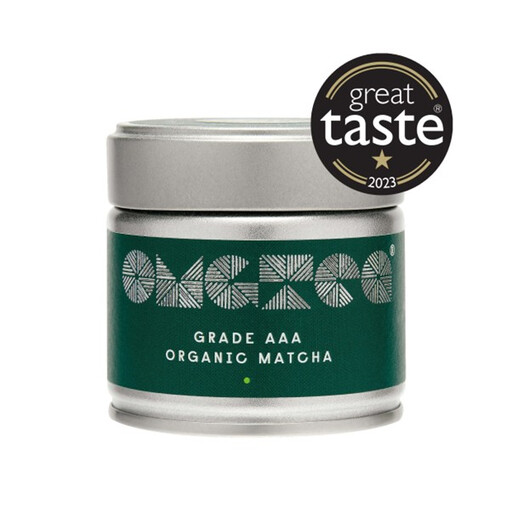 Image unavailable
OMGTea AAA Organic Matcha Green Tea, 30g
This 30g loose-powder format lets you measure portions for the drinks or food you plan to make. Check the pack for its ingredients, preparation amount and storage directions; the AAA label alone does not settle how to use it.
View on Joybuy
 Image unavailable
OMGTea Organic Matcha AAA+, 30g
Another 30g loose-powder option for making matcha at home. Its product guidance calls for sifting before whisking and keeping the airtight tin refrigerated after opening, so consider whether those steps fit your routine.
View on Joybuy
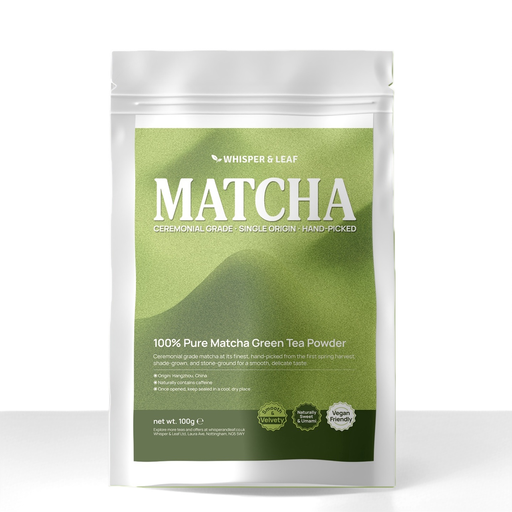 Image unavailable
Whisper and Leaf Ceremonial Grade Matcha Powder, 100g Bag
The 100g bag is a larger loose-powder choice than the 30g options here. Consider it if you expect to use matcha regularly, and check the exact pack’s ingredients, serving directions and storage instructions before choosing it for a first shop.
View on Joybuy
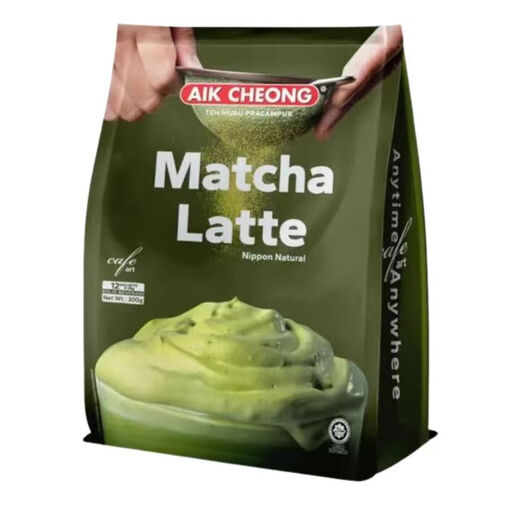 Image unavailable
Aik Cheong Instant Matcha Latte Mix, 25g x 12 Sachets
Choose this format if you want a portioned instant latte mix rather than plain matcha powder. The mix contains matcha, milk powder and sugar; check the current pack for its full ingredients and allergen information, including the stated possibility of soy traces.
View on Joybuy
Matcha buying questions
Should my first matcha be plain powder or a flavoured mix?
Choose 100% matcha powder if you want to decide for yourself what to add to water, milk drinks or recipes. Choose a flavoured mix if you specifically want its listed ingredients and flavour: Waitrose lists coconut sugar and natural flavourings in flavoured PerfectTed sticks, whereas its plain sticks list 100% matcha.
How much matcha should I use for a drink?
Start with the directions for the exact product. Clearspring suggests 1g of its Premium Grade powder with 30ml of hot water; JING Tea specifies 1.5g with water at 70°C for its ceremonial matcha and 2g with water before finishing a drink for its latte powder. These are product-specific instructions, not one rule for every matcha.
Does matcha count towards my caffeine intake?
Yes, matcha contains caffeine. Clearspring estimates approximately 32mg in 1g of its dry powder, but do not assume that amount applies to another product. NHS pregnancy guidance limits total caffeine to 200mg a day, counting sources such as tea, coffee, cola, chocolate, energy drinks and some supplements alongside matcha.
How do I check ingredients and allergens in a matcha mix?
Read the current label for the exact variant you are buying, particularly if it is flavoured or instant. A product called matcha may be plain powder or a mix with other ingredients; for example, the Aik Cheong instant latte mix contains milk powder and sugar, unlike a 100% matcha product.
Can a matcha drink I like in a café tell me which powder to buy?
Not on its own. A prepared drink may also contain milk, syrup or other ingredients, so match the retail powder’s ingredients and directions to what you want to make at home. M&S Food describes matcha powder as an ingredient used across drinks and food, not as a single finished drink recipe.


