Fans of a brewed cup
If you usually make tea by steeping a bag, a matcha-sencha or matcha-genmaicha blend keeps that familiar routine. Clearspring lists both as tea sachets containing green tea leaves and a smaller proportion of matcha.


Choose a pure matcha powder if you want to whisk a small drink in which the tea is the focus; consider a powder intended for milk drinks or baking if you also want to use it beyond that cup. For a familiar brewed tea with biscuits and less preparation, choose a matcha-sencha or matcha-genmaicha bag, checking its ingredients: it is a green-tea blend, not whisked pure matcha.
Start with the drink you want beside your biscuits: a brewed mug, a small whisked matcha or a powder you can also use with milk or in baking.
If you usually make tea by steeping a bag, a matcha-sencha or matcha-genmaicha blend keeps that familiar routine. Clearspring lists both as tea sachets containing green tea leaves and a smaller proportion of matcha.
If the matcha itself is the focus, look at powders intended for whisking with water. Clearspring describes its ceremonial powder as slightly sweet and smooth; that is the brand’s flavour description, not a guarantee of how it will taste to you.
If one powder needs to work in more than a plain drink, check its stated uses. Clearspring positions its premium powder for drinking and home baking, while the Waitrose listing for PerfectTed includes a milk-latte preparation method.
Decide how you will prepare the drink, then compare ingredients and serving directions. Grade names alone do not tell you whether a product is a powder for whisking or a blend for brewing.
Choose it when: You want a small drink with matcha at the centre of the biscuit break.
Consider: Powder takes measuring and whisking or shaking; follow the particular product’s directions.
Choose it when: You want a powder with stated uses beyond plain whisked matcha, such as a latte or baking.
Consider: Check milk, syrups and other recipe ingredients separately if their composition matters to you.
Choose it when: You would rather steep a tea bag for a conventional cup alongside biscuits.
Consider: A sencha or genmaicha bag containing matcha does not make the same drink as whisked matcha powder.
| Priority | What to check | Your needs |
|---|---|---|
| Preparation | Check whether the product is a powder to whisk or shake, or a tea bag to steep. For powder, use the product’s serving and water-temperature directions; JING Tea specifies 1.5g per 160ml at 70°C for its ceremonial matcha. | I want to know whether I have time to prepare a small whisked drink or would rather make a brewed mug while I put out the biscuits. |
| Ingredients | Read the ingredient list rather than relying on “matcha” in the name. Clearspring lists 97.5% sencha and 2.5% matcha in its Matcha Sencha sachets; its Matcha Genmaicha also contains roasted brown rice and 2.5% matcha. | If I want pure matcha powder, a green-tea bag with matcha added is a different choice. If I want brewed tea, the blend may be exactly the format I had in mind. |
| Serving style | Check the powder’s stated uses. Clearspring positions its premium powder for drinking and baking; the Waitrose listing describes PerfectTed powder as 100% matcha and includes latte directions. | For a drink made with milk, or a powder I can also use in baking, I want the serving instructions to match what I plan to make. |
| Caffeine and labels | Check caffeine against the stated serving size, and read the current pack for ingredients and allergens. The Waitrose listing declares 68mg caffeine per 2g serving for PerfectTed; NHS guidance sets a 200mg daily caffeine limit during pregnancy. | I may need to account for caffeine from this cup and other drinks, or check the packet closely for an allergy or intolerance. |
Clearspring’s Matcha Sencha and Matcha Genmaicha sachets each contain 2.5% matcha. They are brewed blends, whereas pure matcha powder is prepared as a powder drink.
Choose by format first, then read the ingredient list to see what supplies most of the cup.
A grade label does not explain whether the powder’s stated uses fit plain drinking, milk drinks or baking. Clearspring positions its ceremonial and premium powders differently.
Check the intended serving method and preparation directions before comparing grade descriptions.
Caffeine figures need a product and serving size to be useful: Waitrose declares 68mg per 2g serving for PerfectTed powder. NHS guidance sets a 200mg daily caffeine limit during pregnancy.
If caffeine intake matters to you, check the packet for your chosen serving and account for caffeine from other drinks that day.
Waitrose advises that product information can change, which matters when an ingredient or allergen affects what you can use.
Check the current physical packet before consuming a product if you have an allergy, intolerance or strict dietary requirement.
These examples show how matcha is described across powders and tea-bag blends; a brand name alone does not identify the format or ingredients of a particular product.
Clearspring lists ceremonial and premium matcha powders alongside Matcha Sencha and Matcha Genmaicha tea sachets.
JING Tea presents its ceremonial matcha as a powder for preparation with water and publishes a serving method.
The PerfectTed powder listed by Waitrose is declared as 100% ceremonial matcha, with directions that include a milk latte.
Waitrose lists Pukka Organic Supreme Matcha Green as a tea-bag blend rather than a pure matcha powder.
These options include matcha powders for a whisked cup or other stated uses, plus sencha and genmaicha tea bags for a brewed drink with biscuits. Compare each product’s own label and directions before choosing.
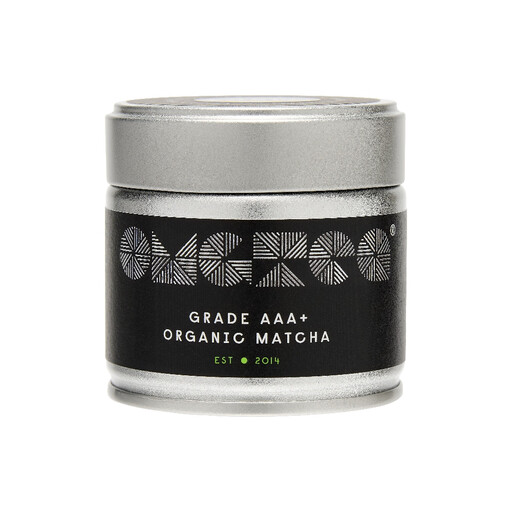 No image available
A 30g matcha powder option if you want to prepare a whisked cup alongside biscuits. Check the tin’s sifting and storage directions before use; the product information calls for refrigeration in an airtight tin after opening.
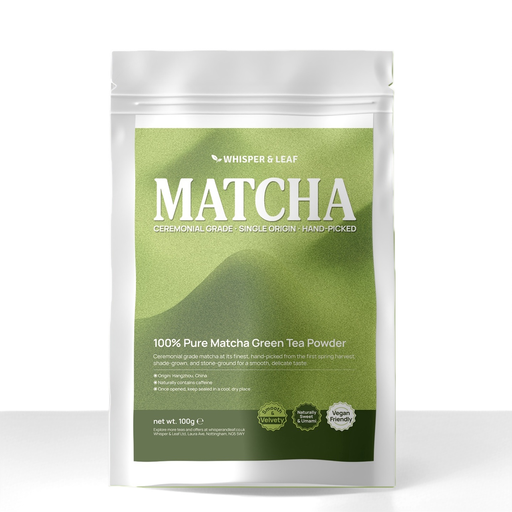 No image available
A powder to consider if you want the option of traditional preparation or a latte; both uses are described for this product. The bag is 100g. Check the pack’s serving and caffeine information if either affects your choice.
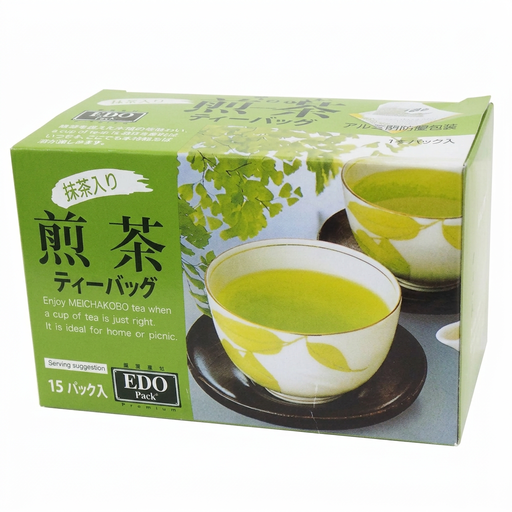 No image available
Sencha tea bags suit a brewed cup rather than a whisked powder drink. This is a 30g matcha-containing blend; check the packet for its ingredient proportions, steeping directions and caffeine information.
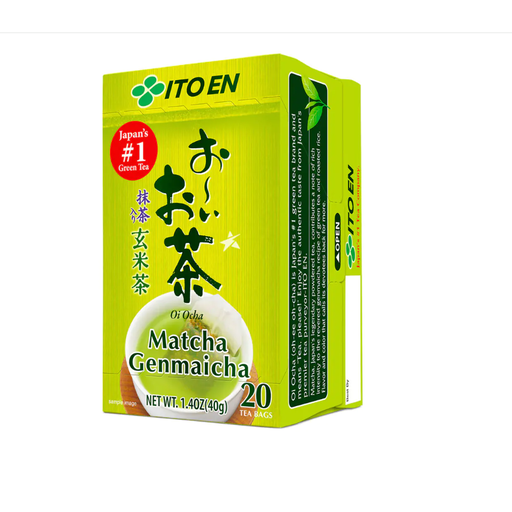 No image available
A genmaicha tea-bag option for a conventional brewed break, rather than a cup of whisked matcha. The pack contains 20 bags and weighs 40g; check its label for ingredients, brewing directions and caffeine information.
 No image available
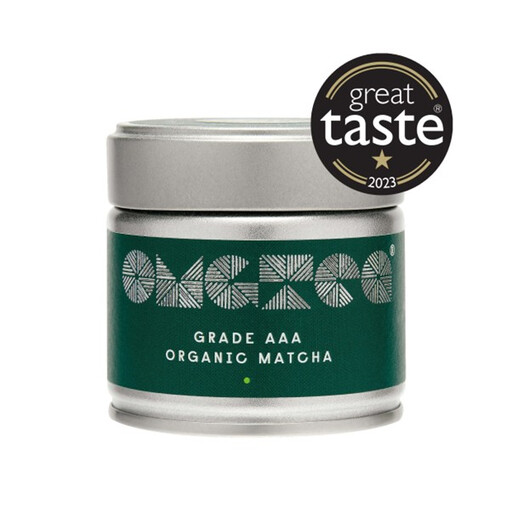
A 30g matcha powder to consider if you want to use matcha in drinks or cooking. Product descriptions use different grade terms, so check the current pack before choosing it on grade; check its directions and caffeine information for your intended serving too.
No. Clearspring lists its Matcha Sencha sachets as 97.5% sencha and 2.5% matcha, while its Matcha Genmaicha sachets contain sencha, roasted brown rice and 2.5% matcha. They are brewed blends; a pure matcha powder is prepared as a powder drink.
JING Tea advises sifting the powder, adding a little water and whisking it into a smooth paste before adding the rest. Follow your chosen powder’s own quantities and temperature directions; a shaker is another preparation option if its instructions allow it.
Choose a powder with directions for milk drinks if a latte is what you plan to serve. The Waitrose listing includes a latte method for PerfectTed powder, while Clearspring positions its premium powder for drinking and baking. Check any milk or syrup separately if its ingredients matter to you.
Check caffeine per stated serving and include other caffeine consumed that day: NHS guidance sets a limit of 200mg caffeine a day during pregnancy. As one product-specific example, Waitrose declares 68mg per 2g serving for PerfectTed matcha powder. Use the current packet for the product and serving you choose.
Check the physical packet before consuming the product. Waitrose advises that recipes and product information can change, so an online listing should not replace the current label when an allergy, intolerance or strict dietary requirement affects your choice.